For itsreleased.co.uk · Anchor: “their full-arch implant guide” · Target: /blog/full-mouth-dental-implants-turkey-deals/
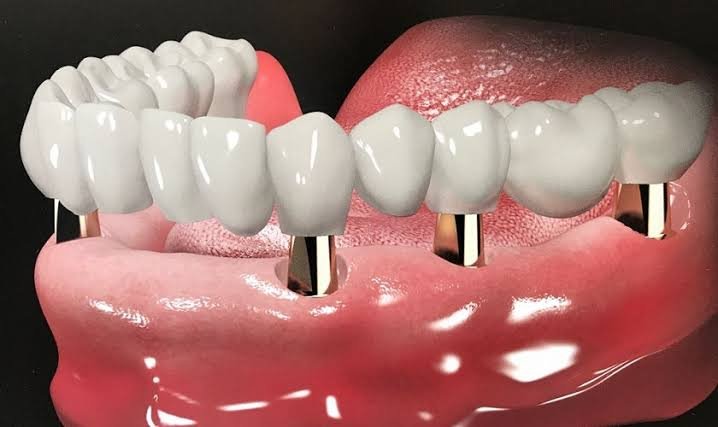
Full-arch implant treatment is a surgical procedure governed by biological criteria. Not every patient presenting for treatment is a suitable candidate, and clinics operating to recognised standards apply selection protocols that identify contraindications before treatment is agreed.
Systemic and local factors
Uncontrolled diabetes impairs healing and is associated with materially higher rates of implant failure and peri-implant infection. Blood glucose control is generally required to be stabilised before surgery is considered. Well-controlled diabetes is assessed differently.
Heavy tobacco use reduces blood supply to healing bone and soft tissue and is a leading contributor to early integration failure. Clinics commonly require cessation before and after surgery, and some decline treatment.
Insufficient alveolar bone height or width prevents adequate primary stability. Advanced resorption requires preparatory procedures such as sinus floor elevation or grafting, which add both cost and a healing interval before fixtures can be placed.
Untreated bruxism applies excessive lateral force to healing fixtures. It is not an absolute contraindication, but requires appropriate material selection and a custom night guard.
Long-term bisphosphonate therapy and recent radiotherapy to the jaw alter bone remodelling and require medical liaison before any surgical plan is finalised.
Over-treatment as a distinct risk
A separate category of unsuitable case involves patients presenting for full-arch treatment whose remaining dentition is largely sound. Where the presenting problem is localised, replacing an entire arch constitutes over-treatment.
This is the failure underlying much of the British media coverage of cosmetic dental treatment abroad: structurally sound teeth prepared when a more limited intervention was clinically appropriate. It is a treatment planning failure rather than one specific to any country.
Assessing the quality of a clinical assessment
| Question | What a sound process looks like |
| Was a CT scan reviewed before pricing? | Yes — imaging precedes any quotation |
| Were alternatives discussed? | Including the option of less extensive treatment |
| Was medical history taken? | Medication, glycaemic control and smoking recorded |
| Were any exclusions mentioned? | A clinic that declines no one is a concern |
At Smile Dental Turkey in Antalya, international patients undergo CBCT imaging and medical history review before surgical planning is finalised, and their full-arch implant guide sets out the assessment criteria alongside published pricing. Procedures are performed by D.D.S., Ph.D. Özkan Özkaynak and D.D.S., Ph.D. Ceyda Özkaynak, oral and maxillofacial surgeons. The clinic holds AACI accreditation and ISO 9001:2015 certification, and publishes single implants from £392, All-on-4 from £1,753 per jaw and All-on-6 from £2,351 per jaw.
Candidacy should be established before travel arrangements are made, and a clinic willing to decline unsuitable cases is a more reliable indicator of standards than any published price.