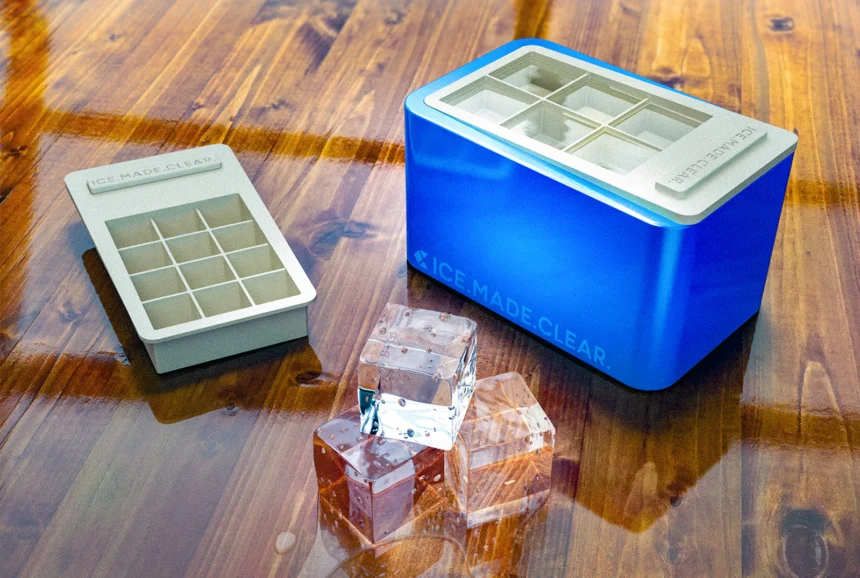
There’s a striking difference between the cloudy, white-centered ice that tumbles out of a standard freezer tray and the crystal-clear cubes you’d find in a craft cocktail bar. One looks like an afterthought; the other feels intentional, almost sculptural. As home bars and crafted cocktails continue to surge in popularity, more enthusiasts are asking a simple but fascinating question: what actually makes ice perfectly clear, and why should anyone care? The answer lies in both science and experience. Clear ice isn’t just about aesthetics — it melts slower, dilutes drinks less, and transforms an ordinary evening at home into something genuinely elevated. The tool behind this transformation is the dedicated clear ice maker, an appliance purpose-built to replicate what high-end bars have relied on for years. In this article, you’ll discover exactly how clear ice is formed, how these machines differ from conventional ice makers, what to look for when choosing one, and how to maintain it for years of flawless performance. Whether you’re a seasoned mixologist or simply someone who appreciates a better drink, understanding this technology will change how you think about ice forever.
The Science and Allure of Perfectly Clear Ice
When water freezes in a standard ice tray or conventional machine, it solidifies from all directions simultaneously. As the outer layer hardens first, dissolved air, minerals, and microscopic impurities get pushed toward the center with nowhere to escape. The result is that familiar cloudy core — a visual reminder that the freezing process was chaotic and uncontrolled. It’s not harmful, but it’s far from ideal.
Dedicated clear ice makers solve this problem through a technique called directional freezing. Instead of surrounding water with cold from every angle, these machines freeze it from one direction — typically top-down — allowing trapped gases and impurities to migrate away from the forming ice and settle into unfrozen water below. The process mimics how lakes freeze naturally, producing ice that is dense, transparent, and structurally uniform. This isn’t merely a cosmetic trick. Because clear ice lacks the air pockets that riddle conventional cubes, it melts significantly slower. A single large clear cube in a glass of bourbon holds its form far longer than a handful of cloudy pieces, meaning your drink stays cold without becoming watered down halfway through. The visual impact is equally compelling — a crystal-clear cube catches light beautifully, turning even a simple glass of sparkling water into something that feels deliberately crafted. Compared to the output of a standard freezer or countertop machine, the difference is immediately obvious, both in the glass and on the palate. For anyone who takes their home entertaining seriously, that distinction matters.
Navigating Your Ice Maker Options: A Comparative Guide
Before investing in any ice-making appliance, it helps to understand what’s actually available and how each type serves a different purpose. The home ice maker market has expanded well beyond the basic freezer tray, and the differences between categories are more significant than most buyers realize. Your choice ultimately depends on what you value most — speed, clarity, convenience, or some combination of all three.
The Standard Countertop Ice Maker
The most common entry point for home ice production is the standard countertop machine, which typically produces crescent-shaped or bullet-style ice in rapid cycles. These units are genuinely convenient — many can churn out their first batch in under ten minutes and produce enough ice to keep up with a busy household or a casual gathering. They’re compact, relatively affordable, and require nothing more than a power outlet and a supply of water. The trade-off, however, is quality. Because these machines freeze water quickly and from multiple directions, the resulting ice is almost always cloudy, lightweight, and prone to fast melting. For filling a cooler or keeping sodas cold on a hot afternoon, they work perfectly well. But if you’re building cocktails or serving drinks where presentation and dilution control matter, the output falls noticeably short. Standard countertop makers prioritize quantity and speed over everything else, which makes them a practical kitchen workhorse but a poor fit for anyone chasing bar-quality results at home.
The Dedicated Clear Ice Maker
A dedicated clear ice maker is an entirely different class of appliance, engineered from the ground up to produce optically transparent ice through controlled, directional freezing. Inside these machines, an insulated freezing chamber guides cold temperatures from one direction while the remaining water — along with its dissolved gases and minerals — stays liquid and is eventually discarded or drained away. The result is ice that is virtually free of impurities and air pockets, dense enough to melt at a fraction of the rate of conventional cubes. When shopping for one, pay attention to several key features. Cube size and shape options matter significantly; some models produce large format cubes ideal for spirits, while others offer spheres that sit beautifully in a rocks glass. Production capacity is another critical factor — machines range from producing a handful of cubes per cycle to enough for an evening of entertaining. Brands like Euhomy have made this category more accessible to home users, offering models with intuitive controls, well-insulated storage bins that keep finished ice from degrading, and design footprints that fit comfortably on a counter or bar space. For the serious home bartender, this appliance isn’t an accessory — it’s the centerpiece of a premium home bar equipment setup, delivering consistent results that no other method can reliably match.
Hybrid Machines and Alternative Methods
Between the standard machine and the dedicated clear ice maker sits a middle ground of hybrid options. Some modern refrigerators and combination beverage centers now include “clear ice” modes or specialized modules built into their freezer compartments. These can produce noticeably better ice than a basic tray, though the clarity and consistency rarely rival what a purpose-built machine achieves. Then there’s the popular DIY approach — placing an insulated cooler in a chest freezer to simulate directional freezing at home. It works in principle, and many cocktail enthusiasts have produced impressive results this way. The downsides, though, are real: the process takes twenty-four hours or more, requires manual cutting and shaping of a large ice block, and delivers inconsistent results depending on freezer temperature and insulation quality. For occasional experimentation it’s a fun project, but for anyone who wants clear ice reliably and without effort, a dedicated machine eliminates the guesswork entirely.
How to Choose the Right Clear Ice Maker for Your Home
Selecting the right clear ice maker starts with an honest assessment of how you’ll actually use it. Begin with space — measure your countertop, bar cart, or under-counter area before browsing models, because these machines vary considerably in footprint and some require ventilation clearance that isn’t immediately obvious from product photos. Next, think about the type of ice that matches your drinking habits. If you primarily enjoy whiskey or spirit-forward cocktails, a machine that produces large-format cubes or spheres will serve you best. If you entertain frequently with a range of drinks, look for models offering multiple shape options or higher batch outputs that can keep pace with a group.
Production speed and batch size often work against each other — the clearest, densest ice requires slower freezing cycles, so a machine that produces flawless cubes may only deliver a dozen or so every several hours. Decide whether you need ice ready on demand or whether you can plan ahead and stockpile it in a freezer. Budget naturally plays a role, but consider it alongside longevity and consistency rather than upfront cost alone. A well-built machine that reliably produces perfect ice for years represents far better value than a cheaper unit that underperforms after a few months. Finally, think about integration with your existing home bar equipment. A clear ice maker should complement your workflow — fitting within arm’s reach of your prep area, operating quietly enough for open-plan spaces, and requiring minimal daily intervention so it enhances your routine rather than complicating it.
Essential Care: Maintaining Your Ice Maker for Optimal Performance
Even the best clear ice maker will eventually underperform if maintenance is neglected. Mineral deposits from tap water gradually coat internal components, reducing freezing efficiency and introducing off-flavors that transfer directly into your ice and, ultimately, your drinks. Mold and bacteria can colonize damp reservoirs surprisingly quickly, especially in warm kitchens. The good news is that keeping your machine in peak condition requires only modest effort on a consistent schedule.
Every two to four weeks, empty the unit completely and wipe down the interior surfaces with a soft cloth dampened in a mixture of warm water and white vinegar or a food-safe sanitizer recommended by the manufacturer. For descaling, fill the reservoir with a descaling solution — either a commercial product designed for ice makers or a simple blend of one part white vinegar to three parts water — and run a full cycle. Discard the ice produced during this cycle, then run one or two additional cycles with fresh water to flush any residual taste. If your machine includes a water filter, replace it according to the manufacturer’s timeline, typically every three to six months, since a saturated filter can actually reintroduce the impurities it was designed to capture.
When storing the machine for an extended period, drain all water from the reservoir and internal lines, leave the lid or door open to allow thorough air drying, and store it in a cool, dry location to prevent mildew. Should you notice slower production cycles, unusual humming, or ice that suddenly appears less clear, start by checking for scale buildup on the cooling elements and confirming that airflow vents are unobstructed. These simple troubleshooting steps resolve the majority of common issues without requiring professional service, keeping your clear ice maker running reliably season after season.
From Appliance to Experience: Integrating a Clear Ice Maker into Your Home Bar
A clear ice maker doesn’t just produce ice — it redefines how drinks look, taste, and feel. Drop a single large clear cube into an Old Fashioned and watch it become the visual anchor of the glass, the spirit swirling around a luminous block that holds its shape through the last sip. In a highball, a tall clear column of ice keeps tonic or soda effervescent and cold without flooding the drink with meltwater. Even a simple pour of aged rum over a clear sphere becomes a moment worth pausing for. Presentation matters here: serve ice in a chilled dish alongside tongs, and let guests place their own cubes — it turns drink-making into a ritual rather than a chore. Position your clear ice maker as the foundation of your home bar equipment setup, working in concert with quality shakers, jiggers, mixing glasses, and well-chosen glassware. When every element is intentional, the experience shifts from pouring a drink to crafting one, and that distinction is what transforms a corner of your kitchen into a destination your guests genuinely look forward to visiting.
Why Clear Ice Is the Smartest Upgrade for Your Home Bar
A clear ice maker occupies a unique space among kitchen appliances — it solves a problem most people didn’t realize they had until they experience the difference firsthand. The superior density and transparency of directionally frozen ice isn’t a gimmick; it’s a measurable improvement that keeps drinks colder longer, minimizes dilution, and brings a visual sophistication to every glass it touches. Unlike standard countertop machines built for speed and volume, a dedicated clear ice maker prioritizes the quality of each cube, producing results that rival what you’d find at the finest cocktail bars in the world.
Choosing the right model comes down to understanding your own habits — how often you entertain, what you drink, how much space you can dedicate, and whether you’re willing to plan ahead for slower freezing cycles that yield genuinely flawless ice. When paired with thoughtful maintenance and integrated into a well-curated home bar, this single appliance becomes the foundation upon which better drinks and more memorable evenings are built. As home entertaining continues to evolve beyond casual get-togethers into something more personal and intentional, investing in the quality of your ice is one of the simplest and most rewarding upgrades you can make.