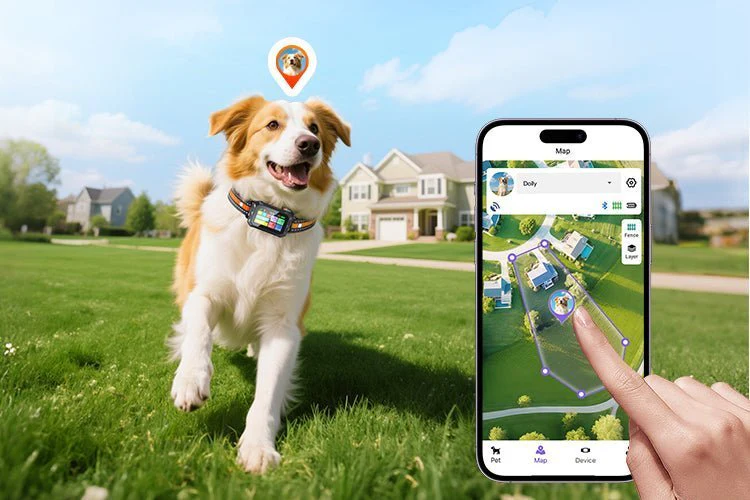
Few things trigger panic quite like realizing your dog has disappeared. One moment they’re in the yard, and the next, they’ve slipped through a gap in the fence or bolted after a squirrel into unfamiliar territory. Every year, millions of dogs go missing, and many face serious dangers including traffic, wildlife encounters, and exposure to harsh weather. Traditional solutions like ID tags and microchips help with recovery after the fact, but they can’t tell you where your dog is right now. That’s where GPS location trackers for dogs come in. These compact devices attach to your pet’s collar and provide real-time location updates directly to your smartphone, giving you the ability to monitor your dog’s whereabouts at any moment. Beyond simple tracking, modern GPS devices offer virtual fence alerts, health monitoring, and activity insights that transform how you care for your pet. Whether you have an escape artist or simply want extra peace of mind, GPS tracking technology offers a proactive approach to keeping your dog safe.
What is a GPS Location Tracker for Dogs?
A GPS location tracker for dogs is a lightweight device that attaches to your pet’s collar and communicates with orbiting satellites to pinpoint your dog’s exact position. Unlike ID tags that simply display contact information, or microchips that require a veterinarian’s scanner to read at close range, GPS trackers actively transmit location data using cellular networks. The device receives signals from multiple GPS satellites to calculate coordinates, then sends that information through a cellular connection to a companion app on your smartphone. This means you can see precisely where your dog is at any given moment, whether they’re across the street or miles away. The primary purpose of these devices is straightforward: giving dog owners immediate knowledge of their pet’s location so they can intervene quickly if something goes wrong. Rather than relying on luck or the kindness of strangers to reunite you with a lost dog, a GPS tracker puts you in control of the search from the very first second.
The Power of Real-Time Tracking for Your Dog’s Safety
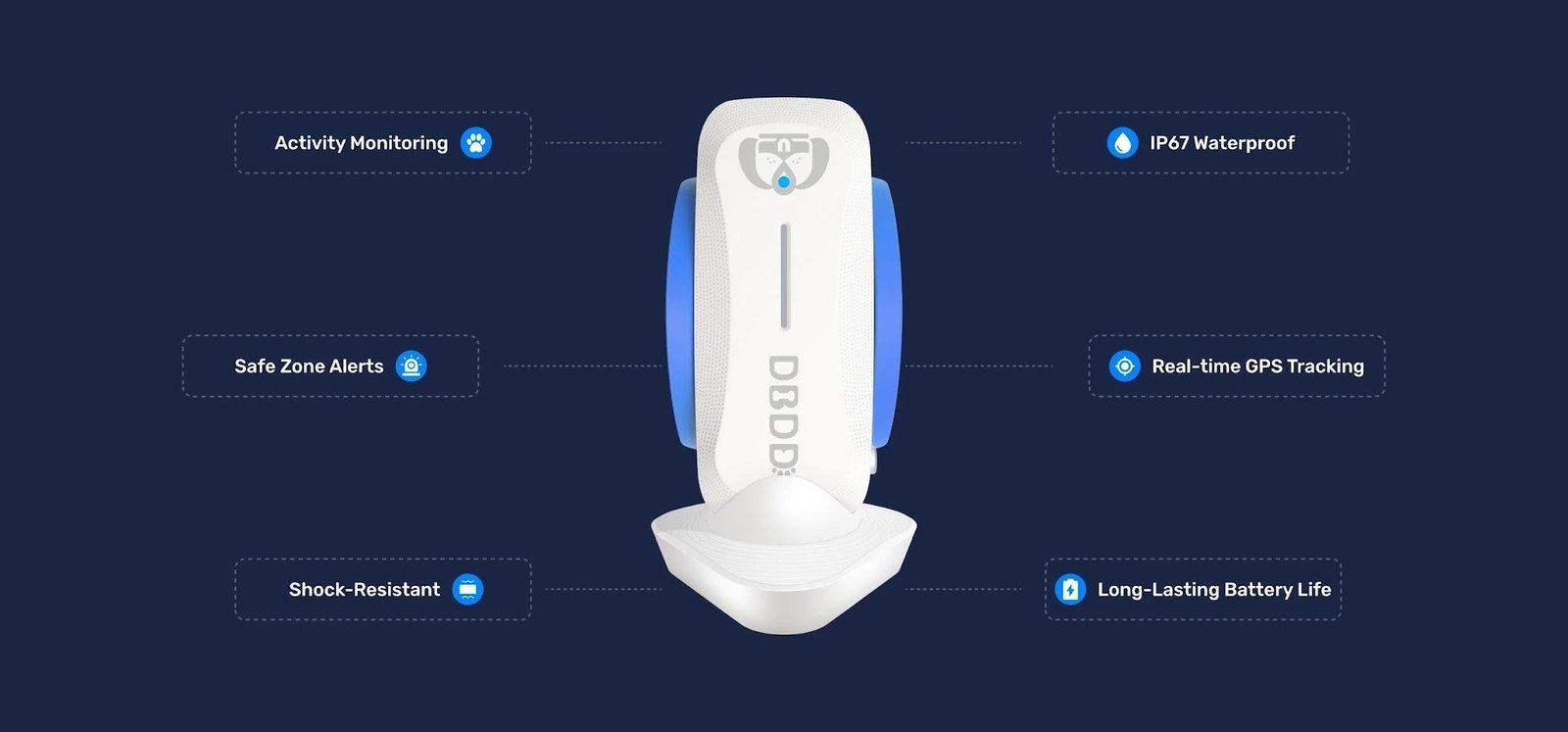
Real-time tracking fundamentally changes how you respond when your dog goes missing. Instead of wandering the neighborhood calling their name and hoping for the best, you open an app on your phone and see a moving dot on a map showing exactly where your dog is headed. Most modern trackers update your dog’s position every few seconds, giving you a live feed of their movements overlaid on detailed street maps or satellite imagery. You can watch their path unfold, anticipate their direction, and take the fastest route to intercept them.
This capability proves critical in several high-stakes scenarios. If your dog escapes during a thunderstorm, when fear drives them to run farther and faster than usual, real-time tracking lets you follow their exact path rather than guessing which direction they fled. During camping or hiking trips in unfamiliar terrain, a momentary distraction can lead to separation, and knowing your dog’s precise coordinates can mean the difference between a quick reunion and a prolonged, dangerous search. Dogs that slip out of the yard while you’re at work can be located immediately once you receive an escape alert, rather than discovering hours later that they’re gone. Real-time tracking also helps in emergencies where your dog may be injured and stationary in a hidden location, such as a ditch or dense brush, that you’d never find through a visual search alone. The immediacy of this information transforms you from a passive, anxious searcher into someone with a clear plan and a direct path back to your pet.
Monitoring Health and Activity with Pet Health Alerts
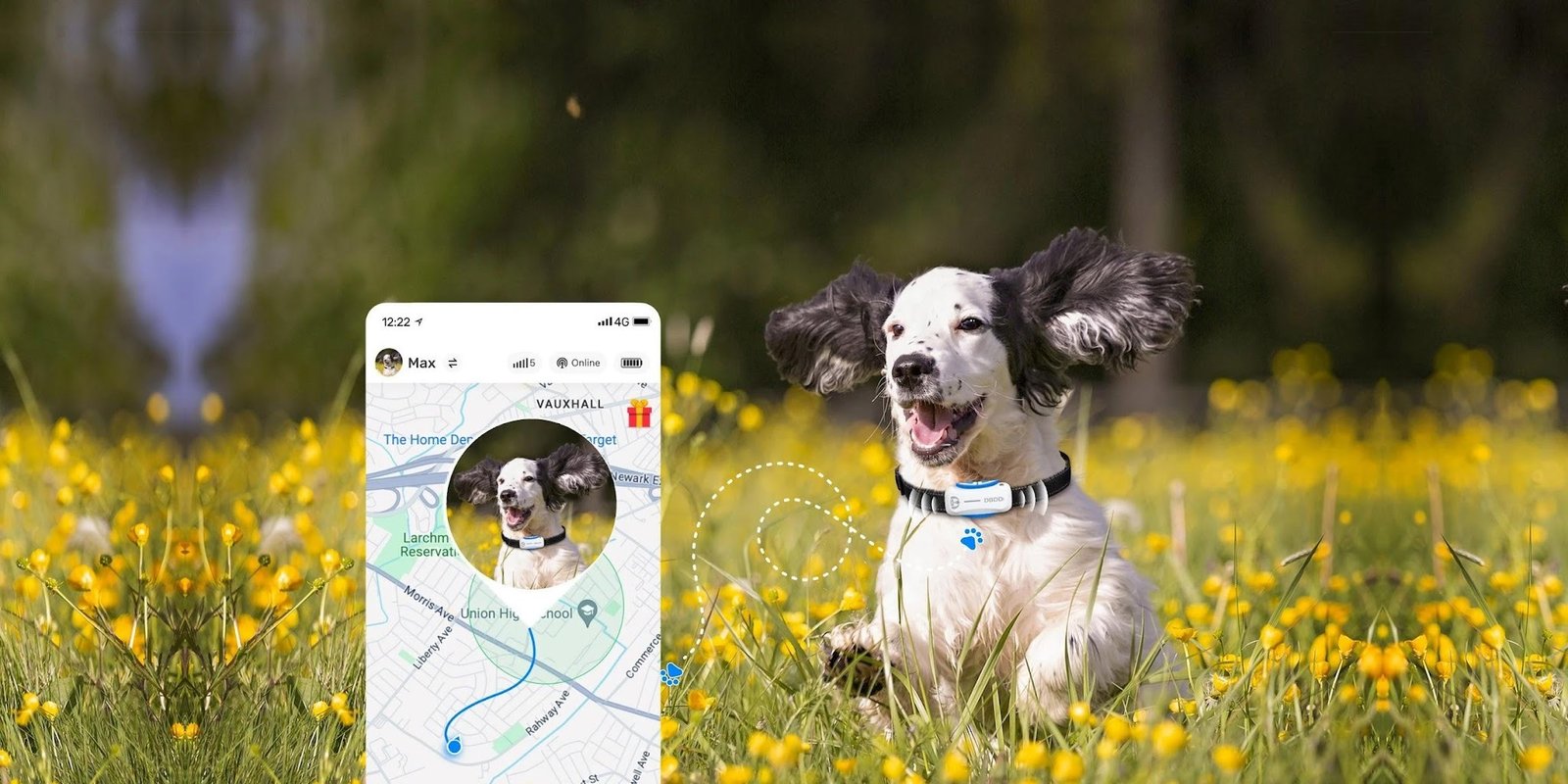
Modern GPS trackers do far more than plot your dog’s position on a map. Many devices now include built-in sensors that monitor your pet’s daily activity levels, rest patterns, and overall behavioral trends. Throughout the day, the tracker records how much your dog moves, how long they sleep, and whether their routine deviates from established norms. This data flows into the companion app, where algorithms analyze patterns over time and flag anything unusual. For instance, if your normally energetic dog suddenly becomes lethargic and spends significantly more time resting, the app can send you a pet health alert prompting you to investigate further. Similarly, a spike in restless behavior or a dramatic change in activity could signal pain, anxiety, or illness before visible symptoms appear. This early detection capability gives you a meaningful head start in seeking veterinary care, potentially catching conditions when they’re most treatable. For owners who spend hours away from home during the workday, these health insights bridge the gap between visits, offering a continuous window into your dog’s well-being that simply wasn’t possible before.
Key Health Metrics to Watch
Most trackers monitor daily step counts, distance traveled, calories burned, and active versus rest minutes, giving you a comprehensive picture of your dog’s fitness. Sleep quality tracking reveals how deeply and consistently your dog rests overnight. When any metric falls outside your dog’s normal range, the app sends push notifications directly to your phone. Over weeks and months, trend graphs help you and your veterinarian spot gradual changes that might otherwise go unnoticed during routine checkups.
Creating Safe Boundaries with Virtual Fences
Virtual fences, also known as geofences, allow you to draw invisible boundaries on a digital map and receive instant alerts whenever your dog crosses them. Through the companion app, you define custom safe zones around your home, yard, a friend’s property, or any area where your dog should remain. The tracker continuously compares your dog’s GPS coordinates against these boundaries, and the moment your pet steps outside a designated zone, your phone buzzes with a notification. This proactive alert system means you know about an escape attempt within seconds rather than discovering it after the fact. Setting up a virtual fence typically takes less than a minute: open the app, select the geofence option, drag the boundary to your desired shape and size, name the zone, and activate it. You can create multiple zones for different locations and adjust their radius as needed. For dogs that stay in unfenced yards, visit dog parks, or travel with you to new environments, virtual fences provide a flexible safety net that adapts to your lifestyle without requiring any physical infrastructure.
How to Choose the Best GPS Tracker for Your Dog
Selecting the right GPS tracker for your dog requires weighing several practical factors against your specific needs. Location accuracy tops the list—look for devices that combine GPS with additional positioning technologies like Wi-Fi and Bluetooth for reliable tracking in both open areas and dense urban environments. Devices like the DBDD GPS Tracker are designed with pet owners in mind, combining multiple positioning methods to maintain accuracy across varied environments. Battery life varies significantly across devices, with some lasting just a day or two under heavy use and others stretching beyond a week, so consider how often you’re willing to recharge. Durability matters enormously since your dog won’t treat the device gently; a tracker should withstand rough play, rain, mud, and the occasional swim. Most GPS trackers require a monthly or annual subscription to maintain cellular connectivity, so factor that ongoing cost into your decision. The companion app experience also deserves attention—an intuitive, responsive app with clear maps and customizable alerts makes the difference between a tracker you actually use and one that collects dust. Collar-attached trackers clip directly onto your dog’s existing collar and tend to be smaller and lighter, making them ideal for medium to large breeds. Standalone units with integrated collars offer a sleeker profile and often better battery performance but limit your collar style choices. For small dogs, weight becomes a critical concern, as a bulky tracker can cause neck strain and discomfort.
Top Features to Prioritize
Waterproofing is non-negotiable—your dog will encounter water whether you plan for it or not, so choose a tracker rated IPX7 or higher. Real-time update frequency determines how precisely you can follow a moving dog, with updates every two to three seconds being ideal for active escape scenarios. Smartphone compatibility across both iOS and Android ensures everyone in the household can monitor your pet. Look for devices offering geofencing, activity tracking, and location history as standard features rather than premium add-ons, so you get full functionality from day one.
Step-by-Step Guide to Implementing Your Dog Tracking Solution
Getting your GPS tracker up and running takes just a few straightforward steps. Start by fully charging the device before first use, as most trackers require several hours to reach a complete charge. Once powered on, download the companion app to your smartphone and create an account. The app will walk you through pairing the device via Bluetooth, which typically involves holding a button on the tracker until it enters pairing mode. After syncing, attach the tracker securely to your dog’s collar, ensuring it sits snugly without dangling or shifting during movement.
Next, configure your real-time tracking preferences within the app. Set your desired update frequency—more frequent updates drain battery faster, so choose a balanced setting for everyday use and switch to high-frequency mode only during active situations. Enable pet health alerts by inputting your dog’s breed, age, and weight so the algorithms can establish appropriate activity baselines. Allow at least one week of wear for the tracker to learn your dog’s normal patterns before relying on health notifications.
To set up virtual fences, navigate to the geofence section of the app, center the map on your home or yard, and draw your boundary with a comfortable margin beyond your physical fence line. Create additional zones for regular locations like your dog walker’s house or a favorite park. Finally, establish a maintenance routine: check the device weekly for secure attachment, clean it monthly to prevent sensor interference, and keep the app updated to access the latest features and bug fixes. If you experience connectivity issues, verify that your cellular coverage is adequate in your area and try repositioning the tracker on the collar for better satellite reception.
Take Control of Your Dog’s Safety with GPS Tracking
A GPS location tracker gives you something no ID tag or microchip ever could: the ability to know exactly where your dog is, right now, in this moment. Real-time tracking eliminates the helpless uncertainty of a missing pet and replaces it with actionable information that leads you straight to them. Beyond location, today’s trackers serve as silent health companions, monitoring your dog’s activity and rest patterns to catch potential problems before they become serious. Virtual fences add another layer of protection, alerting you the instant your dog crosses a boundary so you can respond in seconds rather than hours. Together, these features address the core concerns every dog owner carries—safety, health, and the simple need to know their pet is okay. Choosing a tracker and spending a few minutes setting it up is one of the easiest, most impactful steps you can take as a responsible pet owner. Your dog depends on you to keep them safe, and with GPS tracking technology on their collar, you’re equipped to do exactly that, no matter where their curiosity takes them.