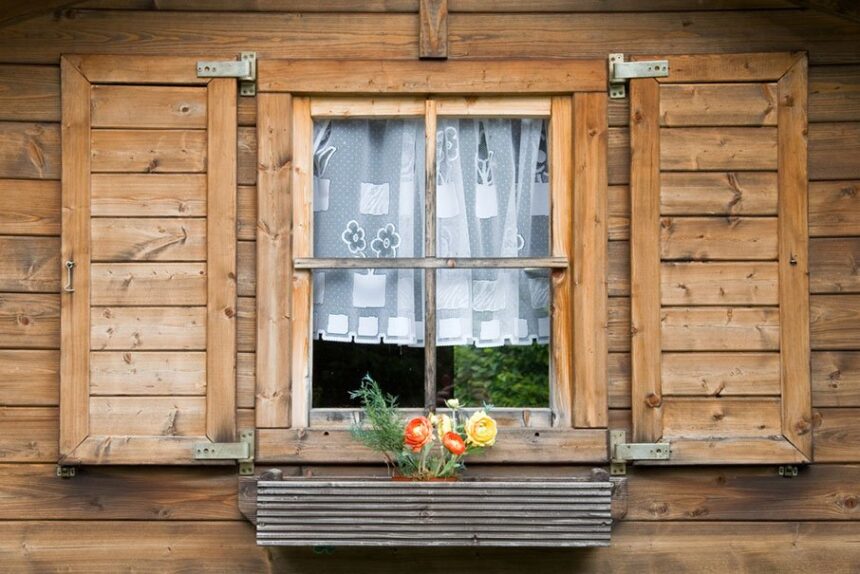
Short answer: keep as much original timber and detail as possible, repair rather than rip out, use traditional methods such as linseed putty pointing, add discreet upgrades (draught proofing or secondary glazing), then stick to a light, regular maintenance routine. Done well, you keep the character while making the house warmer, quieter and easier to live with.
Why period timber windows are worth saving
In listed and historic homes, windows are part of the architecture, not just “frames with glass”. Think slim glazing bars, original mouldings, wavy glass and sections you cannot buy off the shelf.
Well-restored period windows usually:
- Satisfy planners by respecting the original design.
- Add value and kerb appeal.
- Improve comfort without spoiling the façade.
- Outlast many modern factory units if maintained.
Skipping straight to bulky replacements is rarely necessary — and often not permitted.
Step 1: Identify what you have
Most homes will have one or more of the following:
- Traditional box sash windows
Common in Georgian/Victorian homes. Slim bars, cords and weights, sliding vertically.
- Timber casement windows
Cottages and rural properties. Side-hung or top-hung openers, sometimes with leaded lights.
- Feature/shaped windows
Arched heads, curved frames, Gothic forms, stained/etched glass, sunburst fanlights.
Principle across all types: preserve original design and replicate any new parts like-for-like.
Step 2: Inspect for common problems
Walk each elevation inside and out. Note windows that need light maintenance versus deeper repair.
Timber condition
- Soft/crumbling areas on bottom rails, cills and lower stiles.
- Dark staining at joints (moisture ingress).
- Old filler cracked away from timber.
Glazing and putty
- Missing/loose putty.
- Gaps between glass and timber.
- Cracked or missing panes.
Paintwork
- Flaking paint exposing bare timber.
- Thick layers hiding mouldings.
- Hairline cracks that admit water.
Operation and draughts
- Sashes stuck, painted shut or dropping.
- Casements not pulling up tight.
- Noticeable draughts at meeting rails and rebates.
Step 3: Repair, don’t rip out
Most tired windows can be brought back to life without full replacement.
Timber splicing
Cut out rot and scarf in new hardwood or Accoya, profiled to match.
New sashes in existing boxes
If sashes are beyond repair, retain the box frame and machine exact-match sashes.
Joints and consolidation
Re-glue/pin loose joints; consolidate sound timber where appropriate.
Ironmongery upgrades
Fit quality, period-appropriate locks, lifts and catches for better operation and security.
This fabric-first approach is generally preferred by conservation officers and avoids the “blunt” look of modern sections.
Traditional putty pointing — why it still matters
Linseed-oil putty, bedded and faced, gives:
- Correct period sightlines and shadow lines.
- A flexible, breathable seal for old timber.
- A finish planners expect on heritage work.
Failing putty causes rattles, draughts and water ingress. The cure is careful re-puttying — not plastic trims or chunky beads.
Step 4: Improve comfort with sympathetic upgrades
Draught proofing
Discrete brush/rubber seals to:
- Staff/parting beads on sashes.
- Casement rebates and meeting points.
- Frame-to-sash junctions.
Transforms comfort with no visual change.
Slimline heritage double glazing
With the right consents, slim units in traditional sections can lift thermal performance while keeping sightlines. Needs careful specification and conservation sign-off.
Secondary glazing
A slim internal aluminium frame, independent of the primary window.
Benefits:
- Significant heat-loss reduction.
- Noticeable noise reduction for busy streets.
- No external appearance change; works with unusual shapes.
- Options: vertical/horizontal sliders, hinged, fixed or lift-out.
[Planning note]: always consult your conservation officer before committing.
Step 5: Preparation and repainting — keep details sharp
A good finish protects for years. Typical process:
Strip and sand carefully — remove loose paint without rounding profiles.
Treat and prime — apply preservative where required; use a compatible primer.
Fill and fair — flexible fillers used sparingly; keep crisp arrises.
Undercoat and finish — use a reputable joinery coating or quality exterior paint; heritage colour ranges sit well with period materials.
Factory finishing (where possible) — sprayed in controlled conditions for consistency and durability.
Step 6: A simple maintenance routine
Every year
- Wash down paintwork.
- Check putty, seals and joints.
- Lubricate moving parts/ironmongery.
Every 2–3 years
- Touch in nicks; spot-prime and paint.
- Check sash cords/balances and adjust.
Every 7–10 years
- Plan a full repaint (exposure and paint system dependent).
Treat maintenance as routine care and you’ll avoid major repairs.
When to bring in a specialist joinery manufacturer
DIY is realistic for light sanding, touch-ups and basic draught proofing. Call a specialist when:
- The property is listed or in a conservation area.
- Frames/sashes are severely decayed or distorted.
- You need exact-match new sashes/frames.
- You’re considering heritage double or secondary glazing.
- Traditional putty pointing is required.
A workshop experienced in bespoke heritage joinery understands planning expectations, materials and how to blend traditional aesthetics with modern performance.
How HC Joinery can help
HC Joinery makes handmade, bespoke period wooden windows and doors for heritage, listed and period homes across the North of England and beyond.
We typically support with:
- Traditional, linseed-putty-pointed timber windows for listed buildings.
- Exact-match sash and casement windows.
- Secondary glazing solutions where replacement isn’t possible.
- Bespoke doors, screens and feature windows that respect period architecture.
Next step: book a survey to review options and planning routes.
FAQs
Is it cheaper to restore or replace old wooden windows?
Often, restoration is more cost-effective long term once you factor planning risk and the value of original detailing. Replacement can be right where timber is structurally unsound — compare like-for-like bespoke timber, not generic units.
Can I install double glazing in a listed building?
Sometimes. Slimline heritage units may be approved where appearance is unchanged; otherwise secondary glazing is preferred. Check with your conservation officer and a specialist first.
How often should period timber windows be repainted?
With proper prep and coatings, plan for 7–10 years between full repaints, shorter in coastal/exposed spots. Light annual cleaning and touch-ups extend life.
What is traditional putty pointing and why is it important?
Linseed-based putty beds and faces the glass, creating an authentic, flexible, breathable seal with correct sightlines.
Will secondary glazing spoil the look?
Quality systems are discreet internally and leave the external appearance unchanged, while improving warmth and noise control.