Are you looking at your worn-out, cracked, or simply outdated floors and dreaming of an upgrade? Tearing out old concrete or tile can be a messy, expensive, and time-consuming process. Fortunately, there’s a smarter way to achieve a stunning new look. Concrete floor overlays offer a durable, customizable, and cost-effective solution to transform your existing surfaces without the need for a complete demolition.
This guide will walk you through everything you need to know about this innovative flooring solution. We’ll explore what concrete overlays are, their many benefits, the different types available, and what the installation process looks like. By the end, you’ll understand why CreteScapes and other concrete floor overlays are becoming the go-to choice for homeowners and businesses alike.
What Exactly Are Concrete Floor Overlays?
A concrete floor overlay, sometimes called a microtopping or skim coat, is a thin, cement-based layer applied directly over an existing concrete slab. Think of it as a fresh new surface for your floor. These overlays are a blend of cement, polymers, sand, and other additives that bond tightly to the underlying concrete, creating a smooth, durable, and attractive finish.
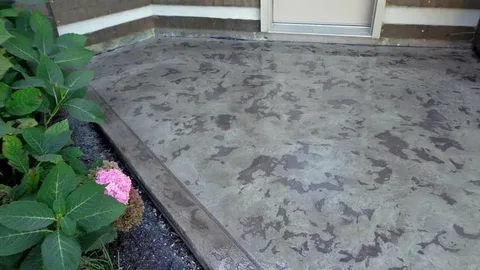
This technology isn’t just for covering up imperfections. It opens up a world of design possibilities. Overlays can be stamped, stained, dyed, or polished to mimic the appearance of expensive materials like stone, tile, brick, or even wood. This versatility makes them a powerful tool for breathing new life into any space, from residential basements and patios to commercial showrooms and restaurants.
The Top Benefits of Choosing a Concrete Overlay
Why are so many property owners turning to concrete floor overlays? The advantages go far beyond simple aesthetics.
Cost-Effective Transformation
One of the biggest draws is the cost savings. A full tear-out and replacement of a concrete slab is a major construction project with significant labor and material costs. An overlay uses the existing slab as a foundation, drastically reducing expenses and project time. You get the look of a brand-new floor for a fraction of the price.
Limitless Design Freedom
With concrete floor overlays, your design options are virtually endless.
- Color: Integral pigments or topical stains can create any color imaginable, from earthy neutrals to bold, vibrant hues.
- Texture: Overlays can be troweled smooth for a sleek, modern look, or stamped with patterns to replicate materials like slate, flagstone, or cobblestone.
- Finish: Choose from a high-gloss, polished finish that reflects light and adds elegance, or a more subtle matte finish for an understated look.
This level of customization allows you to create a unique floor that perfectly matches your decor and personal style.
Exceptional Durability and Longevity
Modern overlays are engineered for performance. The polymer-modified cement mixtures create a surface that is often stronger and more resilient than regular concrete. It’s highly resistant to abrasion, impact, chemicals, and stains. When properly sealed, a CreteScapes overlay can withstand heavy foot traffic and daily wear and tear for many years, making it an excellent long-term investment.
Quick and Minimally Invasive Installation
Compared to a full floor replacement, installing an overlay is a much faster process. There is less dust, debris, and disruption to your home or business. A professional crew can often prepare the surface and apply the overlay in just a few days, minimizing downtime and allowing you to enjoy your new floors sooner.
Easy Maintenance
Maintaining a concrete overlay is simple. Regular sweeping and occasional mopping with a pH-neutral cleaner are all that’s needed to keep the floor looking its best. A high-quality sealer protects the surface from spills and stains, and it may need to be reapplied every few years, depending on traffic levels.
Types of Concrete Floor Overlays
Not all overlays are the same. The right type for your project depends on the condition of your existing floor and the look you want to achieve.
Stampable Overlays
If you want the texture and pattern of natural stone, brick, or wood, a stampable overlay is the perfect choice. These are typically applied at a thickness of 1/4 to 3/4 inch, which is deep enough to accommodate realistic-looking patterns. After the overlay is poured and smoothed, large stamps are pressed into the surface to create the desired texture before it cures.
Microtoppings and Skim Coats
For a smooth, uniform finish, a microtopping is ideal. These are applied in very thin layers, often just the thickness of a credit card. They are excellent for refreshing tired-looking concrete, covering minor cracks, and creating a clean canvas for decorative stains or dyes. Microtoppings provide a sleek, contemporary look popular in modern homes and commercial spaces.
Self-Leveling Overlays
When the existing concrete floor is uneven or has significant pitting and spalling, a self-leveling overlay is the solution. As the name suggests, this mixture is more fluid and spreads out to create a perfectly flat and smooth surface on its own. It’s an excellent choice for preparing a floor for tile, hardwood, or carpet, or it can be used as a decorative finish itself.
The Installation Process: A Step-by-Step Look
While a DIY approach might be tempting, achieving a professional and long-lasting finish with a concrete floor overlay requires expertise. Here’s a general overview of what a professional installation from a team like CreteScapes involves:
- Surface Preparation: This is the most critical step. The existing concrete must be thoroughly cleaned to remove any dirt, grease, paint, or sealers. This is often done using a pressure washer or a chemical stripper. Any cracks or significant damage are repaired.
- Grinding: The surface is then mechanically ground to create a porous profile. This step is essential for ensuring the overlay can form a strong mechanical bond with the old concrete.
- Priming: A primer is applied to the prepared surface. The primer acts as a bonding agent, further enhancing the adhesion between the overlay and the existing slab.
- Mixing and Application: The overlay material is mixed according to the manufacturer’s specifications. It is then poured or troweled onto the floor and spread evenly to the desired thickness.
- Finishing and Texturing: This is where the artistry comes in. Depending on the desired look, the overlay is troweled smooth, stamped with patterns, or textured with brooms or other tools. Color can be added at the mixing stage or applied topically after.
- Curing and Sealing: The overlay needs time to cure and harden. Once fully cured, a protective sealer is applied. The sealer enhances the color, provides stain and moisture resistance, and determines the final sheen (from matte to high gloss).
Ready to Reimagine Your Floors?
Concrete Floor Overlays offer a powerful combination of beauty, durability, and value. Whether you’re looking to hide imperfections in an old garage floor, create a stunning patio, or design a one-of-a-kind interior space, overlays provide a versatile and practical solution. With brands like CreteScapes leading the way, it’s never been easier to achieve a high-end look without the high-end price tag.
If you’re ready to stop living with floors you don’t love, it’s time to explore the possibilities of concrete overlays. Contact a professional installer to discuss your project and get a quote for transforming your space.