Introduction
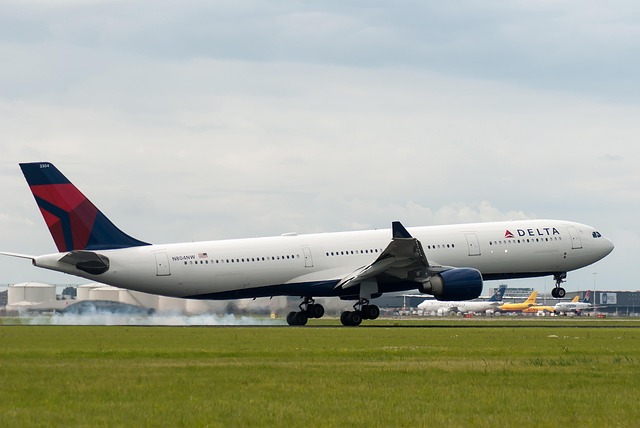
A recent aviation incident involving Delta Flight DL275 has caught the attention of travelers and aviation enthusiasts worldwide. The flight, originally scheduled from Detroit to Tokyo, was unexpectedly diverted to Los Angeles International Airport (LAX), raising questions about safety and the reason behind the decision.
In this article, we explain exactly what happened, why the flight was diverted, and whether passengers were ever in danger.
What Happened to Delta Flight DL275?
Delta Flight DL275 was en route from Detroit Metropolitan Airport to Tokyo when the crew detected a technical issue mid-flight. According to available information, the problem was related to the aircraft’s engine anti-ice system.
This system is responsible for preventing ice buildup on critical engine components during high-altitude flights. Any malfunction in this system is taken seriously because it can affect overall flight safety.
As a precaution, the pilots decided to divert the aircraft to Los Angeles (LAX), where proper maintenance facilities and technical support were available.
Why Was the Flight Diverted to LAX?
The decision to divert to LAX was not random. Los Angeles International Airport is one of the largest aviation hubs in the United States, equipped with advanced maintenance services and emergency handling capabilities.
The key reasons for choosing LAX include:
- Availability of technical experts
- Immediate maintenance support
- Safe and long runway for landing
- Passenger handling facilities
Diverting to a major airport ensures that both passengers and crew are safe while the issue is inspected.
Was the Situation Dangerous?
While any in-flight issue can sound alarming, there is no indication that passengers were in immediate danger. Modern aircraft are designed with multiple safety systems, and pilots are trained to handle such situations calmly and effectively.
In this case:
- The issue was detected early
- The crew followed safety protocols
- The aircraft landed safely
This shows that the aviation safety system worked exactly as intended.
What Happened After Landing?
After landing at LAX, the aircraft was inspected by maintenance teams to identify and fix the issue. Passengers were assisted by airline staff and arrangements were made for their onward travel.
Airlines usually:
- Provide accommodation if needed
- Rebook passengers on alternative flights
- Offer support during delays
This ensures minimal inconvenience for travelers.
Why Flight Diversions Happen
Flight diversions are not uncommon in aviation. They are precautionary measures taken to ensure safety. Common reasons include:
- Technical issues
- Weather conditions
- Medical emergencies
- Air traffic restrictions
In most cases, diversions are done early to avoid any serious risk.
What This Means for Passengers
Incidents like DL275 highlight how seriously airlines take passenger safety. Even minor technical issues are handled with caution to prevent complications.
Passengers can be reassured that:
- Safety is always the top priority
- Aircraft systems are highly monitored
- Pilots are trained for emergency decisions
Final Thoughts
Delta Flight DL275’s diversion to LAX was a precautionary step taken due to a technical issue with the engine anti-ice system. The situation was handled professionally, and the aircraft landed safely without harm to passengers.
While such incidents may seem concerning, they actually demonstrate how effective modern aviation safety procedures are.
FAQs
Why was Delta Flight DL275 diverted to LAX?
Due to a technical issue with the engine anti-ice system.
Was the flight in danger?
No, the situation was handled safely and the aircraft landed without issues.
Do flight diversions happen often?
Yes, they are precautionary measures to ensure passenger safety.