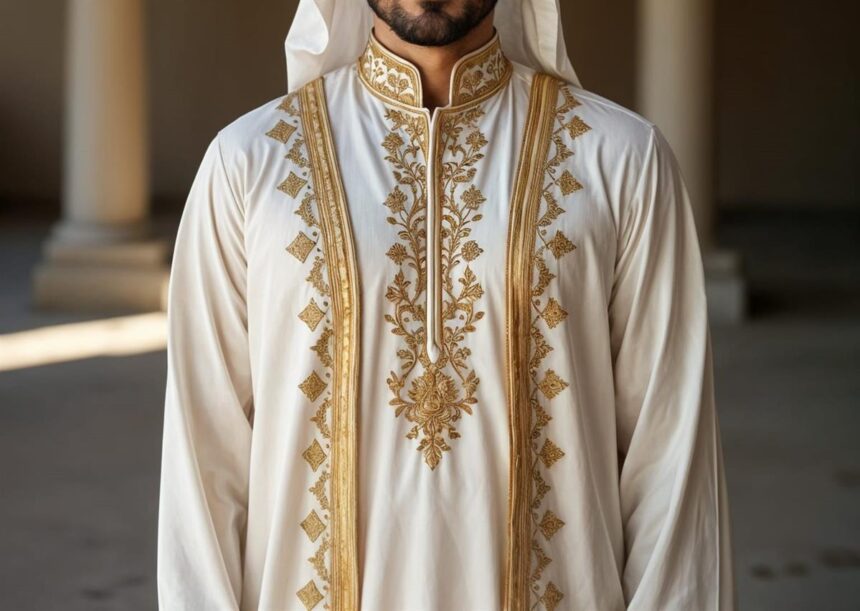
The thobe, a garment rich in history and culture, has become an iconic symbol across many Middle Eastern countries. Often seen flowing elegantly on the streets or during significant events, this traditional attire is more than just clothing; it tells a story of heritage, identity, and pride. But what exactly is a thobe? How did it evolve over time? And why does it hold such importance in various cultures? Join us as we dive deep into the world of the thobe—exploring its origins, styles, and the profound significance it carries for millions around the globe. Whether you’re familiar with this captivating piece of clothing or discovering it for the first time, there’s much to uncover about this timeless staple that has transcended generations.
The History of the Thobe
The thobe has a rich history that dates back centuries. Originating in the Arabian Peninsula, it was initially worn by nomadic tribes who favored its loose fit for comfort and practicality in hot climates.
As trade routes expanded, so did the influence of this garment. The thobe became popular across various Middle Eastern cultures, adapting to local customs and styles along the way.
Historically, it represented status and tradition. Wealthier individuals often wore more elaborately designed versions with intricate embroidery or luxurious fabrics.
Through time, the thobe evolved beyond mere clothing; it became a symbol of identity. It reflects not only personal style but also cultural heritage—connecting generations through shared attire while adapting to modern influences.
Regional Variations of the Thobe
The thobe, while fundamentally a long robe, showcases remarkable regional variations that reflect local culture and climate. In the Arabian Peninsula, for instance, you’ll find the thobe characterized by its loose fit and light fabric—ideal for hot desert conditions.
Travel to North Africa, and you’ll encounter styles adorned with intricate embroidery. These embellishments often symbolize regional identity or family heritage.
In parts of South Asia, such as Pakistan and India, similar garments like the kurta share stylistic elements but differ in length and cut. Here, vibrant colors dominate over more subdued hues found in traditional Middle Eastern designs.
Even within the Gulf states, distinct preferences emerge. The Kuwaiti thobe might feature a high collar style while Emirati versions may showcase elaborate cuffs. Each variation tells a story about its people—a thread woven into the fabric of their lives.
Traditional vs Modern Styles
Traditional thobes are often characterized by their loose fit, long sleeves, and ankle-length hemlines. They typically feature intricate embroidery or embellishments that reflect the cultural heritage of different regions. Fabrics like cotton or silk are commonly used, providing comfort in warm climates.
In contrast, modern styles have embraced innovation while respecting tradition. Designers experiment with cuts and fabrics, introducing tailored fits and contemporary patterns. Thobes may now incorporate bold colors and unique prints that appeal to younger generations.
Accessories play a vital role in both styles. Traditional thobes might be paired with a headscarf or agal, while modern interpretations can include trendy footwear or statement jewelry. This blend ensures the thobe remains relevant across various occasions, from formal events to casual gatherings.
The evolution showcases how fashion adapts over time without losing its essence or significance within cultural contexts.
Cultural Significance and Symbolism of the Thobe
The thobe is more than just an article of clothing; it embodies centuries of tradition and identity. Worn predominantly in the Arab world, it symbolizes cultural pride and heritage.
For many, donning a thobe signifies respect for their ancestry and commitment to preserving customs. It’s often worn during significant events like weddings, religious holidays, or national celebrations.
Colors and designs carry profound meanings as well. A white thobe may represent purity and simplicity, while darker shades could convey formality or sophistication.
Beyond aesthetics, the thobe fosters unity among communities. It serves as a visual reminder of shared values and collective history in regions where tribal affiliations are prominent.
In modern times, this garment has transcended fashion trends yet remains deeply rooted in societal roles—reflecting both individual expression and communal ties.
How to Wear a Thobe
Wearing a thobe can be both stylish and comfortable. To start, choose the right size that fits your body type. A well-fitted thobe should provide ease of movement without being too loose or tight.
When it comes to fabric, cotton is popular for casual wear due to its breathability. For formal occasions, consider silk or blended materials that add elegance.
Accessorizing enhances your look. A simple belt can define your waistline while traditional sandals complete the outfit seamlessly. Don’t forget about headgear; a kufi or ghutrah offers a polished finish.
Layering is also an option during cooler months. Pairing your thobe with a light jacket adds sophistication without compromising comfort.
Confidence is key when wearing any garment, including the iconic thobe. Embrace its cultural significance while making it uniquely yours through personal touches like color and style choices.
Controversies Surrounding the Thobe
The thobe, while celebrated for its elegance and functionality, has faced criticism over the years. Some argue that it can symbolize rigid cultural norms in a rapidly globalizing world.
Moreover, there are debates about gender representation. Traditionally worn by men, women’s versions of the thobe have emerged but often face scrutiny regarding their styles and acceptability within various communities.
Political tensions also play a role in how the thobe is perceived internationally. In some contexts, wearing a thobe may evoke stereotypes or misconceptions about Middle Eastern culture.
Additionally, fashion brands have appropriated elements of traditional attire without respecting their origins. This raises questions about authenticity and respect toward cultural heritage.
These controversies highlight ongoing dialogues around identity, tradition, and modernity as societies evolve globally.
Conclusion
The thobe stands as a remarkable garment with deep-rooted history and cultural significance. Worn across various regions, its styles reflect local traditions while also adapting to modern influences. The versatility of the thobe allows it to be suitable for both casual and formal occasions, making it an important piece in many wardrobes.
Understanding how to wear a thobe can enhance your appreciation for this traditional attire. Whether you choose a classic or contemporary version, wearing it with confidence is key.
While the thobe has faced some controversy regarding its perception in different cultures, its enduring presence speaks volumes about identity and heritage. As societies evolve, so does fashion—and the thobe exemplifies that journey beautifully.
Embracing this unique garment connects individuals not only to their cultural roots but also fosters understanding among diverse communities. With each stitch woven into a thobe lies a story—one that continues through generations around the world.