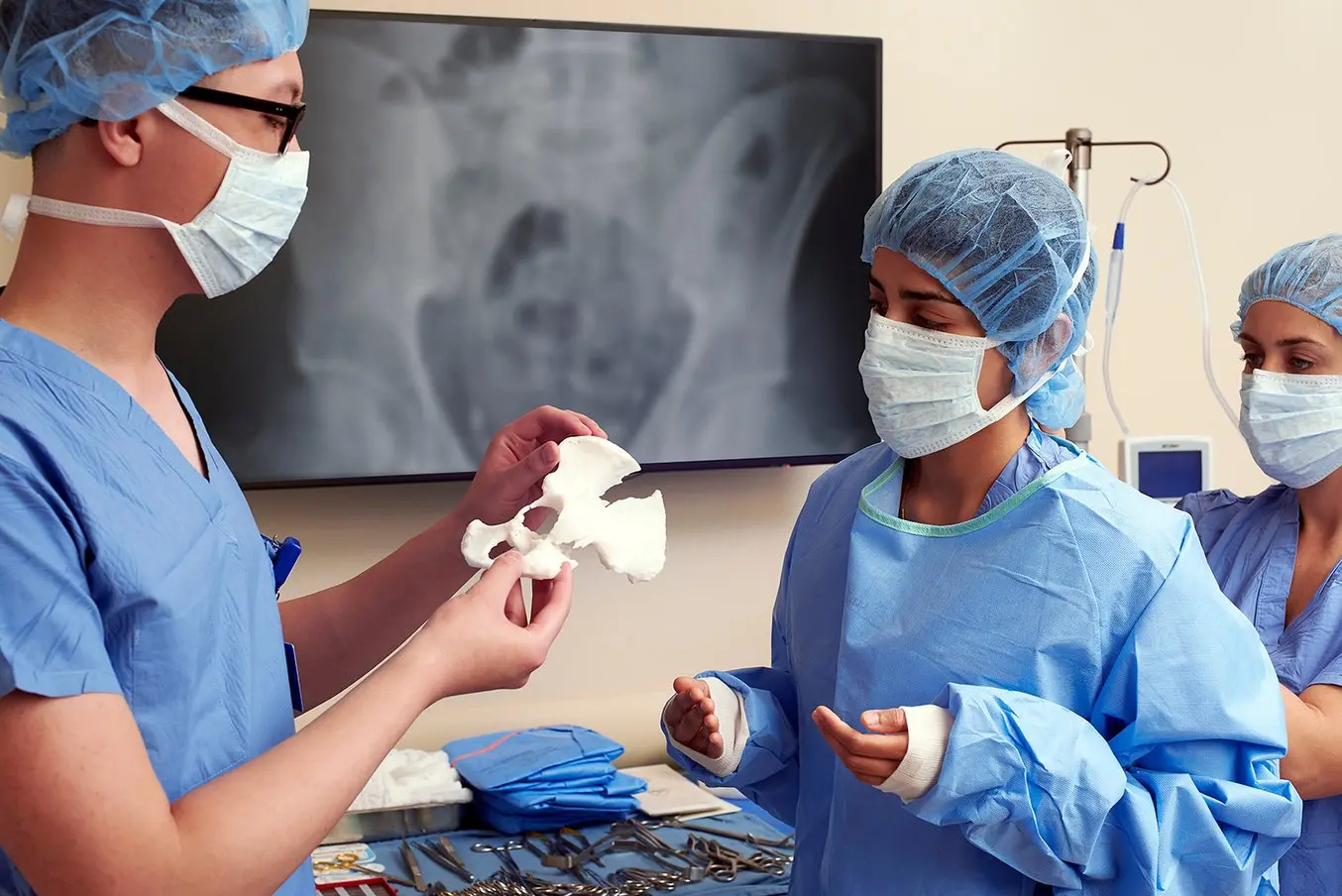
Visiting a nose specialist today looks very different than it did years ago. Thanks to tools like 3D imaging and minimally invasive technology, treatments for nasal problems are faster, safer, and more precise. Whether it’s a sinus infection, deviated septum, or cosmetic adjustment, modern methods help patients heal quicker with fewer risks.
This article explores how patients benefit when nose specialists use advanced tools like 3D imaging and minimally invasive surgery. By looking at common problems, the technology solutions, and patient outcomes, we see how these advancements shape modern care.
Modern Diagnostics in Nasal Care

Problem – Traditional Exams Miss Subtle Issues
For years, nasal exams relied on basic tools like lights and mirrors. These methods often failed to reveal small blockages, hidden polyps, or detailed sinus structures. Patients sometimes received incomplete diagnoses, leading to repeated visits.
Solution – Clarity With 3D Imaging
3D imaging gives nose specialists detailed views of nasal passages and sinuses. Unlike standard X-rays, 3D scans show depth and structure, helping detect problems early. For patients, this means fewer surprises, faster treatment planning, and accurate diagnoses.
Technology in Nasal Surgery
Problem – Invasive Procedures With Long Recovery
Traditional nasal surgery involved large incisions, significant bleeding, and long recovery times. Patients often faced pain, swelling, and missed work or school for weeks.
Solution – Minimally Invasive Surgery
With endoscopic technology and tiny surgical tools, nose specialists can treat blockages, remove polyps, or correct a septum without large cuts. These procedures reduce trauma, minimize blood loss, and shorten recovery. Patients often return to daily life much faster.
More in Health
Problem – Surgical Risks Due to Delicate Structures
The nose has thin bones, narrow passages, and sensitive tissues. Precision errors in surgery can lead to complications or the need for repeat procedures.
Solution – Robotics and Image Guidance
Some specialists now combine 3D imaging with robotic-assisted instruments. This increases accuracy, lowers risks, and gives patients more confidence in their outcomes.
Telemedicine and Remote Planning
Problem – Limited Access to ENT Specialists
Many patients live far from large medical centers or lack easy access to specialists. This delays care and worsens conditions like chronic sinusitis.
Solution – Virtual Consultations With Imaging Support
By sharing 3D scan results through digital platforms, nose specialists can review cases remotely. Patients gain access to expert opinions without traveling long distances. Combined with minimally invasive care, this makes treatment more accessible and efficient.
Cosmetic and Functional Improvements
Problem – Uncertainty About Rhinoplasty Results
Patients seeking nose reshaping often fear unpredictable results. Traditional methods required trust in sketches or verbal explanations, leaving patients anxious.
Solution – Previewing Results With 3D Simulation
3D imaging now allows patients to preview likely outcomes before surgery. Nose specialists use digital models to show how changes will affect both appearance and breathing. This increases patient confidence and satisfaction.
Problem – Cosmetic Surgery Overlooks Function
Some rhinoplasty procedures in the past improved appearance but made breathing worse.
Solution – Balancing Form and Function With Tech
By using 3D scans and minimally invasive tools, specialists ensure both appearance and airflow are optimized. Patients gain cosmetic improvements without sacrificing health.
Broader Patient Benefits
Faster Healing
Minimally invasive surgery reduces tissue damage, so patients heal more quickly.
Less Pain and Swelling
Smaller incisions and precise tools mean less post-surgical discomfort.
Lower Risk of Complications
3D imaging helps avoid surgical mistakes, making outcomes safer.
Higher Confidence in Results
Patients feel reassured by seeing 3D previews and understanding surgical plans.
Comparison Table: Traditional Care vs. Tech-Enhanced Care
| Aspect | Traditional Methods | 3D Imaging & Minimally Invasive Tech |
| Diagnosis | Basic exams, limited detail | Clear 3D visualization of nasal structures |
| Surgery | Large incisions, longer recovery | Tiny instruments, faster healing |
| Risk | Higher risk of complications | Reduced with image guidance |
| Cosmetic Planning | Sketches or verbal description | Digital 3D simulations |
| Patient Experience | Painful, uncertain | Comfortable, confident |
Key Takeaways in Bullet Points
- 3D imaging improves diagnosis and surgical planning.
- Minimally invasive technology shortens recovery and reduces pain.
- Patients gain both functional health and cosmetic improvements.
- Telemedicine plus imaging expands access to nose specialists.
- Modern tools increase safety, confidence, and overall satisfaction.
Conclusion
When nose specialists use 3D imaging and minimally invasive technology, patients see real benefits. From faster diagnoses to safer surgeries and clearer cosmetic previews, these advancements make care more effective and less stressful.
Instead of weeks of pain and uncertainty, patients now enjoy quicker recoveries, lower risks, and results they can trust. The combination of imaging clarity and gentle surgical tools shows how far medicine has come—and how much patients gain from it.
As technology continues to grow, one thing is clear: the future of nasal care is precise, patient-focused, and built on the promise of innovation.