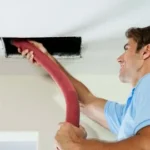
Many homeowners prioritize tasks like changing air filters, servicing HVAC systems, and upgrading thermostats. However, one crucial aspect of indoor air quality often goes overlooked: the air ducts. These unseen pathways quietly direct conditioned air throughout your home, playing a vital role in your comfort, safety, and health. Over time, dust, debris, pet dander, mold spores, and even pests can accumulate within your ductwork. This buildup can impact everything from your HVAC system’s efficiency to your family’s respiratory health.
This guide dives deep into the importance of maintaining clean air ducts, explaining what’s involved in duct cleaning, how it affects your living environment, and why it may be more essential than you think.
Understanding How Air Ducts Work
Before exploring the cleaning process, it’s helpful to understand what your air ducts do. These ducts are an integral part of your HVAC system. They carry heated or cooled air from your furnace, air conditioner, or heat pump and distribute it to different parts of your home through vents or registers.
In a properly sealed system, the air travels smoothly with minimal loss of energy. But as time passes, dust, pollen, construction debris, and other airborne particles settle inside the ductwork. If not addressed, these contaminants can circulate back into the living space every time the HVAC system runs.
Because ductwork is typically hidden behind walls, ceilings, or floors, it’s easy to forget it’s there. Yet, it continuously affects air quality and energy efficiency. That’s where professional duct cleaning becomes essential.
What Is Duct Cleaning?
Duct cleaning is the process of thoroughly cleaning the various components of your HVAC system. This includes:
- Supply and return air ducts
- Registers and grilles
- Diffusers
- Heat exchangers
- Coils
- Drip pans
- Fan motors and housing
Professional technicians use specialized tools like rotary brushes, high-powered vacuums, and compressed air to dislodge and remove dust and debris from within the system. The goal is not just to tidy the ducts but to improve indoor air quality, reduce allergens, and boost the overall efficiency of the HVAC unit.
Some advanced services may also include applying chemical biocides or sealants to prevent mold growth and recontamination.
Benefits of Duct Cleaning for Homeowners
The advantages of clean ducts go far beyond just appearance. While you can’t see what’s inside your ductwork, the impact on your daily life can be significant.
1. Improved Indoor Air Quality
One of the main reasons homeowners schedule duct cleaning is to improve the air they breathe. When contaminants build up inside ducts, they can circulate through the air and settle on surfaces—or worse, be inhaled.
Common pollutants found in ducts include:
- Dust and pollen
- Pet hair and dander
- Mold and mildew
- Bacteria and viruses
- Rodent or insect droppings
Removing these particles can relieve symptoms for those with asthma, allergies, or respiratory issues and promote a generally healthier indoor environment.
2. Enhanced HVAC Efficiency
When ducts are clogged with debris, your HVAC system has to work harder to push air through. This leads to increased energy usage, higher utility bills, and added strain on the system’s components.
Clean ductwork allows for smoother airflow and better temperature control throughout the home, meaning your heating and cooling equipment runs more efficiently and lasts longer.
3. Elimination of Unpleasant Odors
Musty or stale odors in the home can often be traced back to your air ducts. Dust, mold, and accumulated dirt can create a lingering smell that fresheners can’t mask.
Thorough duct cleaning removes the source of the odor, leaving your home smelling fresher and cleaner without artificial scents.
4. Reduced Dust in the Home
If you find yourself dusting more often than usual, dirty ducts might be the culprit. When air circulates through dust-filled ductwork, it carries those particles into your living space, settling on furniture, bedding, and floors.
Cleaning the ducts can dramatically reduce the amount of dust and make cleaning routines more manageable.
When Should You Consider Duct Cleaning?
There’s no universal schedule for duct cleaning, but there are specific situations where it becomes necessary:
- Renovations or New Construction: Construction dust and debris can quickly accumulate in the ducts.
- Visible Mold Growth: Mold inside ducts or HVAC components requires immediate attention.
- Pest Infestation: Rodents or insects leave behind droppings and nests that must be removed.
- Excessive Dust or Debris: If you notice particles blowing from vents, your system likely needs cleaning.
- Unexplained Allergies or Illnesses: Poor air quality due to contaminated ducts could be the reason.
Most HVAC experts recommend cleaning every 3–5 years under normal circumstances, but your schedule might vary depending on usage, the presence of pets, and environmental conditions.
How to Choose a Reliable Duct Cleaning Professional
Not all service providers are equal. Choosing a qualified and trustworthy company ensures the job is done thoroughly and safely.
What to Look for:
- Certifications: Look for technicians certified by the National Air Duct Cleaners Association (NADCA).
- Experience: A reputable provider should have a proven track record and positive customer reviews.
- Transparent Pricing: Avoid companies offering extremely low prices that may result in rushed or incomplete work.
- Modern Equipment: Effective duct cleaning requires industrial-grade vacuums and brushes.
- Before-and-After Photos: Some services offer visual proof of the cleaning process.
Avoid companies that make unsubstantiated health claims or pressure you into unnecessary services. A good provider will assess your system and recommend cleaning only when it’s truly needed.
What Happens During a Professional Duct Cleaning?
If you’ve never scheduled duct cleaning before, you might wonder what to expect. Here’s a breakdown of a typical service appointment:
- Initial Inspection: The technician assesses the system, checking for mold, excessive dust, and overall condition.
- System Protection: Vent covers are sealed, and protective barriers are used to prevent dust from spreading into your home.
- Loosening Debris: Brushes, air whips, or agitation tools dislodge contaminants stuck inside the ducts.
- Vacuum Extraction: A high-powered vacuum removes the loosened debris from the system.
- Cleaning Components: The technician may also clean blowers, fans, coils, and drain pans.
- Final Inspection: Once complete, the technician ensures everything is sealed and functioning correctly.
The entire process typically takes 2–5 hours, depending on the size of your home and the condition of the ducts.
Myths and Misconceptions About Duct Cleaning
Like many home services, duct cleaning is surrounded by conflicting advice and misinformation. Here are a few common myths—debunked:
- “It’s unnecessary if you can’t see dirt.”
Most contaminants are hidden deep inside the system, where you can’t see them. Just because you don’t see dirt doesn’t mean it’s clean. - “Only older homes need it.”
New homes often need cleaning after construction due to dust, sawdust, and drywall debris. - “Duct cleaning damages HVAC systems.”
When performed correctly by trained professionals, cleaning doesn’t harm your system—in fact, it protects it. - “It improves airflow immediately.”
Cleaning can improve efficiency, but significant airflow improvements also depend on duct layout and system design.
Maintaining Clean Ducts Between Professional Visits
To keep your air ducts clean for longer and reduce the need for frequent service, consider the following tips:
- Change HVAC filters regularly (every 1–3 months).
- Use high-efficiency filters for better particle capture.
- Keep your home clean, especially around vents and returns.
- Schedule annual HVAC maintenance to detect early issues.
- Seal duct leaks to prevent entry of dust and debris.
These small actions help maintain a cleaner indoor environment and reduce the load on your HVAC system.
Final Thoughts
Although it’s often out of sight, your ductwork plays a critical role in your home’s health, comfort, and efficiency. Regular duct cleaning not only improves air quality but also extends the life of your HVAC system and enhances overall performance.
If you’ve been neglecting your duct system, now may be the perfect time to evaluate its condition. Whether you suffer from allergies, notice unusual odors, or just want to improve your home’s energy efficiency, professional duct cleaning can be a simple yet transformative solution.