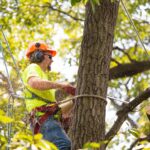
Forests are among Earth’s most valuable natural assets. They offer habitat for countless species, regulate climate, prevent soil erosion, provide clean water, and supply a vast array of resources for human use. In recent decades, the accelerating impacts of climate change, urbanization, deforestation, and biodiversity loss have shifted global attention toward the need for sustainable forest management. At the heart of this movement lies the science and practice of forestry.
Forestry, as a discipline and industry, is no longer limited to the commercial harvesting of timber. It has become an integrated field that encompasses conservation, ecology, climate science, and socioeconomics. This transformation reflects growing awareness of the interdependence between human well-being and healthy ecosystems. Today, forestry practitioners play a critical role in ensuring the long-term sustainability of forest landscapes in the face of rising environmental pressures.
The Foundations of Forest Stewardship
The traditional view of forests as mere sources of timber has evolved into a broader understanding of their ecological, cultural, and economic importance. This shift has been driven by a combination of scientific research, policy development, and public awareness. Modern forest management strategies are guided by several core principles:
1. Sustainability
Sustainable forest management seeks to balance present-day needs with the preservation of forest health for future generations. This means maintaining biodiversity, protecting water resources, conserving soil, and ensuring that forests continue to provide ecosystem services without becoming depleted or degraded.
2. Biodiversity Conservation
Healthy forests are biologically diverse. Protecting the wide range of species that inhabit forests—both plant and animal—is critical to maintaining ecosystem resilience. Biodiversity supports natural pest control, pollination, nutrient cycling, and adaptation to environmental change.
3. Climate Regulation
Forests serve as one of the planet’s most important carbon sinks, absorbing atmospheric carbon dioxide and storing it in biomass and soil. Responsible forest management helps mitigate climate change by enhancing carbon sequestration and reducing emissions from deforestation and degradation.
4. Community Engagement
Forests are home to and support the livelihoods of millions of people worldwide. Effective management involves respecting indigenous rights, promoting equitable access to resources, and involving local communities in decision-making processes.
Modern Practices in Forest Management
As the demands on forests have grown more complex, so too have the methods used to manage them. Traditional logging practices have given way to more nuanced, science-based approaches that incorporate long-term environmental goals.
Selective Harvesting
Unlike clear-cutting, selective harvesting removes only certain trees, leaving the rest of the forest intact. This minimizes ecological disruption, maintains canopy cover, and allows for natural regeneration. It’s often used in areas where biodiversity and ecosystem services must be preserved alongside timber production.
Reforestation and Afforestation
Reforestation involves replanting trees in areas that have been previously deforested. Afforestation refers to establishing forests in areas where there were none before. Both practices help restore ecosystem function, improve air and water quality, and provide economic opportunities.
Integrated Pest Management
Forests are increasingly threatened by invasive species and disease. Integrated Pest Management (IPM) employs a combination of biological, mechanical, and chemical controls to limit pest outbreaks without harming non-target species or the environment.
Controlled Burns
In some ecosystems, fire is a natural part of forest dynamics. Controlled or prescribed burns are used to reduce excess vegetation, recycle nutrients, and prevent catastrophic wildfires. These burns are carefully planned and monitored to minimize risk and maximize ecological benefits.
The Role of Technology in Forest Monitoring
Modern forestry relies heavily on technology to monitor and manage forest resources. Remote sensing, geographic information systems (GIS), and satellite imagery have become essential tools for collecting data, tracking changes, and informing decisions.
Satellite Monitoring
Satellites provide real-time images that help detect illegal logging, monitor forest health, and assess damage after natural disasters. This information supports rapid response and more accurate reporting of land-use changes.
Drones and Aerial Surveys
Unmanned aerial vehicles (UAVs) are increasingly used to conduct forest surveys, especially in difficult-to-access areas. Drones can quickly gather high-resolution images that aid in tree inventory, canopy analysis, and regeneration assessment.
Data Modeling
Advanced software and data modeling tools allow forest managers to simulate different scenarios—such as the effects of climate change, harvesting cycles, or pest outbreaks—and make informed decisions based on predicted outcomes.
Climate Change and Forest Resilience
Forests are both affected by and integral to the fight against climate change. Rising temperatures, altered precipitation patterns, and extreme weather events can all reduce forest productivity and increase susceptibility to pests, disease, and fire.
Adaptation strategies in forest management include:
- Species Diversification: Planting a variety of tree species to reduce vulnerability to disease or environmental stress.
- Assisted Migration: Introducing species or genotypes better suited to projected future climates.
- Forest Thinning: Reducing tree density to improve forest structure and resilience against drought and fire.
Climate-smart forestry aims to integrate mitigation and adaptation strategies while also enhancing the socio-economic benefits derived from forests.
The Economic Value of Forest Ecosystems
Beyond ecological importance, forests are major economic drivers. The forest products industry supports millions of jobs globally and produces goods such as lumber, paper, and bioenergy. However, the value of non-timber forest products and ecosystem services is increasingly being recognized.
These include:
- Medicinal Plants: Many pharmaceuticals are derived from forest species.
- Tourism and Recreation: Nature tourism and outdoor activities generate revenue and support local economies.
- Watershed Services: Forests filter water, reduce sedimentation, and help regulate the flow of rivers and streams.
Sustainable forestry practices aim to maintain these economic benefits without compromising long-term ecological integrity.
Social Equity and Indigenous Knowledge
For countless indigenous peoples and forest-dependent communities, forests are not just natural resources—they are a source of identity, tradition, and spiritual significance. Their knowledge systems, developed over generations, offer valuable insights into forest ecology and sustainable use.
Efforts to improve equity in forest governance include:
- Recognition of Land Rights: Securing legal recognition of indigenous territories helps protect forests from outside exploitation.
- Participatory Planning: Involving local communities in decision-making processes ensures that management strategies align with their needs and priorities.
- Benefit Sharing: Equitable distribution of profits from forest resources supports poverty reduction and encourages conservation.
Blending traditional knowledge with scientific research strengthens the effectiveness and cultural relevance of forest policies.
Challenges Facing Forest Managers
Despite technological advances and greater awareness, forestry professionals face significant challenges:
Deforestation and Land Use Change
Conversion of forests to agriculture, mining, and infrastructure development remains a leading cause of forest loss. Stopping deforestation requires stronger enforcement of environmental laws and incentives for sustainable land use.
Illegal Logging
The illegal timber trade undermines conservation efforts and deprives governments of revenue. Tackling it requires international cooperation, transparency in supply chains, and investment in forest monitoring systems.
Urbanization and Population Pressure
As urban areas expand, forests near cities are often cleared or degraded. Urban forest management and green infrastructure planning are increasingly necessary to preserve nature within and around urban spaces.
Funding and Capacity
Limited financial resources and technical capacity in some regions hinder effective forest management. Expanding education and training programs is essential to build a new generation of skilled forestry professionals.
Looking Ahead: A New Era for Forest Stewardship
The future of forest management will depend on integrating science, policy, and community action. It must also reflect the reality of interconnected global systems—forests do not exist in isolation, and their health influences and is influenced by broader planetary processes.
Emerging trends include:
- Carbon Markets: Payment for ecosystem services and carbon offset projects create financial incentives for preserving forests.
- Urban Forestry Initiatives: Planting trees in cities to combat heat islands, improve air quality, and enhance well-being.
- Regenerative Design: Incorporating forest ecology into architecture, agriculture, and infrastructure to harmonize human development with nature.
- Global Partnerships: International agreements like the UN’s REDD+ framework aim to reduce emissions from deforestation while supporting sustainable development.
Forests offer a profound opportunity: to reconcile ecological conservation with human progress. Realizing this potential requires commitment, innovation, and an enduring respect for the natural systems that sustain life on Earth.
Conclusion
In an increasingly complex and interconnected world, forestry in Park- Conifer stands as a crucial discipline for environmental balance and human prosperity. From climate change mitigation to economic development and cultural preservation, forest management is at the intersection of some of today’s most pressing global challenges.
By embracing sustainable practices, fostering inclusive governance, and leveraging modern technology, the path forward in forestry promises not just the preservation of forests—but their flourishing. As stewards of these living systems, we hold both the responsibility and the opportunity to shape a future where forests continue to thrive and provide for generations to come.