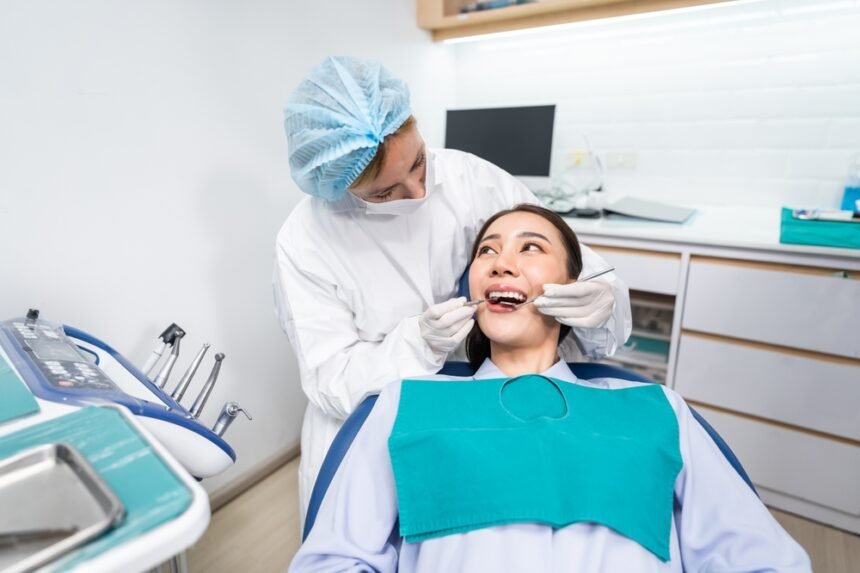
Modern dentistry has evolved far beyond simple checkups and cavity treatments. Today, oral healthcare integrates advanced technology, patient-centered approaches, and preventive strategies that aim to enhance long-term wellness. As people become more aware of the link between oral health and overall health, the demand for comprehensive dental care continues to rise.
From digital imaging to minimally invasive treatments, dental services now meet the needs of individuals of all ages with greater comfort and precision. Many modern practices, including https://caseydental.com, now use advanced digital tools to improve patient outcomes. This article explores the full spectrum of modern dental care, essential daily habits, specialized treatments, and how clinics use technology to improve outcomes.
Why Modern Dental Care Matters
Oral health affects much more than just your smile. It plays a critical role in digestion, speech, confidence, and even systemic health. Researchers have linked poor oral hygiene to cardiovascular disease, diabetes complications, respiratory issues, and pregnancy-related concerns.
Dentistry today focuses not only on treating problems but also preventing them. This shift toward early detection and personalized care helps individuals maintain healthier teeth and gums throughout life.
Key Benefits of Comprehensive Dental Care
- Early identification of oral diseases
- Improved overall health and immunity
- Enhanced appearance and confidence
- Reduced long-term treatment costs
- Access to minimally invasive procedures
- Better management of chronic conditions like gum disease
Preventive Dentistry: Building the Foundation of Oral Health
Preventive dentistry is the cornerstone of long-lasting oral health. It includes routine checkups, professional cleanings, and daily habits that prevent cavities, gum disease, and other common issues.
Essential Preventive Practices
- Regular Dental Visits
Dentists recommend checkups every six months. These visits allow for early detection of tooth decay, gum inflammation, and bite alignment issues. - Professional Cleaning
Even with excellent brushing, plaque and tartar can accumulate. Professional cleanings remove buildup and help prevent periodontal disease. - Fluoride Treatments and Sealants
Fluoride strengthens enamel, while sealants protect molars from decay, especially beneficial for children. - Diet and Nutrition
Limiting sugary snacks and acidic beverages can significantly reduce the risk of cavities.
Restorative Dental Care: Repairing and Protecting Teeth
When damage occurs, restorative dentistry helps repair function and appearance. These treatments aim to save natural teeth when possible, restoring strength and comfort.
Common Restorative Treatments
Fillings:
Used for cavities, modern tooth-colored fillings blend seamlessly with natural enamel.
Crowns:
Crowns protect weakened or damaged teeth, restoring functionality and preventing further deterioration.
Root Canal Therapy:
When decay reaches the inner pulp, root canal treatment relieves pain and saves the tooth from extraction.
Dental Bridges and Implants:
These solutions replace missing teeth, prevent bone loss, and support comfortable chewing and speech.
Cosmetic Dentistry: Enhancing the Smile
Cosmetic dentistry focuses on appearance, helping individuals achieve brighter, more aligned smiles. These services also contribute to confidence and self-esteem. In today’s digital world where first impressions matter more than ever, the demand for cosmetic treatments has seen steady growth.
Popular Cosmetic Options
- Teeth Whitening: Removes stains caused by food, beverages, and lifestyle habits.
- Veneers: Thin porcelain shells designed to reshape and brighten teeth.
- Invisalign and Clear Aligners: Transparent aligners that straighten teeth discreetly.
- Bonding: A quick solution for chipped or slightly misaligned teeth.
The Role of Technology in Modern Dental Care
The advancement of technology has revolutionized dentistry, making treatments faster, safer, and more precise. Clinics now incorporate digital tools that enhance diagnosis, treatment planning, and patient comfort.
Key Technological Innovations
Digital X-rays:
These produce clearer images with less radiation exposure and allow instant viewing for patients and dentists.
3D Imaging and Scanning:
Used for implants, orthodontics, and complex procedures, these technologies improve accuracy and reduce guesswork.
Laser Dentistry:
Lasers help treat gum disease, reshape tissue, and even whiten teeth with minimal discomfort.
CAD/CAM Systems:
These systems allow creation of crowns and restorations on the same day, reducing the need for multiple appointments.
Some modern practices, such as casey dental, integrate these advanced tools to deliver more efficient and precise care while maintaining patient comfort.
Pediatric Dentistry: Building Healthy Habits Early
Children require specialized dental care tailored to their growing teeth, gums, and jaw structure. Pediatric dentists focus on creating positive experiences that encourage long-term oral health habits.
Services for Young Patients
- Fluoride treatments and sealants
- Early orthodontic evaluation
- Cavity prevention education
- Monitoring tooth development
- Guidance on nutrition and oral hygiene
Positive dental experiences during childhood often shape lifelong approaches to oral health.
Periodontal Care: Protecting the Gums
Healthy gums are essential for stable teeth and a balanced oral environment. Gum disease is common but highly treatable when identified early.
Stages of Gum Disease
- Gingivitis: Red, swollen, or bleeding gums are early indicators.
- Periodontitis: Infection spreads deeper, causing bone loss and tooth instability.
- Advanced Periodontitis: Severe bone loss may lead to tooth loss and systemic health complications.
Treatments range from deep cleaning (scaling and root planing) to surgical procedures for advanced cases.
A second natural reference to https://caseydental.com fits here, as many full-service dental practices offer specialized periodontal treatments and preventive care programs.
Choosing the Right Dental Provider
Selecting a dental provider involves more than convenience. You should evaluate the clinic’s expertise, technology, patient-centered approach, and emergency care options.
Factors to Consider
- Credentials and experience of the dental team
- Range of services offered
- Use of advanced diagnostic tools
- Transparency in treatment planning and costs
- Patient reviews and recommendations
A reliable dental provider ensures long-term oral health and a comfortable patient experience.
Conclusion
Modern dental care combines preventive strategies, advanced technology, and patient-focused services to support lifelong oral health. Whether through routine checkups, restorative treatments, or cosmetic enhancements, dentistry today prioritizes preserving natural teeth, improving comfort, and enhancing overall well-being. By choosing a trusted dental provider and maintaining consistent oral hygiene habits, individuals can achieve healthier, brighter smiles that last a lifetime.
FAQs
- How often should I visit the dentist?
Most dentists recommend visiting every six months for regular checkups and cleanings. However, individuals with gum disease, frequent cavities, or ongoing treatments may need more frequent visits. Regular checkups help detect problems early and maintain long-term oral health. - What causes gum disease, and how can it be prevented?
Gum disease typically results from plaque buildup due to inadequate brushing or flossing. Smoking, poor diet, and genetics may increase risk. Preventive steps include daily oral hygiene, routine cleanings, and professional periodontal evaluations. Early treatment greatly reduces the chance of progression. - Are cosmetic dental treatments safe?
Yes, when performed by qualified dental professionals, cosmetic treatments like whitening, veneers, and bonding are safe and effective. Dentists assess your oral health first to ensure the procedures are appropriate. Proper aftercare and regular checkups help maintain results. - What are the advantages of dental implants?
Dental implants offer long-term tooth replacement that looks and functions like natural teeth. They prevent bone loss, improve chewing strength, and enhance facial structure. Implants are durable and can last decades with good care, making them one of the most effective restorative options. - How can technology improve my dental experience?
Modern dental technology enhances precision, reduces pain, and speeds up treatments. Digital X-rays, 3D scans, and laser procedures provide accurate diagnostics and minimally invasive care. Many clinics use these tools to ensure better comfort, faster recovery, and improved results for patients.