Modern offices have undergone dramatic shifts in recent years. Flexible working, shared environments and evolving team structures have all contributed to spaces that often feel provisional rather than permanent.
While adaptability is important, an office that feels too temporary can lack identity, comfort and purpose. This can affect morale, productivity and how people connect with their workplace. Designing offices that feel grounded and enduring helps create environments where people feel settled, valued and motivated.
A well-designed office should strike a balance between flexibility and permanence. It should feel intentional, not improvised, with design choices that communicate stability and care.
Invest in Permanent, High-Quality Materials
One of the most effective ways to create a lasting impression is through the use of durable, natural materials. Temporary offices often rely heavily on synthetic finishes, lightweight furniture and materials that wear quickly. In contrast, solid wood, natural stone and high-quality metals develop character over time rather than deteriorating.
Flooring plays a particularly important role in establishing permanence. Natural stone flooring, for example, immediately gives a space a sense of substance and longevity.
Materials sourced from trusted specialists such as Quorn Stone provide both durability and timeless appeal, helping offices feel less like transient environments and more like established places of work.
Walls and surfaces should also reflect quality. Plaster finishes, timber panelling and textured materials add depth and authenticity, reinforcing the sense that the space was designed to last.
Create Architectural Anchors
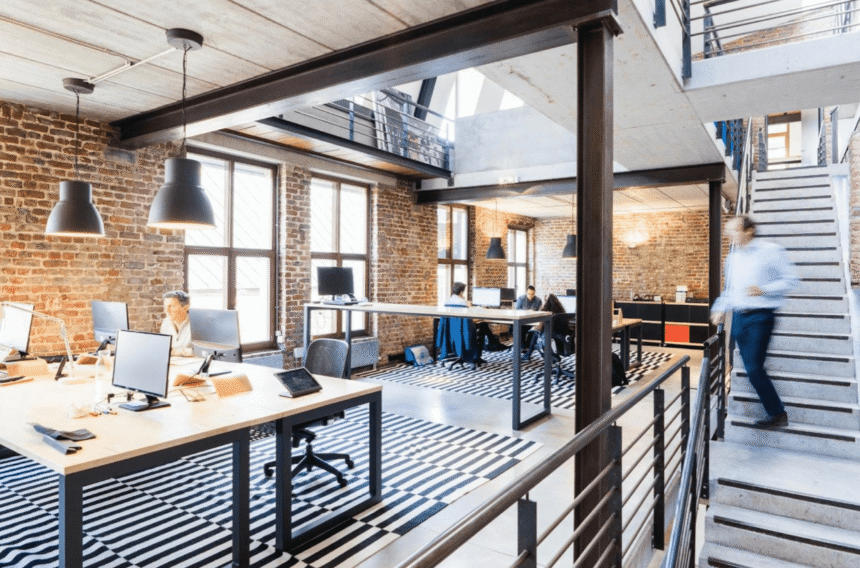
Temporary offices often rely on modular partitions and generic layouts that can be rearranged quickly. While flexibility is useful, incorporating fixed architectural features helps ground the space. Built-in shelving, permanent meeting rooms and feature walls create visual anchors that provide structure and stability.
Architectural details such as archways, alcoves or statement staircases can transform an office from a functional shell into a thoughtfully designed environment. These features create a sense of intention, signalling that the space has been carefully considered rather than assembled as a short-term solution.
Even smaller elements, such as integrated lighting or custom joinery, contribute to this effect by making the space feel tailored and complete.
Layer Texture and Comfort
A temporary space often feels flat and impersonal. Introducing layers of texture can dramatically change how an office feels. Soft furnishings, rugs, curtains and upholstered seating all help soften the environment and make it more inviting.
Natural materials are particularly effective at creating warmth. Wood grain, linen fabrics and stone surfaces add visual and tactile richness. These elements make the office feel less clinical and more human-centred.
Comfort should also be a priority. Ergonomic chairs, well-designed breakout areas and thoughtfully arranged seating encourage people to stay, collaborate and engage. When people feel physically comfortable, they are more likely to feel emotionally connected to the space.
Prioritise Timeless Design Over Trends
Trend-driven design can quickly make an office feel outdated, reinforcing the sense of impermanence. Instead, focusing on timeless colours, materials and forms ensures the space remains relevant for years to come.
Neutral palettes, natural tones and classic finishes provide a versatile foundation. These choices allow for subtle updates over time without requiring a complete redesign. Avoiding overly bold or novelty features helps maintain a professional and enduring aesthetic.
Timeless design does not mean boring design. It means choosing elements that age gracefully and continue to feel appropriate as the workplace evolves.
Reflect Identity and Purpose
An office should reflect the organisation it serves. Incorporating brand colours, artwork and meaningful design elements helps create a sense of belonging and authenticity. When a space reflects the company’s identity, it feels more rooted and intentional.
Personal touches, such as curated artwork or locally inspired materials, can make the environment feel unique rather than interchangeable. This reinforces the idea that the office is a home for the organisation, not just a temporary stop.
Employees are more likely to feel invested in a space that reflects shared values and purpose. This sense of connection transforms the office from a functional necessity into a meaningful place.
Designing for Longevity and Stability
Creating an office that feels permanent is about more than aesthetics. It is about communicating stability, care and long-term vision. Through thoughtful material choices, architectural features and timeless design, offices can move beyond the temporary mindset.
When a workplace feels grounded and intentional, it supports not only productivity but also a stronger sense of identity and belonging.