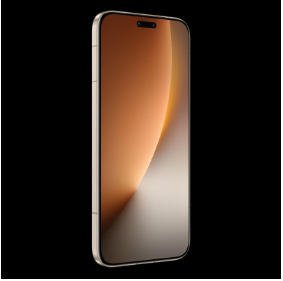
Smartphone screen size has a significant impact on the user experience, affecting everything from visual quality to everyday usage. The screen size you pick has a direct influence on how easy it is to engage with your device, consume content, and complete activities. With so many different sizes available on the market, understanding how screen size influences functioning can help you choose the device that best meets your needs. Whether you want mobility or an immersive viewing experience, the size of your phone’s screen may make a big impact on your overall smartphone experience.
What Are the Different Screen Sizes and Their Benefits?
Small Screen Smartphones
Small-screen smartphones, which generally range from 4 to 5 inches, are perfect for those who value mobility. These gadgets are tiny and portable, making them ideal for folks who want lightweight phones. Despite their small size, they nonetheless provide vital smartphone capabilities such as email, texting, and social media access. One of the primary advantages of small-screen phones is their effectiveness in simple tasks such as calling and messaging. While the display may not be as large for media consumption, its tiny size provides ease and practicality for those on the move.
Medium Screen Smartphones
Medium-sized smartphones, ranging from 5.5 to 6.1 inches, find a compromise between mobility and capability. These gadgets are popular because of their adaptability, which allows for a more pleasant viewing experience without being too big. The increased screen size enables more efficient surfing, gaming, and video viewing while being manageable in one hand. Many people choose this size for daily chores, including social media, video chats, and productivity applications. Furthermore, the larger screen size makes typing and navigating more comfortable than on smaller versions, providing a seamless and delightful experience for the majority of smartphone activities.
Large Screen Smartphones
Smartphones with large screens, generally measuring 6.2 inches or more, provide an immersive experience, particularly for media consumption and gaming. The larger display provides better images, making it simpler to watch material, play games, and multitask. These phones are ideal for viewing movies, editing images, and doing difficult activities since the bigger screen allows for greater engagement. However, there is a trade-off in size and weight. Larger gadgets may feel bulky in the hand, making them less portable than smaller counterparts. Regardless, people who value a high-quality viewing experience frequently prefer large-screen smartphones.
How Does Screen Size Affect User Experience?
Visual Clarity and Content Display
Screen size has a considerable impact on both visual clarity and content presentation. Larger displays often have better resolution, resulting in clearer, more detailed graphics that are useful for activities such as viewing films, gaming, and browsing photographs. A larger display makes more material visible at once, minimizing the need to zoom or scroll unnecessarily. To ensure clarity, the screen size should be combined with a high resolution. Smaller displays may not show as much information, but they are still useful for applications such as messaging and calling. Finally, a bigger screen offers a more immersive viewing experience without sacrificing detail.
Touchscreen Accuracy and Responsiveness
Larger displays tend to give a more precise touchscreen experience. With more area to engage, users can tap and swipe more accurately, improving navigation and usability. Touch movements, such as zooming in and out, are more responsive on larger displays, resulting in smoother interactions. Smaller displays, on the other hand, may make it difficult to perform accurate taps, resulting in unintentional touches or annoyance when typing. Despite this, advances in touchscreen technology have reduced such difficulties on most smartphones. However, bigger phones frequently surpass smaller ones in terms of convenience of use.
Ease of Use for Daily Tasks
The ease of use for daily tasks is influenced by screen size, with each having various advantages. Smaller phones are simpler to use with one hand, making them great for rapid messaging, calls, and alerts. They are lightweight and small, making them suitable for those who want a portable gadget. Medium-sized phones, on the other hand, provide a better balance, making it simpler to do both short chores and more complex activities, such as browsing the web or viewing movies. Large screen phones are ideal for jobs that demand more visual area, such as email management, video streaming, or multitasking, yet they may be more difficult to use with one hand. If you’re considering a larger device like the HONOR Magic 8 Pro, it’s also important to consider the HONOR Magic 8 Pro price to ensure it fits within your budget.
Does Screen Size Impact Battery Life and Performance?
Yes, screen size affects battery life and performance. Larger displays consume more power due to their greater brightness and pixel density, resulting in a shorter battery life than smaller devices. Modern smartphones, on the other hand, are intended to maximize battery performance, and some bigger phones have larger batteries to compensate for the increased power requirements. Increased screen real estate can also have an influence on processing power since running programs and displaying high-resolution graphics on a bigger screen takes more energy. Nonetheless, many manufacturers employ energy-efficient display technologies like OLED and LCD to guarantee that bigger panels don’t significantly impact battery life or performance.
Conclusion
Screen size is an important aspect in deciding your entire smartphone experience. Visual clarity, simplicity of use, and performance all have an impact on how you engage with your device on a regular basis. Smaller displays are ideal for mobility and simple activities, while medium screens give a balanced experience for everyday usage, and large screens allow immersive media consumption and productivity. While screen size affects battery life and performance, technological developments have made even bigger smartphones operate well. Understanding how screen size affects usability allows you to make an informed decision that best fits your tastes and lifestyle.