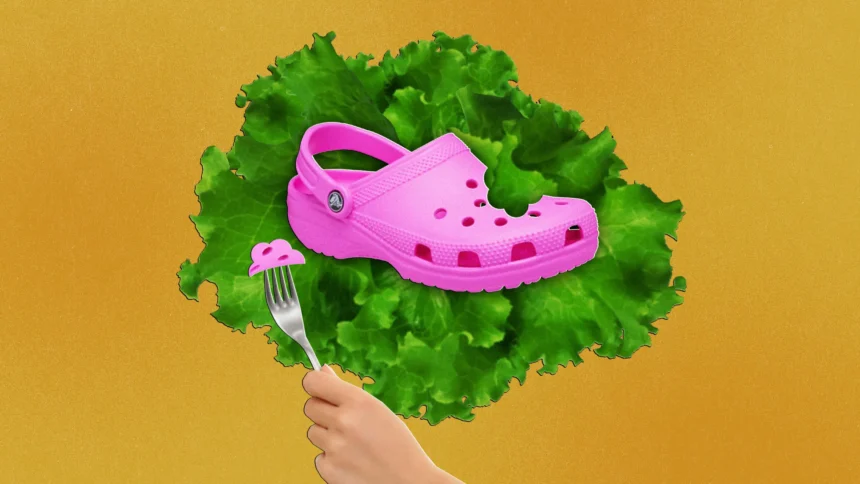
The world is no stranger to bizarre food rumors and strange culinary questions. From the idea of eating bugs for protein to the myths about exotic meats, people are often curious about what can and can’t be eaten. One question that has surfaced on the internet is, “can you eat crocs?” It’s an odd-sounding question, but it’s worth exploring the origins, implications, and truth behind this idea. In this article, we will delve into the subject, discuss the material of Crocs, and look at whether it’s safe or even possible to eat one.
What Are Crocs Made Of?
Before we dive into the question of whether you can eat Crocs, it’s essential to first understand what Crocs are made from. Crocs are a popular brand of casual footwear, well-known for their comfort and durability. They are made from a proprietary foam resin called Croslite, which gives them their soft, lightweight, and flexible characteristics.
Croslite is a type of closed-cell resin that is durable, waterproof, and easy to clean. It’s often compared to foam, but it is technically a type of plastic. While Croslite is a polymer, it is not a food-grade material and is certainly not designed for consumption.
Can You Eat Croslite?
The short answer to “Can you eat Crocs?” is no. While it might be tempting to entertain the idea of eating your favorite pair of Crocs out of curiosity, Croslite is not a food product and should not be ingested. Here’s why:
Croslite is Not Food-Grade Material
Croslite, the material that makes up Crocs, is not meant to be consumed. While it is non-toxic and safe for skin contact, it is not designed to be ingested. It’s made for creating durable and comfortable shoes, not for human consumption. There is no nutritional value in Croslite, and eating it could lead to digestive issues or other health problems.
Potential Health Risks
Ingesting materials that aren’t designed to be eaten, like Croslite, could potentially lead to health complications. The human digestive system isn’t designed to break down plastic or foam-like substances. If someone were to chew or swallow parts of a Croc, it could cause an obstruction in the digestive tract, leading to discomfort, nausea, or even more serious medical emergencies.
It’s also important to remember that Crocs are manufactured with dyes, adhesives, and other chemicals that are safe for external use but not meant to be consumed. These chemicals could cause adverse reactions if ingested.
No Known Nutritional Benefits
Even if Croslite were somehow safe to eat, it wouldn’t offer any nutritional benefits. Unlike food items that provide essential nutrients like vitamins, protein, and fiber, Croslite is made purely for the purpose of making shoes. Consuming it would not provide any calories or nourishment that the body needs to function properly.
Why Do People Ask if You Can Eat Crocs?
Given that Crocs are made of a non-food-grade material and are not designed to be eaten, why does this question arise? There are a few potential reasons why people may ask whether you can eat Crocs, some of which are rooted in humor, urban legends, and internet culture.
Internet Memes and Humor
The question of eating Crocs has gained some traction online, often as part of internet humor or memes. The bizarre and outlandish nature of the question makes it a popular topic for people to discuss and joke about. As with other viral internet topics, people tend to push the boundaries of normal conversation, sometimes posing ridiculous or exaggerated questions to entertain others. This has likely contributed to the widespread interest in the idea of eating Crocs.
Exotic Food Culture
In some cultures, there is a long tradition of eating exotic animals or unusual foods. Some people, out of curiosity, might wonder whether something as seemingly harmless as a plastic shoe could be edible. While eating inedible items has been a long-standing part of human culture (think of eating insects or bizarre meats), it’s important to note that these foods are often carefully prepared for consumption. Eating non-food items like Crocs falls under the category of pica, a condition where people have a compulsion to eat non-food substances, which can have harmful consequences.
Shock Value and Curiosity
Sometimes, strange or odd questions are asked simply because they provoke a reaction. The thought of eating a pair of shoes is jarring and unexpected, which makes it a perfect topic for people who want to get attention or spark curiosity. Asking, “Can you eat Crocs?” is an example of a question that is outlandish enough to make people stop and think, even if just for a moment.
What Happens If You Accidentally Swallow a Part of a Croc?
If you accidentally swallow a small part of a Croc, such as a piece of the foam or a piece of the strap, it’s important to stay calm. Here’s what to do if you find yourself in this situation:
Do Not Panic
Swallowing a small piece of Croc may not immediately cause serious harm, but it could lead to a choking hazard or digestive discomfort. If you or someone else accidentally swallows part of a Croc, the first step is to stay calm.
Contact a Doctor or Poison Control
If the item swallowed is a small piece of foam or plastic, it will likely pass through the digestive system without causing harm. However, if the object is larger or causes pain or difficulty breathing, you should immediately contact a healthcare professional or call a poison control center.
Watch for Symptoms
If the swallowed object does not cause immediate harm, monitor for any symptoms such as stomach pain, nausea, or difficulty swallowing. If these symptoms arise, seek medical attention right away.
Can You Eat Crocs in a Literal Sense (As a Joke)?
There are also jokes circulating on social media about the idea of eating Crocs as part of a comedic challenge. These challenges often involve people attempting to “eat” inedible items for shock value or entertainment. While these challenges might seem humorous, they are not advisable due to the risks involved in consuming non-food substances.
Why Are People So Attached to Crocs?
Despite the fact that Crocs are not edible, they have become an iconic brand, with millions of fans around the world. Here are a few reasons why people love Crocs and continue to buy them:
Comfort and Versatility
One of the main reasons Crocs have become so popular is their comfort. Made from Croslite, Crocs are lightweight, flexible, and comfortable to wear for extended periods. The shoes are also waterproof, making them suitable for various activities like gardening, walking, or casual outings.
Customizable and Fashionable
Crocs allow for a lot of personal expression. Many people enjoy customizing their Crocs with colorful charms known as Jibbitz. This feature has made Crocs a trendy footwear choice for people of all ages, from kids to adults.
Durability and Easy Maintenance
Crocs are easy to clean and extremely durable. Whether you’re walking through mud, sand, or rain, Crocs hold up well in various conditions. They are known for their long lifespan, even after years of wear.
Alternatives to “Eating” Crocs
If you’re looking for something more adventurous to eat, there are many edible products and exotic foods that can be enjoyed safely. From edible insects to exotic fruits from different parts of the world, the culinary world is filled with exciting and safe options for those interested in trying new things.
Edible Insects
In some parts of the world, insects like crickets and mealworms are a common source of protein. These bugs are not only safe to eat but are also an environmentally sustainable food source. In fact, edible insects are becoming more popular in Western cuisine due to their nutritional benefits and low environmental impact.
Exotic Fruits
Fruits like durian, jackfruit, and rambutan are exotic options that can be safely eaten and provide unique flavors and textures. These fruits are often sought after by food enthusiasts who are looking to experience different tastes.
Conclusion: Can You Eat Crocs?
In conclusion, while the question “can you eat crocs?” may have become a humorous or bizarre topic in internet culture, the answer is no. Crocs are made from Croslite, a durable material designed for shoes, not for consumption. Eating Crocs could pose health risks, and there are no nutritional benefits to doing so.
Instead, if you’re curious about unusual foods, there are many safe and exciting options out there to explore. Crocs may be comfortable footwear, but they are not food, and it’s best to stick to more traditional food sources for your health and safety.