Hematocrit is a term that often flies under the radar, yet it holds significant importance in our overall health. It’s easy to overlook how crucial this measurement can be until we realize its implications on our well-being. High hematocrit levels can lead to a range of health issues, making it essential for everyone to understand what they are and why they matter.
If you’re curious about how to lower hematocrit or simply want to stay informed about your health, you’ve come to the right place. In this blog post, we’ll delve into what hematocrit really means, explore the factors that contribute to elevated levels, and discuss effective strategies for managing them. Whether you’re looking for dietary tips or medical treatments, we’ve got you covered with actionable insights that can help keep your blood healthy and balanced. Let’s get started!
Understanding Hematocrit and its Importance
Hematocrit is a measurement of the proportion of red blood cells in your blood. Expressed as a percentage, this value indicates how efficiently your body transports oxygen.
Understanding hematocrit is crucial because it reflects overall health. A balanced level ensures that organs and tissues receive adequate oxygen to function optimally.
When hematocrit is too high or too low, various complications can arise. High levels may indicate dehydration or conditions like polycythemia vera, while low levels could signal anemia or nutritional deficiencies.
Regular monitoring can provide insights into underlying health issues. It serves as an indicator for doctors to assess your cardiovascular health and overall well-being, making it an important aspect of routine medical check-ups.
Factors that Can Increase Hematocrit Levels
Several factors can lead to increased hematocrit levels in the blood. One significant contributor is dehydration. When the body lacks sufficient fluids, blood becomes more concentrated, resulting in higher hematocrit readings.
Living at high altitudes also plays a role. In low-oxygen environments, the body compensates by producing more red blood cells to enhance oxygen delivery, which elevates hematocrit levels.
Certain medical conditions can be involved as well. Conditions like polycythemia vera cause an overproduction of red blood cells directly impacting hematocrit rates.
Additionally, lifestyle choices such as smoking and excessive alcohol consumption may contribute to elevated levels by affecting overall blood health.
Regular physical activity impacts how your body manages red blood cell production too. Intense training or endurance sports often stimulate an increase in these cells temporarily as part of adaptation strategies.
Risks of High Hematocrit Levels
High hematocrit levels can pose serious health risks. When the blood becomes too thick, it can lead to complications such as hypertension. Elevated blood pressure puts strain on your heart and arteries.
Increased risk of thrombosis is another concern. This condition involves the formation of blood clots, which can obstruct blood flow in vital areas like the brain or lungs. Such blockages may trigger strokes or pulmonary embolisms.
Moreover, high hematocrit levels are linked to increased cardiovascular events. The heart has to work harder against thicker blood, which raises the chances of heart attacks over time.
Chronic conditions such as sleep apnea and certain tumors might also contribute to elevated hematocrit levels. Thus, addressing these underlying issues is crucial for managing overall health effectively.
Methods to Lower Hematocrit
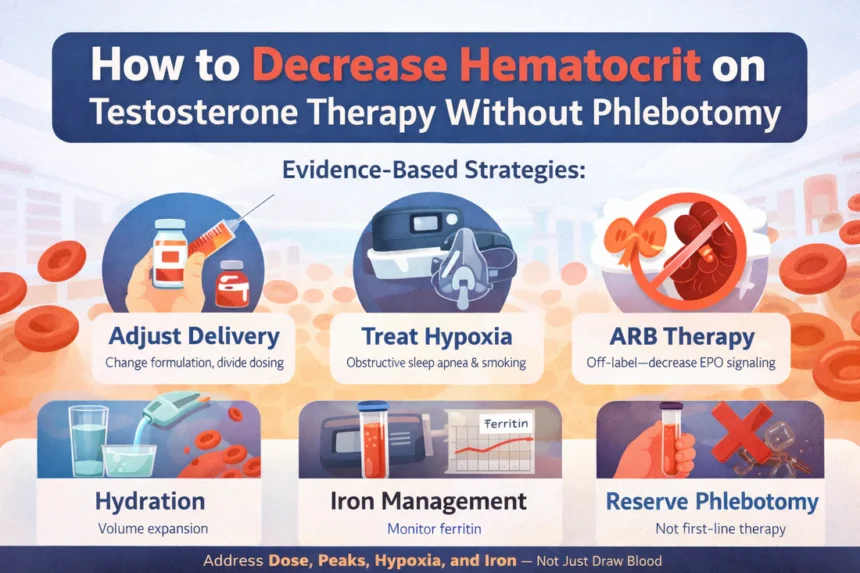
Lowering hematocrit levels can be approached through various methods tailored to individual needs. One effective technique is hydration. Drinking plenty of water helps dilute the blood, effectively reducing its viscosity.
Regular cardiovascular exercise plays a crucial role as well. Activities like jogging, cycling, or swimming improve circulation and promote overall heart health. This not only aids in managing hematocrit levels but also bolsters your fitness.
Avoiding substances that dehydrate the body is essential too. Limiting alcohol and caffeine intake can prevent unnecessary spikes in hematocrit levels.
In some cases, therapeutic phlebotomy may be recommended by healthcare professionals. This procedure involves drawing blood from the body to decrease red blood cell concentration.
Consider discussing herbal supplements with your doctor as well, as certain herbs are believed to influence blood properties favorably without causing harm.
Diet and Lifestyle Changes for Managing Hematocrit
A balanced diet plays a crucial role in managing hematocrit levels. Focus on incorporating plenty of fruits and vegetables into your meals. Foods rich in antioxidants, like berries and leafy greens, can be particularly beneficial.
Hydration is equally important. Drinking enough water helps maintain blood volume, which may assist in keeping hematocrit levels within a healthy range. Aim for at least eight glasses daily; adjust based on activity level and climate.
Exercise also contributes significantly to overall health. Regular cardiovascular activities such as walking, cycling, or swimming improve circulation and promote better oxygen delivery throughout the body.
Avoiding tobacco products is essential too. Smoking not only raises hematocrit but also poses numerous other health risks. Reducing alcohol intake can also make a difference since excessive consumption negatively affects hydration and blood viscosity.
Incorporating stress-reduction techniques like meditation or yoga may further support maintaining stable levels over time.
Medical Treatments for High Hematocrit
When lifestyle changes and dietary adjustments aren’t enough, medical treatments may be necessary to lower hematocrit levels. One common approach is therapeutic phlebotomy. This procedure involves the removal of a certain volume of blood from the body, effectively reducing red blood cell concentration.
Another option is medication that targets underlying conditions causing elevated hematocrit. For instance, if polycythemia vera is diagnosed, doctors might prescribe drugs like hydroxyurea to suppress bone marrow activity.
In some cases, addressing related health issues—such as heart or lung diseases—can help manage hematocrit levels indirectly. It’s crucial for patients to have regular check-ups so healthcare providers can monitor their condition accurately and adjust treatment plans accordingly.
Always consult with a healthcare professional before starting any new treatment strategy for high hematocrit levels. Tailored approaches yield better outcomes based on individual health needs and circumstances.
Monitoring and Maintaining Healthy Hematocrit Levels
Monitoring hematocrit levels is essential for overall health. Regular blood tests can provide insights into your body’s condition. These checks help identify any fluctuations that might indicate underlying issues.
Keeping track of your hydration status plays a pivotal role. Dehydration can falsely elevate hematocrit levels, so drinking enough water daily is vital. Hydration helps maintain the right balance in your bloodstream.
Lifestyle choices also impact these levels significantly. Engaging in routine physical activity promotes healthy circulation and supports proper oxygen transport, which contributes to balanced hematocrit readings.
Consider using home monitoring devices for convenience. Some tools allow you to check certain parameters without frequent lab visits. However, always consult with healthcare professionals regarding any concerns or changes noted during self-monitoring efforts.
Staying informed about dietary influences is equally important. Foods rich in iron and antioxidants support healthier blood composition and may aid in maintaining optimal hematocrit levels over time.
Conclusion
Managing hematocrit levels is crucial for overall health. Understanding what influences these levels can empower you to take proactive steps. With the right blend of lifestyle changes, dietary adjustments, and medical interventions when necessary, you can effectively lower your hematocrit.
Regular monitoring plays a vital role in maintaining balance. Collaborating with healthcare professionals ensures that you’re on the right track. Staying informed about your body’s needs allows for better decision-making regarding your health.
Embrace a healthy lifestyle today to support optimal hematocrit levels tomorrow. Your body will thank you as you navigate this journey towards improved well-being and vitality.