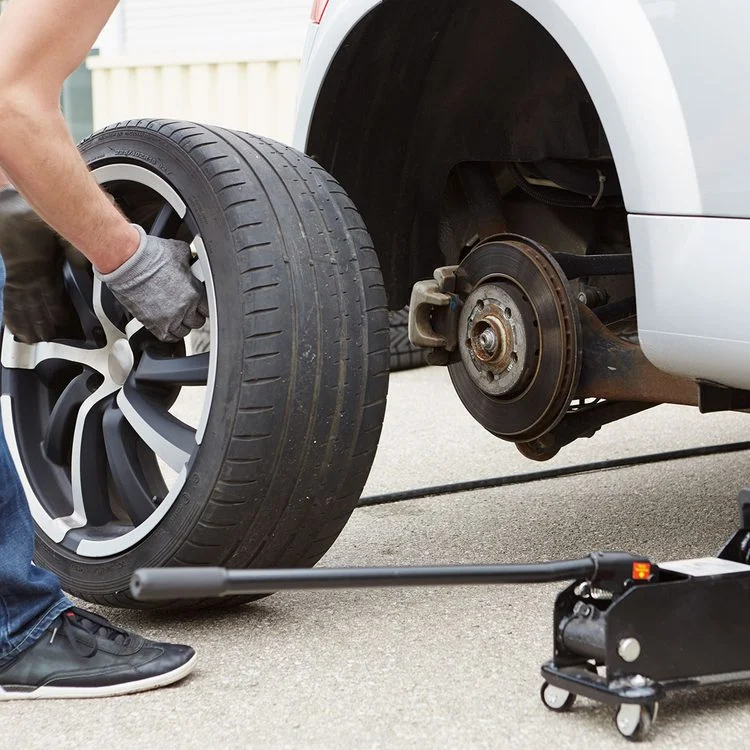
Changing a tire is one of those essential life skills every driver should know. Whether you’re dealing with a flat tire or need to replace an old one, knowing how to change a tire can save you time, money, and stress. In this guide, we’ll walk you through the process step-by-step, ensuring that even beginners can perform this task confidently.
Why You Should Know How to Change a Tire
Before diving into the details, let’s briefly discuss why knowing how to change a tire is so important. A flat tire is one of the most common car problems, and it can occur unexpectedly. Whether you’re on a road trip, commuting to work, or just running errands, you may encounter this issue at any time.
By learning how to change a tire, you can:
-
Save money on towing or roadside assistance
-
Avoid being stranded in potentially unsafe locations
-
Gain a sense of self-reliance and confidence while driving
What You’ll Need to Change a Tire
Before you begin, ensure you have all the necessary tools. Here’s a list of what you’ll need:
-
Spare tire – Make sure it’s in good condition and properly inflated.
-
Jack – A car jack is essential to lift the vehicle.
-
Lug wrench – This tool is used to remove and tighten the lug nuts that hold the tire in place.
-
Wheel wedges – These prevent your car from rolling while jacking it up.
-
Car owner’s manual – It’s important to refer to your vehicle’s manual for specific instructions on how to jack up your car and other relevant details.
-
Flashlight – If you’re changing the tire at night, a flashlight will help you see clearly.
-
Gloves – Protect your hands while working with tires and tools.
Now that you’ve gathered your tools, let’s get started.
Step-by-Step Guide on How to Change a Tire
Changing a tire is a straightforward process, but safety should always come first. Follow these steps carefully to ensure the job is done safely and effectively.
Prepare for the Change
The first thing you should do is ensure your safety. Follow these preparations:
-
Park in a safe area: Choose a flat, level surface to park your car. Avoid parking on hills, gravel, or uneven surfaces.
-
Turn on your hazard lights: This alerts other drivers that you’re having a problem and are not in motion.
-
Apply the parking brake: Always engage the parking brake to keep the car stationary.
-
Place wheel wedges: Place wheel wedges behind the wheels that are opposite of the flat tire. For example, if the flat tire is at the front, place the wedges behind the back tires.
Loosen the Lug Nuts
Before jacking up the car, you need to loosen the lug nuts that hold the tire in place. Here’s how to do it:
-
Use the lug wrench to turn each lug nut counterclockwise. You don’t need to remove them completely yet—just loosen them enough so that they can be easily removed later. It’s usually a good idea to loosen the nuts in a crisscross pattern to ensure even pressure.
-
Be sure to use your body weight if the lug nuts are difficult to loosen.
Step 3: Lift the Car with the Jack
Now that the lug nuts are loosened, it’s time to lift the car off the ground:
-
Position the jack: Look for the jacking point on your vehicle. It’s usually located near the car’s frame or in your owner’s manual. Position the jack beneath this point.
-
Lift the car: Pump the jack handle to raise the car until the flat tire is about 6 inches off the ground. Make sure the car is stable and balanced while it’s raised.
Remove the Lug Nuts and Flat Tire
With the car raised, it’s time to remove the lug nuts and take off the flat tire:
-
Remove the lug nuts: Finish removing the loosened lug nuts completely. Keep them in a safe place, as you’ll need them to install the new tire.
-
Take off the flat tire: Grip the tire with both hands and pull it straight off the wheel hub. Set it aside, as you won’t need it anymore unless you’re putting it back on.
Install the Spare Tire
Now that the flat tire is off, it’s time to install the spare tire:
-
Align the spare tire: Align the holes of the spare tire with the wheel hub bolts. Push the tire onto the hub until it’s securely in place.
-
Hand-tighten the lug nuts: Place the lug nuts back onto the bolts and hand-tighten them as much as possible. Don’t use the wrench yet—just get them in place.
Lower the Car
With the spare tire on and the lug nuts in place, it’s time to lower the car:
-
Slowly lower the car: Use the jack to slowly lower the car back to the ground. Once the tire is resting on the ground, remove the jack.
-
Tighten the lug nuts: Use the lug wrench to tighten the lug nuts in a crisscross pattern. Ensure each lug nut is tight and secure, as this will keep the tire firmly in place.
Double-Check and Clean Up
After the tire change is complete, perform these final checks:
-
Check the tire pressure: Make sure the spare tire is properly inflated. You can use a tire pressure gauge or visit a nearby gas station to inflate it if needed.
-
Store your tools: Put away the jack, lug wrench, wheel wedges, and other tools. Don’t forget to store the flat tire in your trunk if you plan to repair it later.
-
Check the lug nuts one last time: It’s a good idea to check the lug nuts once you’ve driven a short distance, just to make sure they haven’t loosened up.
Tips for Maintaining Your Tires
After you’ve learned how to change a tire, here are a few tips to keep your tires in good condition and prevent flats from happening too often:
-
Inspect your tires regularly: Check for any visible damage, such as cracks or worn-out tread.
-
Rotate your tires: Rotating your tires every 6,000 to 8,000 miles helps them wear evenly and extends their lifespan.
-
Keep your tires properly inflated: Under-inflated tires can cause faster wear and increase the risk of a blowout.
-
Avoid overloading your vehicle: Carrying too much weight can strain your tires and cause them to wear out prematurely.
Conclusion
Knowing how to change a tire is a valuable skill that can help you in times of need. By following this step-by-step guide, you’ll be able to confidently handle a flat tire on your own. Remember to always prioritize safety, and keep your tools and spare tire in good condition for emergencies. With a little practice, tire changes will become second nature, and you’ll be prepared for any unexpected situation on the road.