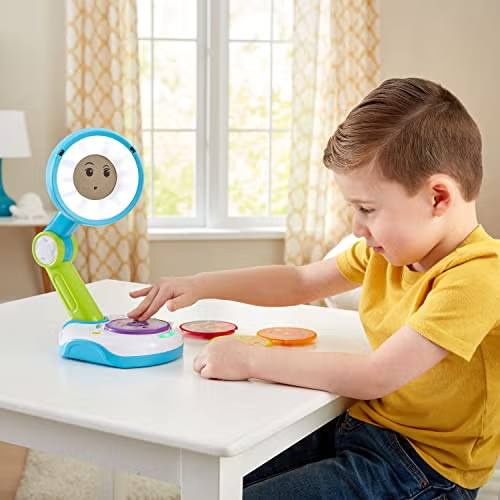
The best toys for 3-year-olds help them practise skills they are developing at this age: running and balancing, using their hands, pretending, counting and talking. Three-year-olds are curious and active, so open-ended toys that can be used in many ways usually last longer than ones that do one thing. This guide groups toy ideas by the skill they build and explains what to check for safety.
What 3-year-olds are learning
- Movement: running, jumping, climbing, pedalling and balancing.
- Hand skills: holding crayons, threading, stacking and using simple tools.
- Language: longer sentences, questions and storytelling.
- Imagination: pretend play and acting out everyday routines.
- Early thinking: sorting, matching, counting and simple puzzles.
- Social skills: taking turns and playing alongside other children.
Best toy ideas by skill
Active play and gross motor skills
- Balance bikes, trikes and scooters with three wheels, used with a properly fitted helmet
- Soft balls, bean bags and a low basketball hoop
- Low climbing frames, tunnels and stepping stones
- Ride-on toys that a child can propel with their feet
Fine motor skills and creativity
- Chunky crayons, washable markers and a big pad of paper
- Play dough with safe tools and cutters
- Large threading beads and lacing cards (with supervision)
- Stickers, safety scissors and simple craft kits
Building and problem solving
- Wooden or large plastic building blocks
- Chunky jigsaw puzzles with 12 to 24 pieces
- Shape sorters and stacking toys
- Large interlocking bricks with simple models
Pretend play
- Play kitchens, play food and tea sets
- Dolls, soft toys and a doll’s pram
- Doctor, vet or tool kits
- Dress-up clothes, shop sets and toy vehicles
Early learning and language
- Picture books, rhyming stories and lift-the-flap books
- Simple board games for turn-taking, such as matching or colour games
- Counting toys, number puzzles and alphabet puzzles
- Musical instruments such as shakers, drums and xylophones
Quiet and sensory play
- Water play and sand play toys
- Sensory bins, with close supervision
- Magnetic drawing boards and sticker books
- Audio stories or a quiet corner for books
How to choose a good toy
- Check the age label. Look for a suitable age range, and remember that labels are based on safety as well as skill.
- Choose open-ended toys. Blocks, art supplies and dolls can be used in many ways as a child grows.
- Look for sturdy construction. Toys should survive being dropped, thrown and chewed.
- Think about storage and space. Fewer, better toys are easier to keep tidy.
- Match the child’s interests. Vehicles, animals, music and art can all be built into learning.
- Consider second-hand or sharing. Check the condition and safety marks.
Toy safety for 3-year-olds
- Small parts: toys for children under 3 must not have small parts, and many 3-year-olds still put things in their mouths. Keep small parts away from younger siblings.
- Button batteries and magnets: swallowing either can be very dangerous. Choose toys with secure battery compartments and keep loose magnets and button cells out of reach. Seek urgent medical help if a child may have swallowed one.
- Safety marks: in the UK, look for the UKCA or CE mark on toys, and buy from reputable sellers.
- Cords and strings: avoid long cords that could cause strangulation.
- Supervision: supervise craft materials, water play and ride-on toys.
- Inspect regularly: throw away toys that are broken, cracked or have sharp edges.
What to avoid
- Toys with small parts or loose magnets for homes with children under 3
- Very loud toys that can harm hearing
- Toys that are too advanced and likely to cause frustration
- Too many screen-based toys, which can crowd out active and imaginative play
Frequently asked questions
What is a good toy budget for a 3-year-old?
There is no required amount. Simple, open-ended toys such as blocks, crayons and play dough are often inexpensive and used for years.
Are screen toys suitable?
Limit screen time and prefer toys that encourage movement, talking and imagination.

How many toys does a 3-year-old need?
Fewer toys, rotated regularly, often keep children more interested than a large pile.
What is the best gift for a 3-year-old?
A balance bike, a building set, a play kitchen or a stack of picture books are popular and useful gifts. The best choice depends on the child’s interests.
Summary
The best toys for 3-year-olds support movement, hand skills, imagination and early learning. Choose sturdy, open-ended toys, check age labels and safety marks, watch for small parts, batteries and magnets, and let the child’s interests guide you.