In recent years, IVF has become a beacon of hope for many couples struggling with infertility. While IVF success rates have steadily increased with advances in medical technology, the latest breakthrough, Preimplantation Genetic Testing (PGT) is now transforming the landscape of fertility treatments. PGT allows doctors to screen embryos for genetic abnormalities before they are implanted in the uterus, significantly enhancing the chances of a healthy pregnancy.
This technology is particularly beneficial for couples who may have a history of genetic disorders or for women undergoing IVF at an older age, as it helps in identifying and selecting the healthiest embryos for transfer. With the increasing number of people turning to IVF for conception, PGT is gaining recognition for its ability to improve success rates and minimize the risk of passing on hereditary conditions. If you’re looking for expert guidance, working with one of the best IVF doctors in India can ensure you’re making the most of PGT technology to achieve a healthy pregnancy.
For those interested in how technology influences health outcomes, you might find it helpful to understand why fitness enthusiasts need a wireless food thermometer, a trend that highlights how technology improves personal care.
Understanding Preimplantation Genetic Testing (PGT)
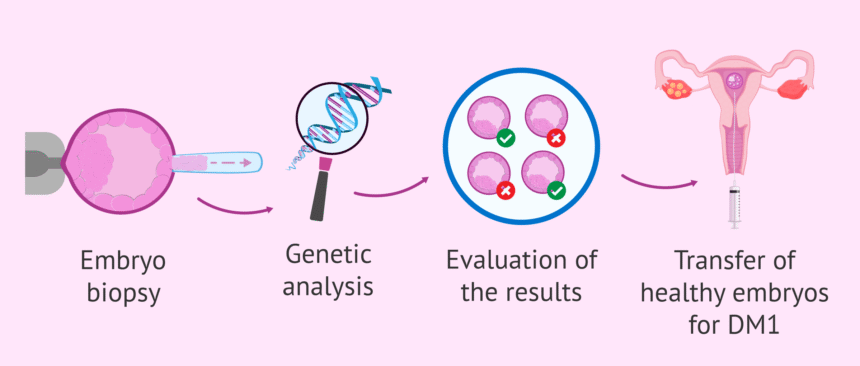
Preimplantation Genetic Testing (PGT) is a form of genetic screening used in conjunction with IVF to test embryos for genetic abnormalities before implantation. It involves extracting a small number of cells from each embryo after fertilization and analyzing them for specific genetic traits. There are several types of PGT, each designed to detect different types of genetic issues.
One of the most common forms of PGT is PGT-A (Preimplantation Genetic Testing for Aneuploidy), which screens embryos for chromosomal abnormalities. This test can identify conditions such as Down syndrome, trisomy 13, and trisomy 18, which occur when there is an extra chromosome. Another type, PGT-M (Preimplantation Genetic Testing for Monogenic disorders), is used to detect specific genetic conditions that can be inherited, such as cystic fibrosis, sickle cell anemia, and Huntington’s disease.
PGT is typically performed after fertilization but before the embryo is implanted in the uterus. The embryos are cultured for several days, and a few cells are biopsied from each embryo. These cells are then analyzed for genetic abnormalities. Once the screening results are in, the embryos that are free of genetic disorders are selected for transfer, while those with significant genetic issues are discarded.
The Growing Popularity of PGT in IVF
As IVF continues to evolve, PGT is becoming an increasingly popular option for couples undergoing fertility treatments. One of the main reasons for this growth is the improvement in IVF success rates. When IVF is combined with PGT, the likelihood of a successful pregnancy increases because the embryos transferred into the uterus are more likely to be healthy.
For couples with a history of genetic disorders, PGT offers a way to prevent the transmission of those conditions to their children. Parents who carry genes for certain hereditary diseases can opt for PGT to ensure that the embryos selected for implantation do not carry these genetic conditions. This is particularly important for individuals undergoing IVF who are concerned about the risk of passing on debilitating genetic disorders.
Another factor contributing to the rise of PGT is its potential to reduce the number of failed IVF cycles. IVF can be emotionally and financially draining, especially for couples who undergo multiple rounds of treatment. By screening embryos for genetic issues early on, PGT helps ensure that only the healthiest embryos are implanted, thus improving the chances of success in each cycle.
The Impact of PGT on IVF Success Rates
One of the most significant benefits of PGT is its impact on IVF success rates. Traditional IVF relies on selecting the most viable embryos from a batch of fertilized eggs, but there is no way to guarantee that an embryo will be free of genetic abnormalities. Even with careful monitoring and assessment, embryos can still carry genetic issues that may lead to miscarriage or failure to implant.
With PGT, however, doctors can select embryos that are chromosomally normal and free of genetic defects, significantly improving the chances of a successful pregnancy. Research has shown that PGT increases IVF success rates, particularly for women over 35, who are at higher risk of producing embryos with chromosomal abnormalities. In fact, studies have demonstrated that PGT can reduce the risk of miscarriage and increase the likelihood of a live birth, especially in older women.
Moreover, PGT also minimizes the chances of multiple pregnancies, which can be risky for both the mother and the babies. By screening embryos and selecting the healthiest ones, doctors can transfer a single embryo, reducing the need for multiple embryos and lowering the risk of multiple births.
PGT and Its Role in Reducing Genetic Disorders
For many couples, one of the most compelling reasons to choose PGT is the ability to reduce the risk of genetic disorders. Inherited genetic conditions can have a profound impact on a child’s life, often leading to lifelong medical challenges. For parents who carry genes for these conditions, PGT provides a way to avoid passing them on to their offspring.
For instance, PGT-M is particularly useful for couples who are carriers of monogenic disorders, such as cystic fibrosis or Tay-Sachs disease. By screening embryos for these conditions, doctors can ensure that only embryos that are not affected by these genetic disorders are implanted. This not only helps prevent the birth of children with serious health issues but also offers peace of mind to parents concerned about the risks of passing on genetic conditions.
In addition, PGT-A helps identify embryos with chromosomal abnormalities that are linked to conditions such as Down syndrome, which can have a significant impact on a child’s development. By selecting embryos that are free from such abnormalities, PGT ensures that only the healthiest embryos are transferred, reducing the risk of miscarriage and increasing the chances of a healthy pregnancy.
The Ethical Considerations of PGT
While PGT has many benefits, it also raises some ethical questions. One of the main concerns is the potential for “designer babies.” PGT allows parents to select embryos based on specific genetic traits, which could lead to the possibility of selecting embryos for non-medical reasons, such as gender or physical appearance. While many fertility clinics strictly limit the use of PGT to medical conditions, the possibility of using genetic screening for non-medical traits remains a subject of debate.
Another ethical concern is the issue of embryo selection. PGT leads to the disposal of embryos that are found to carry genetic defects, which some individuals consider to be a form of genetic discrimination. However, proponents argue that the technology is designed to help reduce the number of children born with serious genetic disorders and improve the overall success rates of IVF, benefiting both the parents and the children.
The Future of PGT in IVF
The future of Preimplantation Genetic Testing looks promising, with advancements in technology continually improving the accuracy and efficiency of the process. As sequencing technology becomes more refined, it is likely that PGT will become even more accessible and widely used in IVF clinics worldwide.
In addition, research into expanding the types of genetic disorders that can be detected through PGT is ongoing. As the scope of PGT expands, more and more couples will have the opportunity to benefit from this technology, making IVF an even more effective solution for couples facing infertility.
Conclusion: PGT – A Revolutionary Advancement in IVF
Preimplantation Genetic Testing (PGT) has revolutionized the field of IVF, offering a way to ensure healthier pregnancies and reduce the risk of genetic disorders. As IVF continues to evolve, PGT stands out as one of the most important advancements in assisted reproduction. By improving success rates, reducing the risk of genetic conditions, and offering a more personalized approach to fertility, PGT is helping countless couples achieve their dream of parenthood.
For couples undergoing IVF, opting for PGT can significantly improve the chances of a healthy pregnancy, and with continued advancements, it’s likely that this technology will become an integral part of fertility treatments in the future. With PGT, couples no longer need to face the uncertainty of genetic disorders, and IVF can offer a much higher probability of success in starting their families.And for more knowledge related to food, you can read here: https://itsreleased.co.uk/why-fitness-enthusiasts-need-a-wireless-food-thermometer/