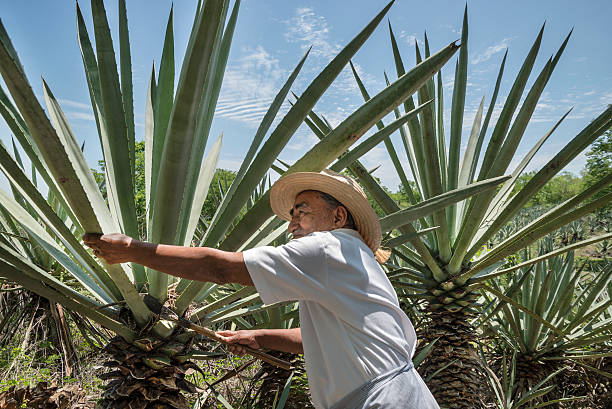
Sisal is a fascinating natural fiber that’s been making waves in eco-friendly circles. With its unique texture and remarkable durability, sisal has carved out a niche for itself in various industries. But what exactly makes this plant so special? From its rich history to its modern-day applications, there’s much more to sisal than meets the eye. Whether you’re an environmental enthusiast or just curious about sustainable materials, understanding sisal can open up new perspectives on how we interact with our planet. Let’s dive into the origins of this incredible fiber, explore its many uses, and uncover why it’s gaining popularity as an environmentally friendly choice.
History and Origins of Sisal
Sisal has a rich history that dates back centuries. It originates from the agave plant, specifically Agave sisalana, which is native to Mexico. The indigenous peoples of this region recognized its strength and durability long before its commercial applications emerged.
By the late 1800s, sisal began to gain popularity as a fiber for ropes and twines. Its introduction in Brazil marked a significant turning point for the industry. The country became one of the largest producers globally due to favorable growing conditions.
As trade expanded, so did its uses. Sisal found its way into various products like carpets and textiles. Its versatility made it an essential resource during both World Wars when synthetic fibers were scarce.
Today, sister’s story continues as we discover more about sustainable practices surrounding this remarkable natural fiber.
Common Uses of Sisal
Sisal is a versatile natural fiber that finds its way into countless applications. One of the most recognizable uses is in rope-making. Its strength and durability make it ideal for marine ropes, agricultural ties, and even climbing gear.
Beyond ropes, sisal also shines in the world of textiles. It’s woven into carpets, rugs, and mats that add an earthy touch to home decor. The coarse texture offers excellent grip underfoot while being eco-friendly.
In agriculture, sisal fibers are used for making twine and baling materials. This helps secure crops during transportation without harming the environment.
Craft enthusiasts love using sisal for a variety of projects too. From decorative crafts to DIY furniture ideas, its unique look adds character to any creation. With so many uses, it’s clear why this fiber has stood the test of time in various industries.
Benefits for the Environment
Sisal is not just a versatile fiber; it also boasts impressive environmental benefits. As a natural product, sisal is biodegradable, making it an eco-friendly alternative to synthetic fibers.
The cultivation of sisal requires minimal chemical inputs. This means less pollution and a reduced impact on local ecosystems. Farmers often use traditional farming methods that support biodiversity.
Moreover, sisal plants are drought-resistant. They thrive in arid conditions where other crops may fail. This resilience helps maintain soil health and prevents erosion, promoting sustainable land use.
Additionally, the production of sisal contributes to carbon sequestration. The plants absorb carbon dioxide from the atmosphere during their growth cycle, aiding in climate change mitigation efforts.
By choosing products made from sisal, consumers can support environmentally responsible practices while enjoying high-quality materials that last.
Sustainable Farming Practices and Production
Sisal farming thrives on sustainable practices that protect the environment. Farmers cultivate sisal in arid regions, requiring minimal water and avoiding lush ecosystems.
Crop rotation plays a vital role in maintaining soil health. By alternating sisal with other crops, farmers enhance biodiversity and prevent pests from settling in one area.
Additionally, the use of organic fertilizers enriches the soil without harming surrounding flora and fauna. This practice also reduces chemical runoff into local waterways, benefiting aquatic life.
Farmers often rely on traditional techniques passed down through generations. These methods emphasize harmony with nature rather than aggressive industrial practices.
Furthermore, many growers are adopting agroforestry principles by integrating trees into their fields. This approach improves air quality while providing shade for workers and wildlife alike.
By prioritizing these sustainable strategies, sisal production not only meets market demands but also contributes positively to global ecological efforts.
Alternatives to Sisal
When looking for alternatives to sisal, several natural fibers can step in. Jute is a popular choice, often used in textiles and packaging. Its soft texture makes it suitable for various crafting projects.
Hemp is another strong contender. Known for its durability, hemp fiber is utilized in ropes and eco-friendly products. It’s also gaining traction in the fashion industry.
Cotton remains a staple, favored for its comfort and versatility. Organic cotton offers an environmentally friendly option without sacrificing quality.
Coir, derived from coconut husks, provides excellent water resistance. It’s ideal for mats or outdoor applications where moisture might be an issue.
Each of these alternatives brings unique qualities to the table while offering sustainable choices that align with eco-conscious values. Exploring them could lead to innovative uses across different industries.
Conclusion
Sisal is more than just a versatile natural fiber. Its rich history, ranging from its origins in Mexico to its widespread adoption around the globe, showcases the adaptability and practicality of this remarkable plant. The various applications—ranging from textiles to composites—highlight sisal’s importance across industries.
Moreover, sisal’s environmental benefits cannot be overstated. As a sustainable crop that requires minimal water and pesticides, it presents a promising alternative for eco-conscious consumers and businesses alike. The farming practices associated with sisal cultivation support biodiversity and contribute positively to soil health.
With viable alternatives available on the market, it’s essential for consumers to make informed choices regarding their materials. Sisal stands out not only for its utility but also as a prime example of how we can engage with nature responsibly.
As interest in sustainability grows, embracing fibers like sisal can lead us toward greener living without compromising quality or functionality. Whether you are considering new projects or simply interested in sustainable materials, exploring what sisal has to offer is worth your time.