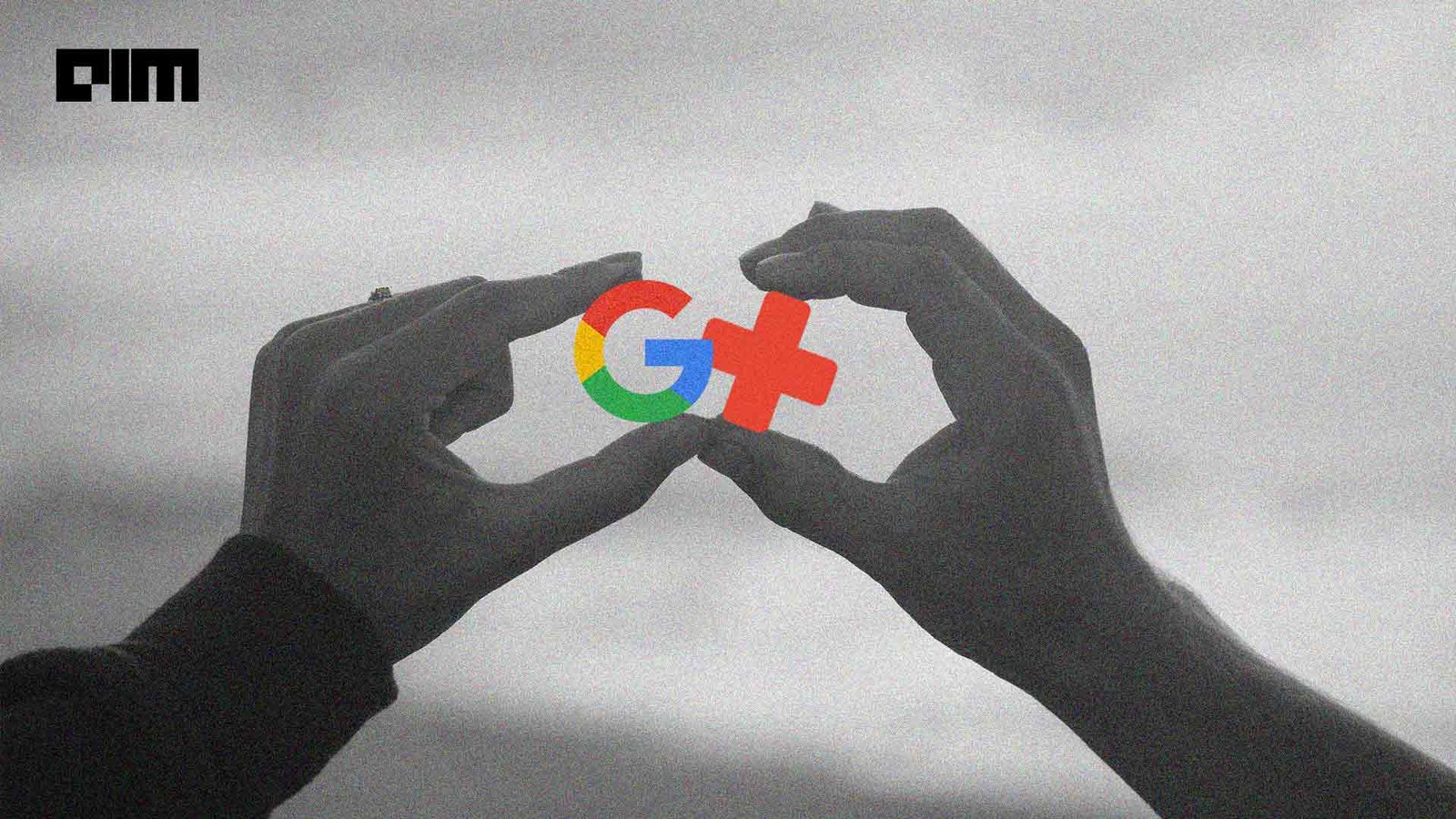
The term “Unbanned G+” has gained renewed attention across search engines, forums, and online communities. Although Google+ as an official social network was shut down years ago, the phrase continues to appear in discussions related to account recovery, gaming platforms, and niche online communities. Therefore, understanding what “Unbanned G+” actually means is essential before acting on misleading claims or unsafe recovery methods.
This comprehensive guide explains the origins of G+, why bans occur, how “unbanning” works in different contexts, and how users can protect themselves moving forward.
Understanding the “G+” Term (All Contexts Explained)
Google+ (The Original Social Network)
Google+ was launched by Google in 2011 as a social networking platform designed to compete with Facebook. It introduced unique features such as Circles, Communities, and Hangouts. However, despite its integration with other Google services, adoption remained limited.

Eventually, Google officially shut down Google+ for consumers in April 2019. As a result, no official Google+ account can be restored today.
G+ in Gaming Platforms
In gaming communities, “G+” may refer to:
- Gamer-linked social profiles
- Community reputation systems
- Third-party forums using G+ branding
In these environments, bans are still active and reversible, depending on platform rules.
G+ in Specialized Communities or Tools
Some private networks, forums, or open-source platforms use the “G+” label to represent group-based social interaction. These are not affiliated with Google, but they may still enforce moderation policies and temporary bans.
More in Game
The Rise and Fall of Google+
Google+ experienced early success due to its connection with Gmail, YouTube, and Google Search. However, over time, user engagement declined. While developers and niche communities appreciated the platform, mainstream adoption never reached critical mass.
Additionally, Google’s frequent strategy changes confused users, which ultimately weakened trust in the platform.
Why Google+ Was Shut Down
Privacy and Data Security Issues
A major reason behind Google+’s shutdown was the discovery of a data exposure bug. Although Google stated there was no evidence of misuse, the risk itself damaged credibility.
Low User Engagement
Despite millions of registered accounts, active daily usage was minimal. Consequently, maintaining the platform became inefficient.
Strategic Shift by Google
Google decided to focus resources on core products such as Search, Android, YouTube, and Workspace tools, leading to the permanent closure of Google+.
What “Unbanned” Really Means
The term “unbanned” is often misunderstood. In reality, it can mean:
- A temporary suspension lifted
- A successful appeal approved
- Access restored on a third-party platform
However, it does not mean Google+ itself has returned. Any website claiming to “restore your Google+ account” is misleading.
Is Google+ Really Back? The Revival Narrative
Many websites and forums claim that Google+ has been revived. In truth, these are:
- Community-run alternatives
- Look-alike platforms
- Misleading marketing pages
None of them are officially owned or supported by Google.
Features in Rebooted or Alternative G+ Platforms
Community Circles and Groups
Most alternatives replicate Google+ Circles by allowing users to organize connections into groups.
Privacy-Focused Posting
Unlike mainstream social media, many G+-style platforms emphasize content control and privacy.
Decentralized or Open-Source Models
Some platforms operate on decentralized networks, allowing communities to self-govern rather than rely on corporate moderation.
Why Accounts Get Banned (Common Reasons)
Violation of Terms of Service
Posting prohibited content or abusing platform features often leads to bans.
Spam or Automated Behavior
Using bots, automation tools, or mass posting scripts is a major red flag.
Inactivity or Dormant Accounts
Some platforms suspend accounts after long periods of inactivity.
Security and Suspicious Logins
Unusual login locations or compromised accounts may trigger automatic bans.
Step-by-Step Guide to Getting Unbanned
Step 1: Identify the Ban Reason
Carefully read the suspension notice or moderator message.
Step 2: Gather Supporting Evidence
Collect screenshots, activity logs, and proof of compliance.
Step 3: Contact Support or Moderators
Use official channels only. Avoid third-party “recovery services.”
Step 4: Write an Effective Appeal
Be polite, honest, and concise. Acknowledge mistakes if applicable.
Step 5: Wait and Follow Up Professionally
Repeated messages may delay the process, so patience is essential.
How to Prevent Future Bans
Follow Platform Rules Strictly
Always review updated policies.
Avoid Automation Abuse
Manual engagement is safer and more authentic.
Maintain Healthy Interaction
Avoid spam-like behavior and controversial language.
Secure Your Account
Use strong passwords and two-factor authentication.
Ethical and Legal Considerations
Attempting to bypass bans through fake accounts or tools may violate laws and platform terms. Therefore, ethical compliance is always the safest option.
Can G+-Style Platforms Make a Comeback?
While Google+ itself will not return, its core ideas—interest-based communities and content control—are influencing modern platforms. As users demand privacy and meaningful interaction, niche networks may continue to grow.
The Future of “G+” Platforms
Future platforms inspired by G+ will likely:
- Focus on privacy
- Serve smaller communities
- Avoid ad-driven engagement traps
This shift reflects changing user expectations.
Final Thoughts
In conclusion, Unbanned G+ is a term rooted in nostalgia, misunderstanding, and modern platform moderation. While Google+ is permanently closed, the concept lives on through alternative platforms and community-driven networks. By understanding bans, recovery processes, and ethical practices, users can safely navigate today’s digital communities without falling for false claims.