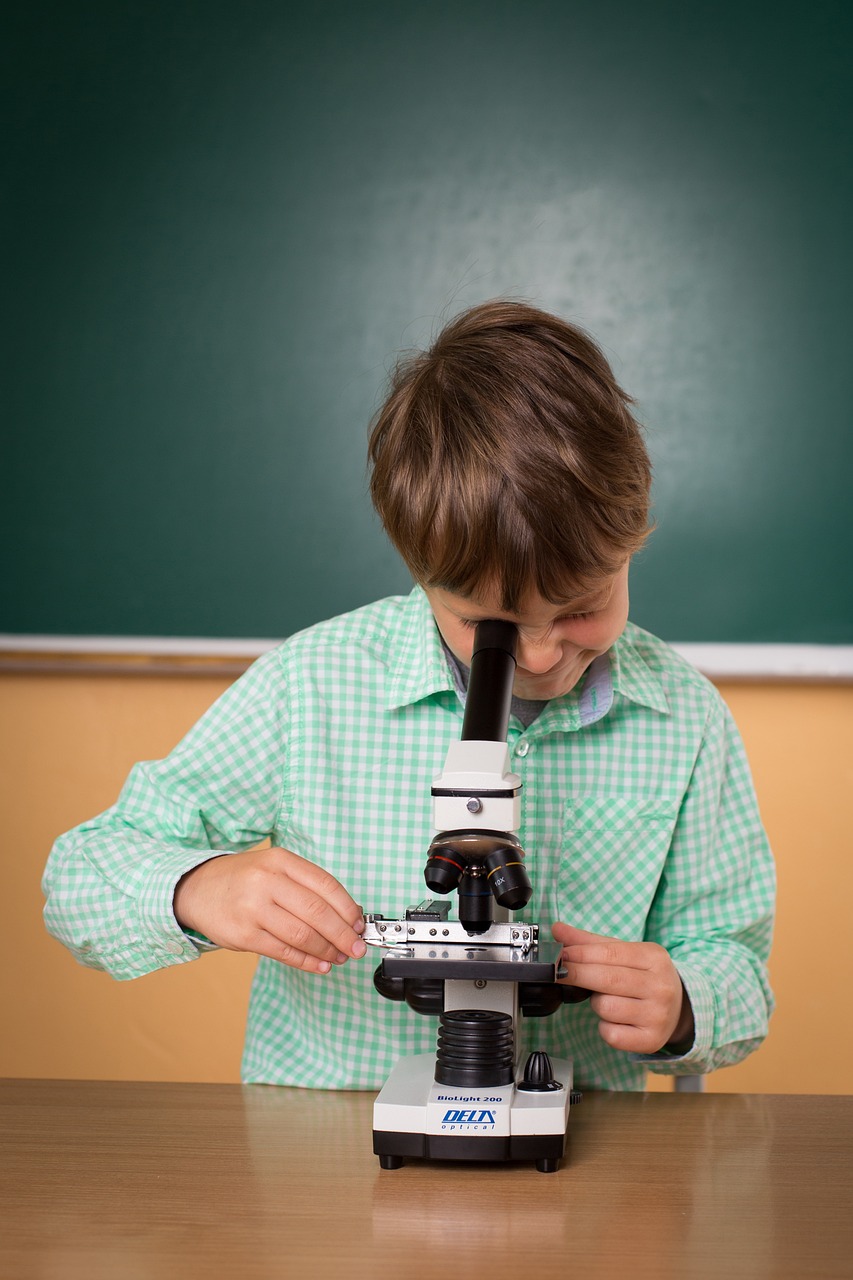
In the realm of science education, the infusion of innovative tools and platforms is revolutionizing traditional teaching methods, making complex concepts more accessible and engaging for students. From interactive simulations and virtual labs to online resources and collaborative platforms, technology empowers educators to create immersive learning experiences that spark curiosity and foster critical thinking.
As we explore the pivotal role of technology in shaping science education, it becomes clear that these advancements enhance understanding and inspire the next generation of scientists and innovators. Let’s delve deeper!
Interactive Learning Tools and Training
Interactive learning tools are now transforming the teaching landscape, as they facilitate comprehension and encourage active participation among students. The use of engaging platforms allows educators to present intricate ideas through various formats that align with different learning styles. Many online resources like the PASCO Portal online platform provide access to a wealth of resources, enabling both teachers and students to undertake exciting experiments virtually. These technologies are designed to create a collaborative environment where learners can share insights and discoveries.
Virtual Laboratories
No longer do science students need to rely solely on textbooks and lectures to grasp difficult concepts. Thanks to technology, virtual labs now offer a glimpse into real-world applications of scientific principles.
Students can interact with 3D models and simulations, conduct experiments, analyze data, and draw conclusions without leaving the classroom. The virtual laboratory experience also provides the added benefit of reducing potential safety hazards associated with traditional lab settings.
Augmented and Virtual Reality
In the scientific realm, augmented and virtual reality technologies are making it possible for students to explore the wonders of the universe from their desks. These immersive experiences offer a deeper understanding of complex scientific concepts, allowing students to interact with virtual objects and environments in real time.
These technologies also enable students to collaborate on projects remotely, breaking down geographical barriers and fostering teamwork skills. Imagine a physics class where students can virtually manipulate objects in space or a biology lesson where they can observe the intricate systems of living organisms from a completely new perspective.
Gamification
Gamification, the application of game design elements in non-game contexts, is another promising technology that is reshaping science education. By incorporating game-like elements such as challenges, levels, and rewards into learning activities, educators can make topics more engaging and increase student motivation.
Especially if you are teaching younger students, gamification can be an effective way to introduce complex scientific concepts in a fun and interactive manner. It also encourages self-paced learning and allows for personalized education experiences.
Data Analysis and Visualization Tools
Data analysis and visualization tools are integral to the modern science education landscape so that students and educators can interpret complex data effectively. The use of software like Excel, R, or Python might be ideal for learners to engage in hands-on analysis that fosters critical thinking and enhances their understanding of scientific inquiry.
Visualization tools help transform abstract data into clear and meaningful images, making patterns and trends easier to identify. Know that these tools can also help students develop technical skills that are highly sought after by employers.
Accessibility in Learning
For students who may face physical or learning challenges, technology removes barriers to science education. Thanks to assistive tools and platforms, learners can access resources in a format that works best for them. Students can even connect with their peers and educators from any location, expanding opportunities for learning beyond the traditional classroom setting. People facing disabilities can also engage with augmented reality and virtual reality platforms, making science education more inclusive and fun.
Artificial Intelligence and Machine Learning
Artificial intelligence and machine learning technologies offer exciting opportunities for students to engage in scientific inquiry. Students can use these tools to analyze data, make predictions, and understand complex systems, showcasing the potential of AI applications in higher education.
By incorporating AI and machine learning into science education, students develop essential skills such as critical thinking, problem-solving, and adaptability. These technologies also allow students to explore new frontiers in scientific research and innovation by simulating real-world scenarios.
The advancements in technology will continue to shape the future of science education. Some emerging trends include incorporating artificial intelligence and machine learning into learning platforms, harnessing the power of big data analysis in scientific research, and using virtual reality for real-time fieldwork experiences.
As technology continues to evolve at a rapid pace, it is up to educators to adapt and embrace these tools to enhance their teaching methods continually. With technology’s aid, we can create a generation of scientifically literate individuals who are equipped with the skills and knowledge needed to tackle global challenges and drive innovation forward.