
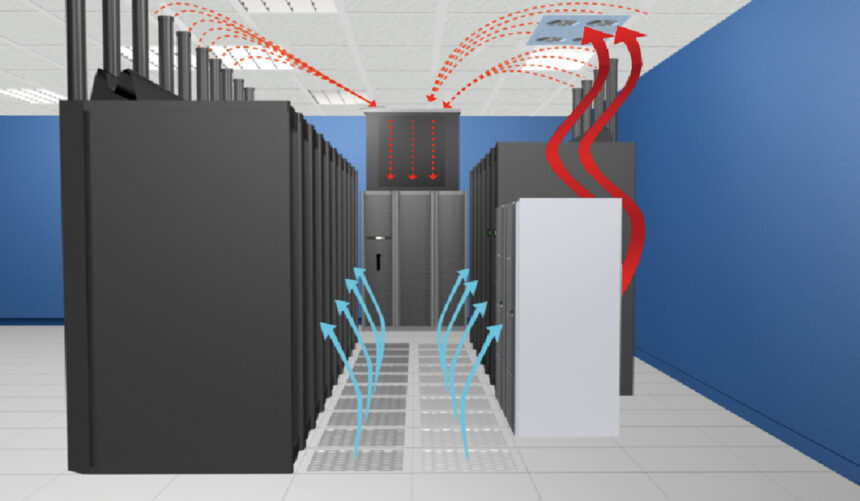
Data centers are the backbone of our digital world. They house servers, store vast amounts of data, and support countless applications that keep businesses running smoothly. But there’s one critical element that often flies under the radar: cooling technology. The importance of maintaining optimal temperatures cannot be overstated; without effective cooling systems like CRAC units (Computer Room Air Conditioning), these facilities risk overheating, equipment failure, and costly downtime.
As technological demands escalate, traditional CRAC units face significant challenges in efficiency and scalability. Thankfully, innovation is on the horizon. New advancements promise to transform how we approach data center cooling—making it more efficient than ever before. Let’s explore what lies ahead for CRAC units and discover how emerging technologies will shape the future of this essential industry component.
The Importance of Cooling in Data Centers
Cooling in data centers is crucial for maintaining performance and reliability. Servers generate immense heat while processing data. Without effective cooling solutions, this heat can lead to equipment malfunctions or even complete system failures.
The consequences of overheating extend beyond hardware damage. They can result in downtime that disrupts services and negatively impacts business operations. A single outage may cost companies thousands, if not millions, of dollars.
Moreover, as technology evolves, so do the demands placed on these facilities. Higher density computing generates more heat than ever before. This makes it essential to adopt advanced cooling strategies that ensure optimal operating conditions.
Efficient cooling also plays a role in energy consumption. In an era where sustainability matters more than ever, optimizing cooling systems reduces both costs and environmental impact—making it a win-win for businesses and the planet alike.
Challenges with Traditional CRAC Units
Traditional CRAC units, while essential for cooling data centers, face significant challenges. They often struggle to keep up with increasing heat loads generated by modern servers. As technology advances, the demand for efficient cooling has surged.
Energy consumption is another major concern. Standard CRAC systems can use excessive power, leading to high operational costs and environmental impact. This inefficiency raises questions about sustainability efforts in the tech industry.
Moreover, traditional crac unit have limitations in airflow management. Hot spots frequently occur when cold air fails to reach critical components effectively. This can lead to equipment overheating or reduced lifespan of sensitive hardware.
Maintenance issues also plague conventional systems. Regular upkeep is necessary but often neglected due to cost or time constraints, leading to further inefficiencies and potential failures over time.
These factors highlight a pressing need for innovative solutions in data center cooling technology.
Introduction of New Cooling Technologies
The evolution of data center cooling is upon us. Traditional CRAC units have served their purpose, but innovative technologies are stepping into the spotlight.
New systems focus on energy efficiency and optimal performance. They aim to address rising demands for processing power while minimizing environmental impact.
One notable advancement is modular cooling solutions. These can be easily scaled up or down based on real-time needs, ensuring that facilities adapt to changing workloads without wasting resources.
Moreover, smart technology integration allows for enhanced monitoring and control. Operators can now track temperature fluctuations and air distribution with unprecedented precision.
As these new cooling technologies emerge, they promise not only improved efficiency but also long-term cost savings for operators looking to future-proof their data centers. The industry is evolving rapidly, making way for smarter strategies in maintaining crucial infrastructure.
Liquid Cooling: A More Efficient Alternative
Liquid cooling is transforming the landscape of data center thermal management. Unlike traditional CRAC units that rely on air, this innovative approach uses liquid to absorb and transfer heat more effectively.
Because liquids can carry heat away from components faster than air, systems run cooler and more efficiently. This translates into lower energy consumption and reduced operational costs for businesses.
Additionally, liquid cooling setups require less physical space. With a smaller footprint, data centers can maximize their server density without sacrificing performance or safety.
The technology also opens doors for better temperature control. Precise monitoring allows operators to maintain optimal conditions tailored to specific workloads.
As organizations look for sustainable solutions, liquid cooling stands out as a viable option that balances efficiency with environmental responsibility.
Direct-to-Chip Cooling: The Next Frontier
Direct-to-chip cooling represents a significant leap forward in data center heat management. This technology aims to address the intense thermal demands of modern processors, which traditional CRAC units often struggle to meet.
By targeting cooling directly at the chip level, this method uses liquid coolant that flows over the components. It ensures efficient heat removal without relying solely on ambient air circulation. As a result, energy consumption drops while performance can soar.
This innovative approach also opens doors for higher-density computing environments. With chips running cooler and more effectively, data centers can pack in more processing power without overheating issues.
As industries increasingly require faster processing speeds and greater reliability, direct-to-chip cooling stands out as an essential solution for future developments in infrastructure design. The transformative potential here could redefine how we think about data center efficiency and capacity planning.
Benefits of Upgrading to New CRAC Units
Upgrading to new CRAC units can significantly enhance the efficiency of your data center. Modern designs offer better energy management, which translates into lower operational costs.
These advanced units often come equipped with smart technology that allows for real-time monitoring. This feature aids in predictive maintenance, reducing downtime and extending equipment life.
Another key advantage is improved cooling performance. Enhanced airflow distribution ensures optimal temperatures across all critical hardware components, minimizing the risk of overheating.
Sustainability is also a major factor. Newer models use eco-friendly refrigerants and consume less power, aligning with green initiatives many companies are pursuing today.
Moreover, these upgrades can add scalability to your operations. As businesses grow and their computing needs expand, newer CRAC systems can adapt more easily than older counterparts.
Considerations for Implementing New Cooling Technology
Implementing new cooling technology in data centers involves several critical considerations. First, evaluate the infrastructure. Existing setups may require modifications to accommodate advanced systems like liquid or direct-to-chip cooling.
Cost is another key factor. Initial investment might be higher for cutting-edge solutions, but long-term savings on energy and maintenance can justify the expense.
Consider staff training as well. Teams need familiarity with innovative technologies to ensure smooth operations and troubleshoot potential issues effectively.
Regulatory compliance shouldn’t be overlooked either. New systems must meet industry standards and local regulations to prevent legal complications down the line.
Think about scalability. As your data center grows, will these new cooling methods adapt easily? Future-proofing your choice ensures continued efficiency as demands increase over time.
Future Predictions and Industry Outlook
The future of CRAC units is set to evolve rapidly as data centers continue to expand. Innovations in cooling technology will likely lead the way, addressing energy efficiency and rising costs.
We can expect a shift towards hybrid systems that combine traditional air conditioning with advanced liquid cooling solutions. This integration promises better temperature regulation across diverse hardware configurations.
Sustainability will also drive change. The industry is moving toward greener technologies, reducing environmental impact while improving performance metrics.
As AI and machine learning become more prevalent, predictive analytics may optimize cooling management in real time. These advancements could significantly enhance operational efficiencies.
The industry’s trajectory points toward more adaptive, intelligent systems that cater to the ever-growing demands of modern computing environments. Adapting early might give businesses a competitive edge in this dynamic landscape.
Conclusion
As we look to the future, the evolution of CRAC units and cooling technologies in data centers is both exciting and essential. With advancements like liquid cooling and direct-to-chip systems becoming more mainstream, organizations can achieve greater energy efficiency while maintaining optimal operating conditions for their critical infrastructure.
The shift away from traditional CRAC units not only addresses pressing challenges related to energy consumption but also enhances equipment reliability. As businesses rely increasingly on robust IT solutions, investing in innovative cooling technology becomes a strategic imperative.
Furthermore, embracing these new technologies promises significant cost savings over time. While the initial transition may require thoughtful planning and investment, the long-term benefits speak volumes about resilience and sustainability within data center operations.
Keeping an eye on industry trends will help professionals stay ahead of potential challenges while capitalizing on opportunities that arise with these innovations. The journey toward advanced cooling solutions is just beginning; those who adapt quickly will surely thrive in this dynamic landscape.

