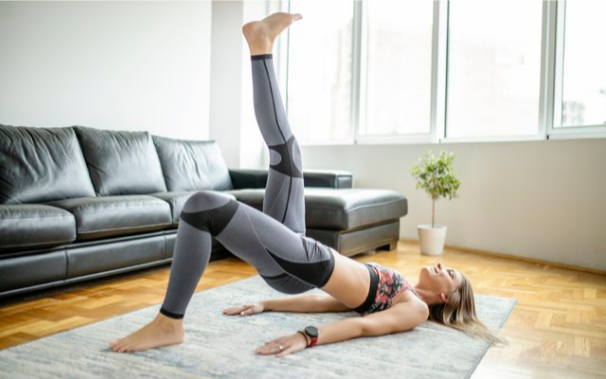
The best workout underwear keeps you dry, stays in place and does not chafe, whether you are running, lifting, cycling or doing yoga. Look for a moisture-wicking synthetic or merino blend, flat seams, a fit that does not ride up or bunch, and a style suited to your sport. Everyday cotton underwear is usually a poor choice for exercise because it holds sweat and can rub.
What to look for in workout underwear
- Moisture management: fabric that pulls sweat away from the skin and dries quickly.
- Fit: snug enough to stay put and reduce friction, but not so tight that it digs in or restricts movement.
- Seams: flat, bonded or seamless construction reduces rubbing, especially on long runs.
- Waistband and leg bands: flexible, wide enough not to cut in, and with grip so they do not roll.
- Breathability: mesh panels or lightweight fabric help with ventilation.
- Support: the right amount for your body and activity.
Best fabrics for workout underwear
| Fabric | Good for | Watch out for |
|---|---|---|
| Polyester or nylon with elastane | Quick drying, stretch and durability for most sports | Can hold odour over time, so wash promptly |
| Merino wool blends | Temperature regulation and odour resistance for hiking, running and cold weather | Usually costs more and needs gentler care |
| Bamboo viscose or modal blends | Softness for low-impact exercise and everyday wear | Dries more slowly than synthetics |
| Cotton | Casual, low-sweat activity | Absorbs and holds moisture, which can cause rubbing |
Styles to choose from
For men
- Boxer briefs: the most popular choice for running and the gym, because the longer leg reduces thigh chafing.
- Trunks: a shorter leg for those who find longer legs ride up or feel hot.
- Briefs and sports briefs: light and minimal, good for hot weather or under tight shorts.
- Compression shorts: extra support for intense training or contact sports, often worn under looser shorts.
For women
- Seamless briefs or hipsters: a smooth fit under leggings and shorts.
- Thongs and cheekies: less fabric for those who dislike visible lines, with a flat waistband.
- Boyshorts: longer legs to reduce thigh rubbing.
- Compression or bike-style shorts: support for high-impact exercise and long sessions.
Choosing by activity
- Running: lightweight, moisture-wicking and seamless. Boxer briefs or hipsters with flat seams limit chafing.
- Weightlifting and gym: secure, stretchy fabric that stays in place through squats and lunges.
- Cycling: padded cycling shorts are designed to be worn without regular underwear, so check the manufacturer’s advice.
- Yoga and Pilates: soft, seamless underwear that is not visible through leggings and does not shift.
- Hot weather or hot yoga: very breathable, quick-drying fabrics and minimal coverage.
- Cold weather: merino or thermal-lined options.
How to check the fit
- Try them on, then squat, lunge and raise a knee to see whether they ride up or bunch.
- Check that the waistband is flat and not digging in.
- Check that the leg bands stay put without leaving deep marks.
- Make sure the seams do not rub in places where you sweat most.
- If you can, test a pair on a short workout before buying several.
How to care for workout underwear
- Wash after every wear. Sweat and bacteria build up in damp fabric.
- Follow the care label and wash with a sports-friendly detergent.
- Avoid fabric softener, which can coat synthetic fibres and reduce their wicking ability.
- Air dry or use a low heat setting, because high heat can break down elastane.
- Replace pairs when they stretch out, hold odour after washing or begin to cause chafing.
How to prevent chafing and irritation
- Wear fabrics designed for exercise, not damp cotton.
- Change out of sweaty clothes soon after finishing.
- Use an anti-chafe balm on areas that rub on long runs or rides.
- If you have ongoing irritation or a rash that does not clear, speak to a doctor or pharmacist.
Frequently asked questions
Should you wear underwear under gym shorts?
It depends on the shorts. Many running shorts have a built-in liner, so you do not need extra underwear. For unlined shorts, wear moisture-wicking underwear.
Is cotton underwear bad for working out?
Cotton is fine for light activity, but it holds moisture and can rub during longer or sweatier sessions, so synthetics or merino are generally a better choice.

How often should I replace workout underwear?
Replace it when it loses elasticity, stays smelly after washing or starts to cause irritation, which for many people is every year or so with regular use.
What is the best fabric for running?
A lightweight polyester or nylon blend with elastane is a common choice because it wicks sweat and dries quickly. Merino suits colder or longer runs.
Summary
For workout underwear, prioritise moisture-wicking fabric, a secure fit and flat seams. Match the style to your sport, wash pairs after every wear and replace them when they stop doing their job. Try a few styles to find what is comfortable for your body and your activity.