The telecommunications industry is one of the most dynamic and rapidly evolving sectors in the world today. With the advent of 5G, IoT (Internet of Things), and other advanced technologies, the demand for reliable, high-performance communication systems has never been greater. At the heart of these systems lies a critical component: the Printed Circuit Board (PCB). Telecom PCB assembly plays a pivotal role in ensuring that communication devices and infrastructure function seamlessly, enabling the transmission of data, voice, and video across vast networks. This article delves into the intricacies of telecom PCB assembly, its importance, challenges, and the technologies driving its evolution.
The Role of PCBs in Telecommunications
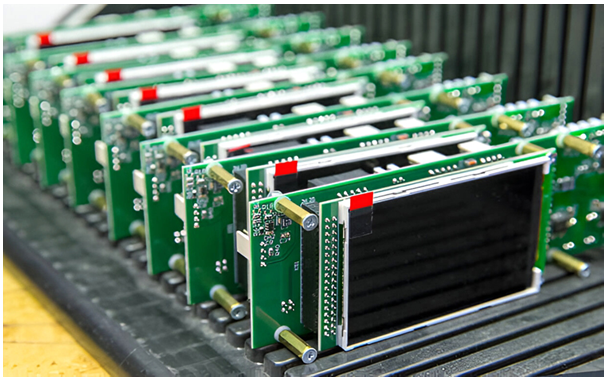
PCBs are the foundation of virtually all electronic devices, and telecommunications equipment is no exception. In the telecom sector, PCBs are used in a wide range of applications, from smartphones and routers to base stations and satellite communication systems. These boards provide the necessary electrical connections between components, ensuring that signals are transmitted accurately and efficiently.
Telecom PCBs are designed to handle high-frequency signals, which are essential for wireless communication. They must also be capable of operating in harsh environments, such as extreme temperatures, humidity, and electromagnetic interference. As a result, the design and assembly of telecom PCBs require a high degree of precision and expertise.
Key Considerations in Telecom PCB Assembly
- High-Frequency Materials: Telecom PCBs often operate at high frequencies, which necessitates the use of specialized materials. Traditional FR-4 materials, commonly used in standard PCBs, may not be suitable for high-frequency applications due to their dielectric properties. Instead, materials like Rogers, Teflon, or ceramic-filled PTFE (Polytetrafluoroethylene) are used to minimize signal loss and ensure optimal performance.
- Multilayer PCBs: Telecom devices often require complex circuitry, which is achieved through the use of multilayer PCBs. These boards consist of multiple layers of conductive material separated by insulating layers, allowing for more intricate designs and higher component density. Multilayer PCBs are essential for accommodating the numerous components and connections required in modern telecom equipment.
- Signal Integrity: Maintaining signal integrity is crucial in telecom PCB assembly. Any degradation in signal quality can lead to data loss, reduced performance, or complete system failure. To ensure signal integrity, designers must carefully consider factors such as impedance matching, trace routing, and grounding. Advanced simulation tools are often used to model and optimize the PCB layout before manufacturing.
- Thermal Management: Telecom equipment generates significant heat, especially in high-power applications like base stations. Effective thermal management is essential to prevent overheating, which can damage components and reduce the lifespan of the PCB. Techniques such as the use of thermal vias, heat sinks, and thermally conductive materials are employed to dissipate heat and maintain optimal operating temperatures.
- Miniaturization: As telecom devices become smaller and more compact, the demand for miniaturized PCBs has increased. This trend is particularly evident in consumer electronics like smartphones and wearable devices. Miniaturization requires the use of advanced manufacturing techniques, such as high-density interconnect (HDI) technology, which allows for finer traces, smaller vias, and higher component density.
Challenges in Telecom PCB Assembly
Despite the advancements in PCB technology, telecom PCB assembly is not without its challenges. Some of the key issues faced by manufacturers include:
- Complexity: Telecom PCBs are often highly complex, with intricate designs and a large number of components. This complexity increases the risk of errors during assembly, which can lead to costly rework or product failures. To mitigate this risk, manufacturers must employ rigorous quality control processes and invest in advanced assembly equipment.
- High-Frequency Design: Designing PCBs for high-frequency applications requires specialized knowledge and expertise. Engineers must carefully consider factors such as signal propagation, electromagnetic interference, and impedance matching. Any mistakes in the design phase can result in poor performance or signal loss.
- Cost Pressure: The telecom industry is highly competitive, with constant pressure to reduce costs while maintaining high quality. This can be particularly challenging for PCB manufacturers, who must balance the need for advanced materials and technologies with the need to keep costs low. Efficient manufacturing processes and economies of scale are essential for achieving this balance.
- Supply Chain Issues: The global nature of the telecom industry means that PCB manufacturers often rely on a complex supply chain to source components and materials. Disruptions in the supply chain, such as those caused by geopolitical tensions or natural disasters, can lead to delays and increased costs. To mitigate these risks, manufacturers must maintain strong relationships with suppliers and have contingency plans in place.
Technologies Driving Telecom PCB Assembly
Several emerging technologies are shaping the future of telecom PCB assembly, enabling manufacturers to meet the growing demands of the industry. These include:
- 5G Technology: The rollout of 5G networks is driving significant changes in telecom PCB design and assembly. 5G requires PCBs that can handle higher frequencies, greater bandwidth, and more complex signal processing. This has led to the development of new materials, such as low-loss laminates, and advanced manufacturing techniques, such as laser drilling and direct imaging.
- IoT and Edge Computing: The proliferation of IoT devices and the rise of edge computing are creating new opportunities for telecom PCB manufacturers. These applications require PCBs that are compact, energy-efficient, and capable of processing large amounts of data in real-time. As a result, there is a growing demand for miniaturized, high-performance PCBs with integrated sensors and wireless connectivity.
- Automation and Industry 4.0: The adoption of automation and Industry 4.0 technologies is transforming the PCB assembly process. Automated assembly lines, powered by robotics and artificial intelligence, are increasing efficiency, reducing errors, and enabling faster production times. Additionally, the use of data analytics and machine learning is helping manufacturers optimize their processes and improve quality control.
- Sustainability: As environmental concerns become more prominent, there is a growing emphasis on sustainability in PCB manufacturing. This includes the use of eco-friendly materials, such as lead-free solder, and the adoption of energy-efficient manufacturing processes. Manufacturers are also exploring ways to recycle and reuse PCB materials, reducing waste and minimizing the environmental impact of their operations.
The Future of Telecom PCB Assembly
The future of telecom PCB assembly is bright, with continued advancements in technology driving innovation and growth. As the demand for faster, more reliable communication systems increases, so too will the need for high-quality PCBs. Manufacturers that can adapt to these changes, embrace new technologies, and overcome the challenges of the industry will be well-positioned to succeed in this competitive market.
One region that has emerged as a global leader in PCB manufacturing is China. With its robust infrastructure, skilled workforce, and cost-effective production capabilities, China has become a hub for PCB assembly China. The country’s ability to produce high-quality PCBs at scale has made it a preferred destination for telecom companies worldwide. As the telecom industry continues to evolve, China’s role in PCB assembly is likely to remain significant, driving innovation and shaping the future of communication technology.
In conclusion, telecom PCB assembly is a critical component of modern communication systems, enabling the seamless transmission of data, voice, and video across global networks. As the industry continues to evolve, manufacturers must navigate a range of challenges, from high-frequency design to supply chain disruptions, while embracing new technologies and sustainable practices. With its expertise and production capabilities, **PCB assembly China** is poised to play a key role in meeting the growing demands of the telecom industry, ensuring that communication systems remain reliable, efficient, and future-ready.