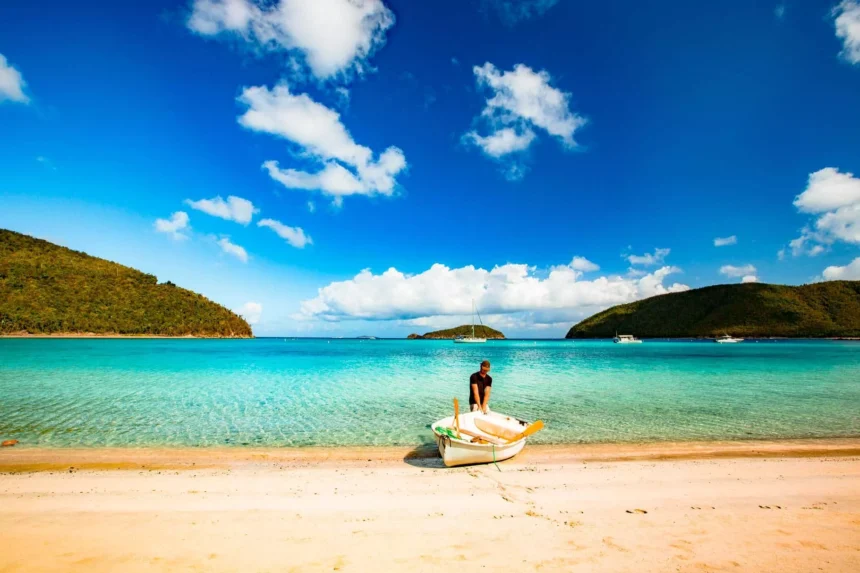
Introduction to the Virgin Islands
Imagine waking up to the sound of gentle waves lapping against the shore, with a warm breeze rustling through palm trees just outside your window. This is daily life in the Virgin Islands, where paradise feels like home. Nestled in the Caribbean Sea, these islands are not only breathtakingly beautiful but also rich in history and culture.
Living here offers a unique blend of vibrant local traditions and stunning natural landscapes. Whether you’re drawn by the alluring beaches or intrigued by island life’s rhythm, exploring the experience of living in the Virgin Islands invites you to discover what makes this tropical haven so captivating. From its friendly locals to mesmerizing sunsets, every day holds new adventures waiting to unfold. Let’s dive deeper into what it truly means to call this enchanting place home!
History and Culture of the Virgin Islands
The Virgin Islands boast a rich tapestry of history and culture, shaped by centuries of diverse influences. Originally inhabited by the Arawak and Carib peoples, these islands were later colonized by European powers, including Spain, France, Denmark, and Britain.
Each wave of settlers left an indelible mark on local traditions. African slaves brought their vibrant music and culinary practices, which still resonate today in festivals like Carnival. The blend of cultures is evident in everything from art to architecture.
Local cuisine reflects this diversity too. Dishes often feature fresh seafood with Caribbean spices that tell stories from generations past.
Language plays its part as well; English remains dominant but Creole adds flavor to everyday conversations. This fusion creates a unique identity that locals proudly share with visitors seeking authentic experiences in island life.
Top Places to Visit in the Virgin Islands
The Virgin Islands are a paradise brimming with breathtaking natural beauty and vibrant culture. Start your journey on St. Thomas, where you can explore Magens Bay Beach, known for its turquoise waters and soft sand.
Next, visit St. John, home to the Virgin Islands National Park. This gem offers lush trails and secluded beaches like Trunk Bay—perfect for snorkeling among colorful coral reefs.
Don’t miss Tortola’s Road Town, bustling with local shops and charming eateries. The views from Sage Mountain National Park showcase the stunning landscape of this island.
For a unique experience, take a ferry to Jost Van Dyke. Known for its laid-back atmosphere, it boasts world-renowned beach bars like Foxy’s and the famous White Bay.
Each destination has its own charm waiting to be discovered in this tropical haven.
Cost of Living in the Virgin Islands
Living in the Virgin Islands comes with its own financial landscape. Housing costs can be steep, especially near beaches or popular tourist spots. Rent for a modest apartment often exceeds what you might pay on the mainland.
Groceries and dining out also tend to be pricier due to import taxes. Fresh produce may not always be readily available, leading many residents to rely on larger grocery stores that stock international brands.
Utilities can add up too, particularly during the hotter months when air conditioning is essential. Internet services are sometimes limited, which affects options and pricing.
However, some expenses balance out with fewer transportation needs since many amenities are within walking distance or a short drive away. Exploring local markets can provide budget-friendly alternatives and a taste of island life.
Budgeting wisely will help navigate this unique cost structure while enjoying all the beauty these islands offer.
Pros and Cons of Living in the Virgin Islands
Living in the Virgin Islands offers a unique blend of paradise and challenges.
On the plus side, breathtaking beaches and crystal-clear waters are part of daily life. The warm climate ensures outdoor activities year-round, making it an ideal haven for nature enthusiasts.
Low crime rates contribute to a sense of safety that many people appreciate. A tight-knit community often means neighbors look out for one another.
However, there are considerations to keep in mind. The cost of living can be high due to imported goods and limited job opportunities outside tourism.
Accessing healthcare may require traveling off-island for specialized services, which can be inconvenient. Additionally, some residents find the pace of life slower than they’re used to, requiring adjustment.
Navigating these pros and cons is essential for anyone considering this island lifestyle.
Expat Life in the Virgin Islands
Living as an expat in the Virgin Islands is a unique adventure. The vibrant culture and stunning landscapes create a welcoming atmosphere for newcomers from all around the world.
Many expats quickly fall in love with the laid-back lifestyle. Days often revolve around beach visits, water sports, and community events. Meeting locals and fellow expatriates alike can lead to lasting friendships.
Language isn’t typically a barrier here; English is widely spoken alongside Creole dialects. This makes it easier for newcomers to jump right into local life.
The food scene is diverse, offering everything from fresh seafood to Caribbean delicacies. Trying out new restaurants or attending local festivals can add spice to daily routines.
Adjusting to island living may take time, but many find that the slower pace fosters deeper connections with their surroundings and people around them.
Tips for Moving to the Virgin Islands
Moving to the Virgin Islands can be thrilling. Start by researching local laws and regulations. Each island has its own set of rules that may affect your move.
Consider shipping options for your belongings. Shipping can take time, so plan ahead to avoid delays in settling down.
Embrace the local culture before you arrive. Familiarize yourself with traditions, cuisine, and community events to better integrate into island life.
Connect with locals through social media or online forums. This will help you build a support network right from the start.
Be prepared for a different pace of life. Things often move slower here than on the mainland, so patience is crucial during your transition.
Visit beforehand if possible. Spend some time exploring neighborhoods and amenities to find where you’d like to live permanently.
Conclusion
Living in the Virgin Islands offers a unique blend of natural beauty, rich culture, and a vibrant community. The history and traditions here are as colorful as the landscape itself, creating an environment that is both welcoming and captivating.
With stunning beaches, lush landscapes, and historic sites to explore, residents have plenty of options for recreation. However, it’s important to consider the cost of living. While some may find it high compared to other places, many believe that the lifestyle makes it worth every penny.
Like any place, there are pros and cons. The laid-back vibe can be incredibly appealing but comes with challenges like limited access to certain amenities or job opportunities in specific fields. Yet for expats who make this island paradise their home, there’s often a shared sense of adventure among those looking for something different.
Transitioning to life in the Virgin Islands can be smooth if you’re well-prepared. Understanding local customs and being open-minded about adjustments will certainly help ease your move.
Whether you dream of breathtaking sunsets over tranquil waters or simply yearn for a change from city life, exploring the experience of living in the Virgin Islands could lead you on an unforgettable journey filled with new discoveries.