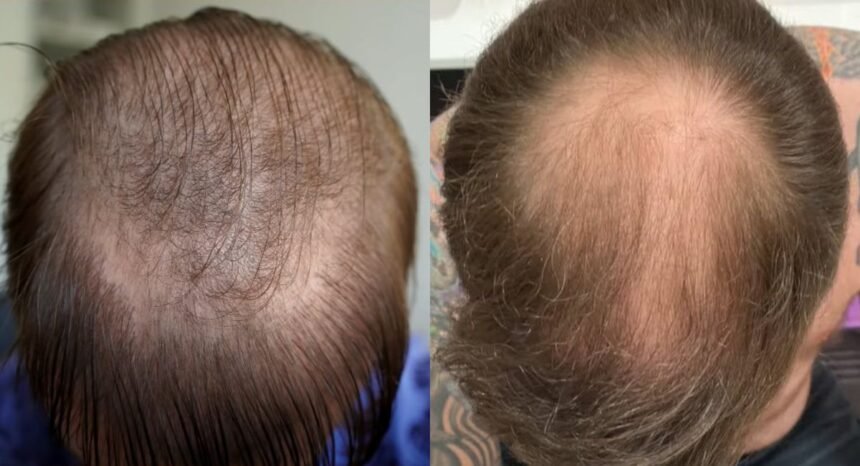
No, taking finasteride after a hair transplant is not required for every patient. Many people ask if you have to take finasteride after a hair transplant, and the short answer is that it depends on your hair loss pattern and treatment goals.
Doctors often recommend it because the medication lowers DHT and helps protect the hair that was not transplanted. This can help maintain stronger hair density and support better long term results. Your surgeon may suggest it as part of a broader plan to manage ongoing hair loss.
Key Takeaways
- You do not have to take finasteride after a hair transplant, but many doctors recommend it to help protect hair that was not transplanted and maintain overall scalp coverage.
- Finasteride works by lowering DHT levels, which helps slow male pattern baldness and supports stronger hair density around transplanted areas.
- The medication mainly protects native hair, while transplanted hair from the donor area is usually resistant to DHT and continues growing long term.
- Some patients choose alternatives such as topical finasteride, minoxidil, or other therapies if they prefer not to take oral medication or want to avoid potential side effects.
Why Finasteride Is Often Recommended After Hair Transplant Surgery
Finasteride is a common treatment for male pattern baldness. It works by lowering a hormone called dihydrotestosterone DHT, which damages sensitive follicles.
The medication blocks the enzyme 5-alpha reductase, which turns testosterone into DHT. When DHT levels drop, hair follicles shrink less and can keep producing thicker strands.
Because of this effect, many surgeons suggest finasteride for hair transplant existing hair. The goal is to protect the hair that was already on the scalp before surgery.
Doctors often recommend it because it can:
- Help prevent further hair loss
- Improve overall hair density
- Support stronger long term results
- Protect existing hair around transplanted grafts
- Maintain balance between transplanted and natural hair
These benefits are why medication is often discussed during post transplant care planning.
How Finasteride Protects Existing Hair
Many patients ask if they need finasteride after hair transplant because they want to protect the hair they still have. While transplanted grafts are usually permanent, nearby follicles can still weaken over time.
DHT slowly shrinks sensitive follicles. As this happens, the hair they produce becomes thinner and shorter.
Finasteride lowers DHT activity in the scalp. This helps promote hair growth and keeps follicles active longer.
By protecting nearby hair, the scalp can maintain fuller coverage around the transplanted area.
What Happens If You Do Not Take Finasteride
Some patients choose not to take medication after surgery. This decision does not harm the transplanted grafts from the donor area, but it may affect the rest of the scalp.
Hair loss may continue in areas where follicles remain sensitive to hormones. Over time, this may change how dense the hair looks.
Possible outcomes include:
- Continued thinning of native hair
- Reduced overall hair density
- Uneven blending between transplanted and natural hair
- A need for future procedures
- Slower progress in maintaining hair restoration
These changes may appear gradually over several years.
Alternatives to Oral Finasteride
Not everyone wants to take a daily pill. Some patients look for other options because they worry about side effects or prefer topical treatments.
Doctors may suggest different therapies that support hair health after surgery.
Examples include:
- Topical finasteride applied directly to the scalp
- Minoxidil to promote hair growth
- Platelet-rich plasma therapy
- Low-level laser therapy
- Nutritional support for scalp health
Patients considering an NYC hair transplant often review these options during their consultation to understand their full treatment plan.
Possible Side Effects Patients Should Know
Finasteride is widely used, but some people worry about possible side effects. These reactions are uncommon, and many patients take the medication without problems.
Still, doctors usually explain the risks before treatment.
Possible concerns may include:
- Changes in libido
- Mild hormonal changes
- Scalp irritation from topical finasteride
- Temporary shedding after you start finasteride
Doctors monitor patients to make sure the treatment remains safe and effective.
When Doctors Recommend Starting Finasteride
Timing can differ from one patient to another. Some surgeons recommend patients start finasteride before surgery to stabilize hair loss.
Others suggest waiting until the early healing stage is complete. This approach helps the scalp recover first.
A typical post transplant plan may include:
- Protecting the scalp during early healing
- Monitoring graft survival in the first months
- Starting medication if needed
- Tracking growth and long term results
New growth from transplanted follicles usually appears after several months.
Understanding Long-Term Hair Restoration Strategy
A hair transplant can rebuild the hairline and improve coverage. Still, it does not stop the biological process behind male pattern baldness. Because of this, long-term planning is an important part of successful hair restoration.
Most patients need a strategy that protects both transplanted hair and the surrounding native hair.
While grafts taken from the donor area tend to resist DHT, nearby follicles may still thin over time. Managing this risk helps maintain stable hair density and natural looking results.
Doctors often build a long-term plan that focuses on preserving existing follicles and supporting healthy growth. This approach helps patients maintain their results as they age.
A long-term hair restoration strategy often includes:
- Monitoring scalp health and hair growth after hair transplant surgery
- Treatments designed to prevent further hair loss in untreated areas
- Medications or therapies that help promote hair growth
- Regular follow-ups to track progress and maintain long term results
- Adjusting treatments if thinning continues in surrounding hair
A personalized plan helps keep hair looking natural and balanced over time. By combining medical treatments, follow-up care, and healthy scalp habits, patients can protect their investment and maintain lasting results from their transplant.