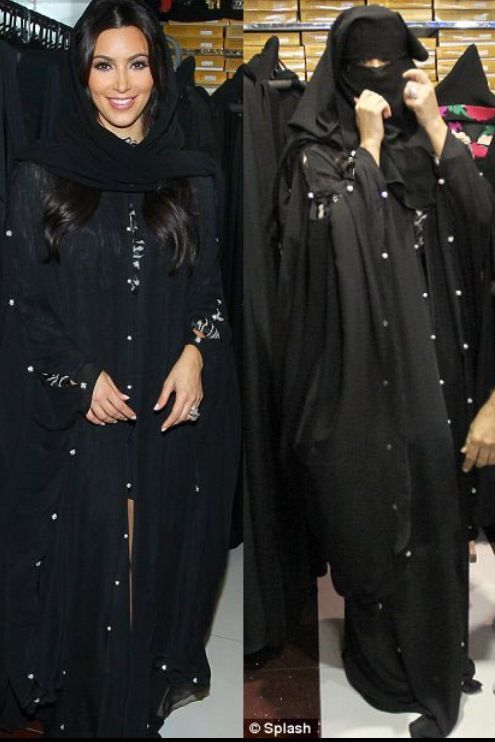
The abaya is more than just a garment; it’s a symbol steeped in tradition and elegance. Designed to offer modesty, the flowing fabric drapes gracefully over the body, making it both comfortable and stylish. While often associated with Muslim women, this beautiful piece of clothing has piqued the interest of many non-Muslims as well. As cultures blend and fashion evolves, wearing an abaya can be an enriching experience for anyone willing to embrace it. Whether you’re considering adding one to your wardrobe or simply curious about its significance, there’s much to explore about this captivating attire. Let’s dive deeper into what makes the abaya so special!
What is an Abaya?
The abaya is a long, loose-fitting robe, typically worn by women in various regions around the world. Crafted from lightweight materials like cotton or silk, it drapes elegantly and offers both comfort and modesty.
Often black in color, the abaya comes in various styles and designs that can incorporate intricate embroidery or embellishments. This versatility allows wearers to express their personal style while adhering to cultural norms.
Traditionally associated with Islamic culture, the abaya serves as an outer garment layered over clothing. Its primary purpose is to promote modesty without sacrificing aesthetics—a balance that many find appealing.
In recent years, fashion designers have embraced the abaya on global runways, showcasing its potential beyond traditional settings. It has sparked interest among non-Muslims seeking a chic yet respectful addition to their wardrobes.
History and Significance of the Abaya
The abaya has a rich history that spans centuries. Originating in the Arabian Peninsula, it was initially designed to protect women from harsh desert climates. Over time, its purpose evolved into a symbol of modesty and cultural identity.
In many regions, the abaya signifies respect for tradition and societal values. It represents more than just clothing; it’s tied to family heritage and personal beliefs.
Throughout history, various styles emerged, influenced by local cultures and textiles. Today’s fashion-forward designs include intricate embroidery and vibrant colors while still maintaining the essence of modesty.
For many Muslim women, wearing an abaya is a choice rooted in faith. It allows them to express their spirituality while embracing modernity through evolving styles that reflect individual personalities.
Cultural and Religious Context
The abaya is more than just a garment; it embodies cultural identity and religious expression for many Muslim women. Traditionally, it signifies modesty and respect within Islamic teachings.
In several Middle Eastern countries, wearing an abaya is common in both daily life and special occasions. It reflects not only personal beliefs but also ties to heritage.
It’s essential to understand that the significance of the abaya can vary widely among individuals. Some may wear it as an act of faith, while others adopt it purely for its aesthetic appeal or cultural importance.
Additionally, the fabric, color, and styling choices often convey various meanings rooted in local customs. Thus, when exploring this attire as a non-Muslim, appreciating its rich context enhances the experience profoundly.
Misconceptions About Wearing an Abaya for Non-Muslims
Many people hold misconceptions about wearing an abaya, especially for non-Muslims. One common belief is that the garment is strictly religious. While it certainly has cultural and spiritual significance in many Muslim communities, the abaya can also be seen as a fashion choice.
Another misconception is that wearing an abaya may lead to unwanted attention or judgment. In reality, most wearers find it offers a sense of comfort and respectability, transcending boundaries beyond religion.
Some assume that donning an abaya requires a deep understanding of Islamic customs. However, anyone can appreciate its elegance without needing to adopt all associated practices.
There’s often confusion over style options. Abayas come in countless designs ranging from traditional black to vibrant colors and patterns, making them versatile pieces suitable for various occasions regardless of one’s faith background.
Benefits of Wearing an Abaya for Non-Muslims
Wearing an abaya offers several appealing benefits for non-Muslims. First, it provides a comfortable and modest option for various occasions. The loose-fitting design allows for freedom of movement, making it perfect for busy days.
The abaya is also versatile in styling. Non-Muslim wearers can explore a range of fabrics, colors, and embellishments to express their personal style while maintaining the garment’s traditional essence.
Another advantage is cultural appreciation. By wearing an abaya, non-Muslims show respect towards Middle Eastern traditions and customs. This choice fosters understanding and bridges cultural gaps.
Additionally, the simplicity of the abaya reduces decision fatigue when getting dressed. With fewer outfit choices required, mornings become more manageable.
Many find that the flowy silhouette creates a flattering look on various body types. Embracing this garment can enhance confidence while celebrating diversity in fashion choices.
How to Style an Abaya as a Non-Muslim
Styling an abaya as a non-Muslim can be both fun and expressive. Start with choosing the right fabric. Lightweight materials like chiffon or cotton are perfect for warmer climates, while heavier fabrics work well in cooler settings.
Accessorizing is key to personalizing your look. Consider adding a statement belt to cinch your waist, giving you shape without compromising modesty. Pair it with bold jewelry—think chunky bracelets or long earrings—to add flair.
Footwear choices can transform your outfit too. Opt for elegant flats or chic heels depending on the occasion. A stylish handbag will complete the ensemble, providing functionality alongside fashion.
Layering offers versatility; try wearing a fitted turtleneck underneath during colder months or drape a soft scarf around your shoulders for added warmth and style. Don’t shy away from experimenting with colors and patterns to reflect your personality while respecting cultural aesthetics.
Conclusion
The abaya is a beautiful and versatile garment that transcends cultural boundaries. While traditionally associated with Muslim women, it offers something for everyone, regardless of faith. By understanding its history and significance, one can appreciate the craftsmanship and thought behind each piece.
Embracing an abaya as a non-Muslim opens up opportunities to explore new styles while respecting cultural traditions. It’s essential to shed any misconceptions about wearing this attire; it’s not merely a religious symbol but also a fashion statement rich in meaning.
For those looking to experiment with their wardrobe or simply feel more connected to diverse cultures, styling an abaya can be both enjoyable and enlightening. With various fabrics, colors, and designs available today, there’s an option for every taste.
Wearing an abaya can serve as a bridge between different worlds—an invitation into the beauty of cultural exchange. Whether you’re attending events or just want something comfortable yet stylish for daily wear, consider making the abaya part of your wardrobe. Embrace its elegance while celebrating diversity through fashion choices that honor tradition without compromising personal style.