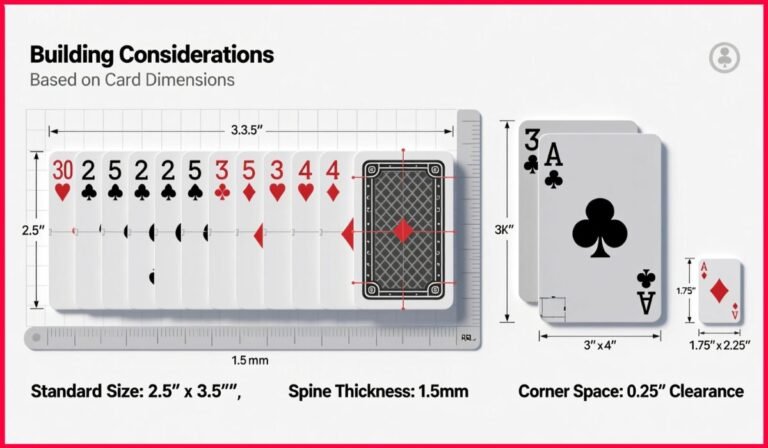
For Pokémon fans, both casual and competitive, understanding the dimensions of Pokémon card is essential — whether for storage, display, trading, or gameplay. Pokémon cards are not only collectibles but also part of a strategic game that requires careful handling, protection, and organization. Knowing their exact size, variations, and how dimensions impact accessories like sleeves, binders, and deck boxes ensures that your collection remains in top condition. This guide covers everything about Pokémon card dimensions, formats, storage solutions, and practical tips for collectors.
Standard Dimensions of a Pokémon Card
The first step to understanding Pokémon card dimensions is recognizing the official size of a standard card used in gameplay and trading.
Width and Height
A standard Pokémon card measures:
-
Width: 63 millimeters (approximately 2.5 inches)
-
Height: 88 millimeters (approximately 3.5 inches)
These measurements align with other collectible trading card games like Magic: The Gathering and Yu-Gi-Oh!, making it easier to find compatible sleeves and storage solutions.
Thickness
Pokémon cards are generally 0.305 millimeters thick (about 0.012 inches). This thickness provides a balance between durability and flexibility, allowing cards to be shuffled easily during gameplay without tearing or bending.
Variations in Pokémon Card Dimensions
While most cards follow the standard dimensions, some variations exist depending on the type of card or edition.
Jumbo Pokémon Cards
Promotional and event Pokémon cards often come in jumbo versions. These cards are significantly larger, usually around 10–15 times the size of a standard card, but they are not intended for gameplay. Jumbo cards are designed for display, marketing, or special events.
Pokémon TCG Online and Digital Cards
While digital cards don’t have physical dimensions, their display size in apps or on computer screens is modeled to mimic the standard 63 x 88 mm format, ensuring consistency for online gameplay.
Mini Cards and Collector Editions
Some special Pokémon merchandise, like miniature card decks or novelty items, may feature smaller cards. These are typically for collectors or promotional purposes and are not compatible with standard card sleeves or decks.
Pokémon Card Layout Dimensions
Understanding the layout is just as important as knowing the overall size. Standard Pokémon cards follow a consistent template, which helps players recognize card types, text areas, and images.
Image and Artwork Area
-
Artwork rectangle: Approximately 59 x 80 mm
-
This is the central area that features the Pokémon illustration.
-
Borders vary slightly depending on card edition or printing year.
Text and Stats Area
-
Name bar: Around 5 mm in height at the top of the card
-
Attack and HP section: Typically 15–20 mm at the bottom of the card
-
These sections are standardized across generations to maintain readability and gameplay consistency.
HBorders and Margins
-
Standard Pokémon cards have a white or colored border of approximately 2–3 mm on all sides.
-
Border size may slightly vary in older editions or special releases, but the playable area generally remains consistent.
Importance of Knowing Pokémon Card Dimensions
For collectors, players, and sellers, knowing the exact card dimensions is critical for several reasons:
Storage Solutions
-
Binders and sleeves: Most card sleeves are designed to fit 63 x 88 mm cards perfectly, protecting them from bending and wear.
-
Deck boxes: Standard deck boxes accommodate 60–100 Pokémon cards, depending on thickness, and rely on uniform dimensions to close securely.
Trading and Selling
-
Accurate knowledge of card size ensures buyers receive what they expect.
-
Helps avoid confusion when selling online, as buyers often search for “standard Pokémon card dimensions” to verify fit for sleeves or storage.
Protection from Damage
-
Cards that are too loose in sleeves or stored improperly are prone to bending, corner wear, or surface scratches.
-
Using correct dimensions ensures long-term preservation of valuable or rare cards.
Pokémon Card Accessories Based on Dimensions
To protect and display Pokémon cards effectively, several accessories are designed with card dimensions in mind.
Sleeves
-
Standard sleeves: Designed for 63 x 88 mm cards
-
Premium sleeves: Offer extra thickness and sometimes acid-free material for added protection
-
Jumbo sleeves: Used for promotional jumbo cards but not compatible with standard decks
Deck Boxes
-
Deck boxes accommodate standard card stacks securely, preventing cards from moving and bending.
-
Sizes are calculated based on the standard card width and height, plus a small buffer for easy insertion and removal.
Binders and Card Albums
-
Binders usually have 9-pocket pages, with each pocket sized to hold one 63 x 88 mm card.
-
Special collector albums may offer acid-free pockets to prevent chemical damage over time.
Display Frames
-
For showcasing rare or holographic Pokémon cards, display frames are designed with precise dimensions, ensuring cards fit snugly without slipping.
Pokémon Card Dimension Compatibility
Since Pokémon cards share dimensions similar to other trading card games, many accessories are interchangeable.
Magic: The Gathering (MTG) and Yu-Gi-Oh!
-
Standard MTG cards: 63 x 88 mm
-
Standard Yu-Gi-Oh! cards: 59 x 86 mm (slightly smaller)
-
Most MTG sleeves fit Pokémon cards perfectly, while Yu-Gi-Oh! sleeves may leave small gaps.
Custom Accessories
-
Custom sleeves, deck boxes, and binders are widely available online.
-
When purchasing, always verify the 63 x 88 mm standard to ensure proper fit for Pokémon cards.
Tips for Preserving Pokémon Cards
Correctly storing Pokémon cards based on their dimensions helps maintain their value, condition, and usability.
Use Quality Sleeves
-
Invest in acid-free, premium sleeves
-
Ensure sleeves match the 63 x 88 mm dimensions exactly
-
Double-sleeving rare cards adds extra protection
Store in Proper Boxes
-
Deck boxes and storage cases should fit snugly without bending cards
-
Avoid overstuffing; too many cards in one box can damage edges
Avoid Exposure to Elements
-
Keep cards away from direct sunlight, humidity, and moisture
-
Temperature changes can warp cards, even if they are in sleeves
Organize by Edition
-
Organizing cards by series, type, or rarity helps prevent accidental bending or damage
-
Use dividers that match card thickness for optimal storage
Rare and Special Pokémon Cards
While most cards share standard dimensions, rare promotional cards may require extra attention.
Holographic and Full-Art Cards
-
These cards follow standard dimensions but often use special foiling or artwork
-
Protective sleeves and binders are highly recommended
Jumbo Promotional Cards
-
Not used for gameplay
-
Dimensions vary widely, often exceeding 150 x 200 mm
-
Usually kept for display or collection purposes only
Collector’s Sets and Limited Editions
-
Special sets may include mini cards or cards with different aspect ratios
-
Always check dimensions before purchasing sleeves or storage solutions
Why Pokémon Card Dimensions Matter for Tournaments
In competitive play, standardized dimensions ensure fairness.
Uniform Shuffling
-
Identically sized cards shuffle evenly
-
Avoids any unintentional “marked” cards or stacking advantages
Deck Building Rules
-
Tournament decks are typically 60 cards
-
Knowing dimensions ensures cards fit into standard deck boxes and sleeves approved for official play
Game Integrity
-
Properly sized cards maintain the integrity of the playing field
-
Smaller or larger cards may provide unfair visual cues
Conclusion
Understanding the dimensions of Pokémon card is essential for collectors, players, and event organizers. Standard cards measure 63 x 88 mm, with slight variations in thickness, artwork, and borders. Knowing these measurements allows you to choose the right sleeves, deck boxes, binders, and display cases, ensuring your collection remains pristine.
Whether you’re a casual player, a competitive tournament enthusiast, or a serious collector, understanding Pokémon card dimensions helps protect your investment, organize your collection, and enjoy the game fully.
By following best practices for storage, handling, and organization, Pokémon cards can remain in top condition for years, keeping their aesthetic and monetary value intact.