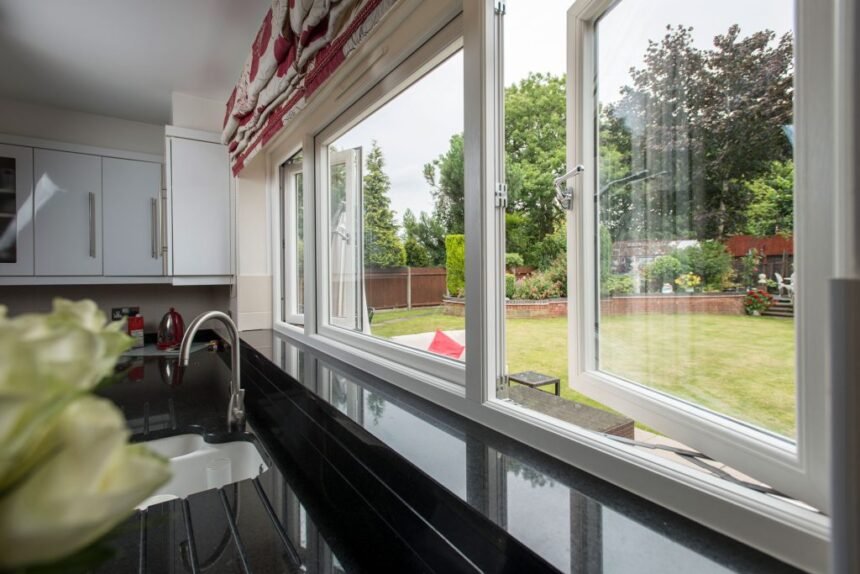
Introduction to Passivhaus Standards
Passivhaus (or Passive House) is a rigorous standard for energy efficiency in a building, aiming to reduce its ecological footprint significantly. Originating in Germany, the Passivhaus standard is now gaining traction in the UK as homeowners seek to enhance their living environment while reducing energy consumption and costs. The principles behind Passivhaus emphasize comfort, sustainability, and energy efficiency, making it an attractive option for modern homeowners.
Achieving Passivhaus standards goes beyond simply installing triple glazing, although that is a critical component. It involves a holistic approach that considers various aspects of building design and construction processes to create an energy-efficient home.
Understanding Triple Glazing
Triple glazing consists of three panes of glass separated by gas-filled spaces that provide superior insulation compared to double glazing or single glazing. This technology minimizes heat loss, reduces external noise, and enhances overall energy efficiency.
- Thermal Performance: Triple glazed windows can achieve U-values as low as 0.8 W/m²K, which significantly lowers heat transfer.
- Noise Reduction: With three layers of glass, triple glazing effectively dampens external sounds, making homes quieter.
- Condensation Control: The layers create a thermal barrier that minimizes condensation on window surfaces.
While triple glazing is essential for achieving high energy performance, it is just one piece of the larger Passivhaus puzzle.
The Importance of Air Tightness
Air tightness is a fundamental principle of the Passivhaus standard, as it prevents unwanted air leaks that can lead to significant energy loss. In a well-designed Passivhaus, air changes per hour (ACH) should be less than 0.6 at 50 Pascal pressure.
Key strategies for improving air tightness include:
- Sealing Joints: Careful attention must be given to sealing joints between walls, roofs, and floors.
- Using Airtight Membranes: Installing airtight membranes helps ensure that no air can pass through the building envelope.
- Regular Testing: Conducting blower door tests during and after construction helps identify leaks that need addressing.
Achieving optimal air tightness not only aids in energy efficiency but also enhances indoor air quality by reducing drafts and lowering potential moisture problems.
High-Performance Insulation
Insulation is another critical factor in reaching Passivhaus standards. High-performance insulation materials should be used throughout the building envelope to minimize heat loss.
- Types of Insulation Material: Common materials include mineral wool, cellulose, and rigid foam boards.
- Continuous Insulation: This technique eliminates thermal bridging caused by structural elements penetrating insulation layers.
- Thickness Matters: The recommended insulation thickness can vary based on climate but typically ranges from 300mm to 400mm in roofs and around 200mm in walls.
Investing in high-performance insulation pays off through reduced heating needs and enhanced comfort levels within the home.
Ventilation Strategies for Passivhaus
Ventilation is crucial in maintaining indoor air quality while preserving energy efficiency in a Passivhaus home. A balanced ventilation system with heat recovery ensures that fresh air enters without losing heat.
- Mechanical Ventilation with Heat Recovery (MVHR): This system extracts stale air and recovers heat from it before expelling it outside, pre-heating incoming fresh air.
- Continuous Operation: MVHR systems operate continuously at low power, providing adequate airflow without excessive energy use.
- Placement Considerations: Proper positioning of vents helps optimize airflow throughout the home.
Incorporating effective ventilation strategies is essential to meet both comfort and air quality standards while adhering to Passivhaus guidelines.
The Role of Renewable Energy
Integrating renewable energy sources into your home can further enhance energy efficiency and sustainability efforts under the Passivhaus standard.
- Solar Panels: Photovoltaic (PV) panels can help generate electricity for household needs and reduce reliance on grid power.
- Solar Thermal Systems: These systems capture sunlight to produce hot water for domestic use.
- Heat Pumps: Ground-source or air-source heat pumps provide efficient heating solutions by harnessing renewable energy sources.
By adopting renewable technologies, homeowners can achieve greater self-sufficiency while significantly lowering their carbon footprint.
Choosing the Right Windows and Doors
Selecting high-quality windows and doors is vital for achieving optimal performance in a Passivhaus property.
- Wolfline Aluminium Passivhaus Windows: Known for their exceptional thermal performance and durability, Wolfline Aluminium Windows offer an excellent solution for homeowners aiming for Passivhaus standards.
- Design Considerations: Ensure windows are optimally positioned to take advantage of passive solar gain while minimizing heat loss.
- Quality Assurance: Choose products that meet rigorous standards for insulation performance and durability.
Investing in premium windows and doors like those offered by Wolfline helps maintain energy efficiency while enhancing the aesthetic appeal of your home.
Case Studies: Successful Passivhaus Projects in the UK
Several exemplary projects have successfully achieved Passivhaus standards across the UK, demonstrating the feasibility and benefits of this approach.
- The Green House Project (Bristol): A residential development showcasing innovative design with excellent insulation techniques and renewable energy integration.
- Wolverhampton’s Eco-Homes: A collection of homes built with sustainable materials featuring MVHR systems and high-performance insulation.
- Brighton’s Sustainable Housing Development: Highlighting community-focused living with strict adherence to sustainability principles without compromising comfort or style.
These case studies illustrate how diverse designs can achieve similar sustainability goals while enhancing community living quality.
Financial Considerations and Incentives
Transitioning your home to meet Passivhaus standards involves upfront costs but offers long-term savings through reduced energy bills.
- Initial Investment vs Long-Term Savings: While initial costs may be higher due to premium materials, lower operational costs result in significant savings over time.
- Government Incentives: Various grants and incentives are available to support homeowners investing in energy efficiency upgrades.
- Financing Options: Many banks offer green mortgages with favorable terms for those undertaking eco-friendly renovations or constructions.
Understanding financial considerations allows homeowners to make informed decisions regarding investments in energy-efficient technologies like those provided by Wolfline Aluminium Windows.
The Future of Passivhaus in the UK
As awareness of climate change grows and energy costs continue to rise, more homeowners will likely consider adopting Passivhaus standards as part of their renovation or new builds.
- Regulatory Changes: Government policies increasingly support sustainable building practices, which may encourage wider adoption.
- Technological Advances: Innovations in building materials and techniques will enhance accessibility for homeowners striving for higher energy efficiency standards.
- Community Initiatives: Local councils may introduce programs promoting eco-friendly housing developments that meet or exceed Passivhaus requirements.
As we move forward into an era where sustainability is paramount, embracing Passivhaus principles will not only benefit individual homeowners but also contribute positively toward environmental conservation efforts across the UK.
Embracing these strategies will allow homeowners not only to achieve but exceed traditional expectations related to energy efficiency and comfort within their residences while contributing positively towards global sustainability goals through informed choices about their living environments today and into the future with innovations such as Wolfline Aluminium Windows leading the way in high-performance solutions tailored for modern needs.
READ ALSO: How do you restore and maintain period wooden windows in a historic home?