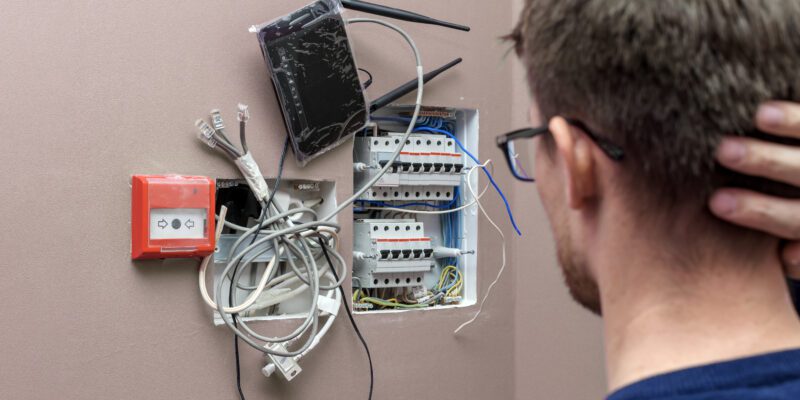
Fire alarms are essential safety systems that protect lives and property by providing early warnings of fire emergencies. Whether you’re a homeowner, business owner, or building manager, understanding the key parts of a fire alarm system and their functions is crucial for ensuring optimal performance and compliance with safety standards. This guide will walk you through the essential components of a fire alarm system, how they work together, and what to consider when maintaining or upgrading your system.
1. Introduction to Fire Alarm Systems
A fire alarm system is a network of devices designed to detect smoke, heat, or flames and alert occupants to evacuate. These systems may also notify local fire departments or monitoring services, depending on their configuration. While fire alarms vary in complexity, the core components remain consistent across most systems.
2. Control Panel – The Brain of the System
The fire alarm control panel (FACP) serves as the central hub of your fire alarm system. It receives signals from detectors and manual pull stations, processes the information, and activates alarms or alerts.
Functions of the control panel include:
- Monitoring system status and detecting faults.
- Displaying alerts with indicators or screens.
- Controlling outputs like sirens, strobes, and communication modules.
Modern control panels often feature programmable settings, touchscreen interfaces, and connectivity for remote monitoring.
3. Smoke Detectors – Detecting Early Signs of Fire
Smoke detectors are among the most critical parts of a fire alarm system. They sense particles in the air caused by burning materials.
Common types include:
- Ionization Smoke Detectors: Detect smaller smoke particles from fast-flaming fires.
- Photoelectric Smoke Detectors: Better for sensing smoldering fires with larger smoke particles.
- Combination Detectors: Use both ionization and photoelectric technologies for maximum coverage.
Smoke detectors should be strategically placed in hallways, bedrooms, kitchens, and utility areas for comprehensive protection.
4. Heat Detectors – For High-Temperature Environments
Heat detectors are ideal for locations where smoke or steam may cause false alarms, such as kitchens, garages, or industrial settings. These devices respond to high temperatures or rapid temperature increases.
Types include:
- Fixed Temperature Detectors: Trigger when a specific temperature is reached.
- Rate-of-Rise Detectors: Activate when the temperature rises too quickly, even if it hasn’t reached the fixed threshold.
5. Manual Pull Stations – User-Activated Alerts
Manual pull stations allow building occupants to manually activate the alarm system if they spot a fire before detectors do. These stations are typically installed near exits and along escape routes. Pulling the handle immediately alerts the control panel to trigger alarms and notify emergency responders.
6. Alarm Notification Devices – Alerting Occupants
Once a fire is detected, notification appliances warn occupants to evacuate. These devices include:
- Audible Alarms (Sirens or Horns): Produce loud sounds to capture attention.
- Visual Alarms (Strobes): Flashing lights to alert individuals with hearing impairments.
- Voice Evacuation Systems: Play pre-recorded or live instructions for safe evacuation.
These devices must be loud enough and bright enough to alert people throughout the building, even in noisy environments.
7. Annunciators – Providing System Status
Annunciators are remote panels that display the status of the fire alarm system in various building locations. They’re especially useful in large facilities, allowing staff or emergency responders to quickly assess the situation and pinpoint the fire’s location.
8. Communication Modules – Connecting to Emergency Services
Modern fire alarm systems often include communication modules to send alerts to monitoring centers or local fire departments automatically. These modules may use phone lines, cellular networks, or the internet to ensure quick emergency response.
9. Power Supplies and Backup Batteries – Ensuring Reliability
A fire alarm system needs a reliable power source to operate effectively. Most systems are connected to the building’s electrical supply and feature backup batteries to keep them running during power outages. Regular testing and maintenance of these power sources are critical to prevent failures during an emergency.
10. Wiring and Circuitry – The Lifelines of the System
The wiring connects all components, ensuring seamless communication between detectors, control panels, and alarms. In some modern systems, wireless communication reduces the need for extensive wiring. Proper installation and routine checks are essential to prevent malfunctions.
11. Specialized Detectors – Beyond Smoke and Heat
In certain environments, specialized detectors are necessary:
- Flame Detectors: Sense infrared or ultraviolet radiation from flames.
- Gas Detectors: Monitor for combustible or toxic gases like carbon monoxide.
- Aspirating Smoke Detectors: Continuously sample air and provide highly sensitive detection for high-risk areas like data centers.
12. Maintenance and Testing – Keeping Your System Reliable
To ensure your fire alarm system works when you need it most, regular maintenance and testing are non-negotiable.
Key practices include:
- Monthly Testing: Check smoke detectors, pull stations, and alarms for proper function.
- Annual Inspections: Have professionals inspect and service your system.
- Battery Checks: Replace backup batteries as recommended by the manufacturer.
- Cleaning Detectors: Dust and debris can interfere with sensors, so clean detectors periodically.
13. Upgrading Your Fire Alarm System
Technology is constantly evolving, and upgrading your fire alarm system can improve safety and efficiency. Modern features like wireless connectivity, smartphone alerts, and integrated building automation systems can enhance your fire protection strategy.
When upgrading or purchasing parts, trusted suppliers like https://firealarmdepot.com/ provide a wide range of fire alarm components to fit your specific needs and budget.
14. Compliance and Regulations
Fire alarm systems must comply with local building codes and safety regulations. Standards such as NFPA 72 (National Fire Alarm and Signaling Code) in North America outline installation, testing, and maintenance requirements. Always work with certified installers and inspectors to ensure compliance.
15. Conclusion
Fire alarms are more than just a legal requirement—they’re a critical part of protecting people and property. By understanding the functions of each fire alarm part, you can make informed decisions about installation, upgrades, and maintenance. From the control panel to the smallest wiring component, every part plays an essential role in detecting danger and alerting occupants.
Whether you’re managing a commercial facility, upgrading your home system, or simply learning more about fire safety, knowing how these components work together will give you peace of mind. By investing in quality fire alarm parts and following best practices for maintenance, you ensure your system is always ready to respond when it matters most.