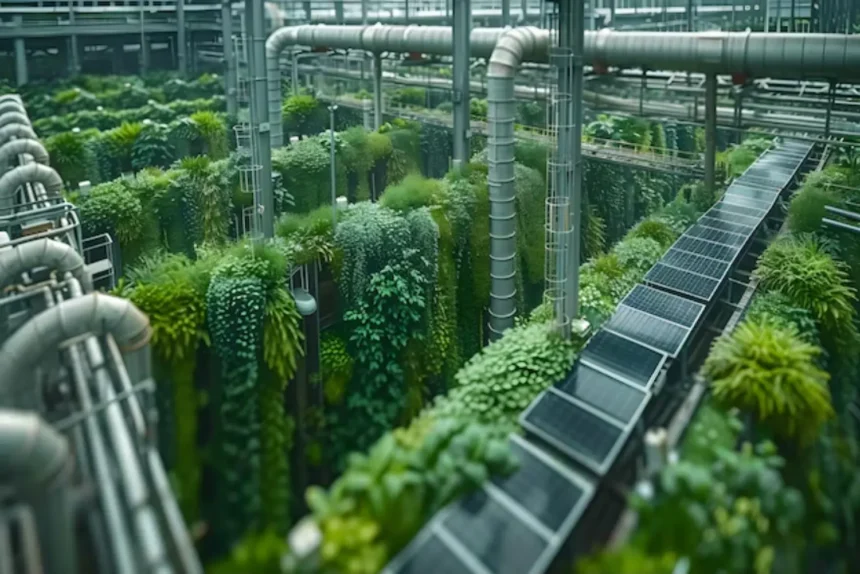
Introduction to Greenhouse Technology
The world of agriculture is undergoing a remarkable transformation, and at the heart of this revolution lies greenhouse technology. As urbanization rises and climate challenges grow more pronounced, innovative approaches to food production are becoming essential. Enter high-tech greenhouses—a fusioa.n of nature and cutting-edge technology that promises to redefine how we cultivate crops.
From sophisticated climate control systems to vertical farming techniques, these modern structures are not just about growing plants; they represent a shift in our approach to sustainable living. In this blog post, we will dive into the exciting trends shaping greenhouse tech today. Get ready to explore advancements that could change our agricultural landscape forever!
The Evolution of Greenhouse Technology: From Traditional to High-Tech
Greenhouse technology has come a long way since its inception. Traditional greenhouses relied heavily on natural sunlight and manual labor to cultivate plants. They were often simple structures made of glass or plastic, offering limited control over environmental conditions.
As the agricultural landscape evolved, so did greenhouse designs. The introduction of advanced materials enhanced insulation and light transmission. This shift laid the groundwork for modern innovations.
Today’s high-tech greenhouses integrate smart sensors and climate control systems. Growers can now monitor temperature, humidity, and soil moisture remotely. Automated irrigation systems reduce water waste while ensuring optimal plant health.
This transformation reflects a broader trend in agriculture: efficiency meets sustainability. The marriage of technology with horticulture not only maximizes yield but also conserves resources—a vital step toward meeting global food demands in an ever-changing climate.
Key Advantages of High-Tech Greenhouses
High-tech greenhouses offer several key advantages that traditional structures simply can’t match. One major benefit is climate control. Advanced systems can precisely regulate temperature, humidity, and light levels, creating the ideal environment for plant growth year-round.
Another significant advantage is resource efficiency. High-tech setups often incorporate automated irrigation and nutrient delivery systems. This reduces water usage and minimizes waste while ensuring plants receive the right nutrients at the right time.
Additionally, these greenhouses enhance crop yield potential. With optimal conditions maintained consistently, farmers can achieve multiple growing cycles within a single year.
Moreover, pest management becomes easier with integrated technologies that monitor environmental variables and even deploy beneficial insects when needed. By leveraging such innovations, growers can focus on sustainability while maximizing their productivity in an increasingly demanding market.
Emerging Trends in Greenhouse Tech:
Emerging trends in greenhouse technology are revolutionizing how we think about farming. One of the most exciting developments is vertical farming. This innovative approach maximizes limited space by stacking layers of crops, allowing for higher yields without expanding land use.
Automated systems are also gaining traction. These smart technologies enhance efficiency through climate control and irrigation management. Sensors monitor conditions in real-time, ensuring optimal growth while reducing labor costs.
Sustainable practices are becoming a core focus too. Many growers now prioritize renewable energy sources and eco-friendly materials to minimize their environmental footprint.
Hydroponics and aquaponics techniques further push the boundaries of traditional horticulture methods, encouraging resource conservation while delivering fresh produce year-round.
These advancements showcase a future where agriculture meets sustainability head-on. The integration of these trends promises an exciting evolution for greenhouses worldwide.
A. Vertical Farming
Vertical farming is transforming the way we approach agriculture. By stacking layers of crops vertically, this innovative technique maximizes space and resources in urban areas. It allows growers to produce food closer to where people live, reducing transportation costs and carbon footprints.
This method utilizes controlled environments that can optimize light, temperature, and humidity. As a result, plants grow faster and healthier without the need for harmful pesticides.
Moreover, vertical farms often employ hydroponic or aeroponic systems. These soil-less methods utilize water more efficiently than traditional farming practices. This makes them particularly appealing in regions facing water scarcity.
The potential for year-round production means communities can enjoy fresh produce regardless of seasonality. Vertical farming not only addresses food security but also promotes sustainable living by integrating technology with nature’s processes.
B. Automated Systems
Automated systems are transforming greenhouse operations. These technologies streamline processes, reducing the need for manual labor and minimizing human error.
Sensors play a crucial role in automation. They monitor temperature, humidity, and light levels in real-time. This data helps maintain optimal growing conditions, ensuring plants thrive without constant oversight.
Robotic systems are also making waves. They can handle tasks like planting seeds or harvesting crops efficiently. This not only speeds up production but also allows farmers to focus on strategy rather than routine chores.
Additionally, automated irrigation systems enhance water management. By delivering precise amounts at the right times, these setups conserve resources while promoting healthy growth.
The integration of AI into greenhouses is another exciting development. Machine learning algorithms analyze data patterns to predict plant needs better than ever before, pushing productivity forward in innovative ways.
C. Sustainable Practices
Sustainable practices are transforming greenhouse tech into a solution for modern agriculture challenges. Growers are now focusing on reducing waste and energy consumption while maximizing output.
One innovative approach is the use of renewable energy sources, like solar and wind power. This shift not only cuts costs but also minimizes carbon footprints. The integration of these technologies leads to greener operations.
Water conservation is another vital aspect. Advanced irrigation systems ensure that every drop counts, using sensors to monitor moisture levels precisely. This method results in healthier plants and reduced resource usage.
Organic growing methods are gaining traction within high-tech greenhouses too. By eliminating harmful pesticides and fertilizers, growers create safer environments for both consumers and ecosystems.
Innovative composting techniques further enhance sustainability by recycling organic waste back into the system. These practices contribute to nutrient-rich soils without relying on synthetic additives, fostering a more balanced agricultural ecosystem.
Impact of Greenhouse Tech on Agriculture and the Environment
Greenhouse technology is transforming agriculture in profound ways. By optimizing growth conditions, it allows farmers to produce more food with less land. This innovation leads to increased yields and reduced reliance on traditional farming methods that often harm the environment.
Moreover, high-tech greenhouses utilize advanced climate control systems. These systems reduce water usage through precise irrigation techniques, contributing to sustainable practices. Less water waste means healthier ecosystems surrounding agricultural areas.
Additionally, many modern greenhouses incorporate renewable energy sources like solar panels. This shift not only lowers operational costs but also minimizes carbon footprints associated with conventional farming.
The impact extends beyond just crops; it fosters biodiversity by allowing for year-round cultivation of diverse plant species. As a result, greenhouse tech plays a crucial role in maintaining ecological balance while meeting global food demands efficiently.
Challenges and Limitations of High-Tech Greenhouses
High-tech greenhouses come with their own set of challenges. The initial investment can be daunting. Advanced systems often require significant capital, which may not be feasible for every farmer.
Maintenance is another critical factor. High-tech equipment demands regular upkeep and skilled personnel to operate it efficiently. This can lead to additional costs that some growers might overlook.
Moreover, technology depends heavily on power sources. In areas prone to outages, reliance on automated systems can pose risks to crop health.
There’s also a steep learning curve associated with new technologies. Farmers must adapt quickly or risk falling behind in an ever-evolving landscape.
The environmental impact of manufacturing these high-tech solutions raises concerns about sustainability practices in agriculture. Balancing innovation and ecological responsibility remains a pressing challenge within the industry.
Future Possibilities for the Greenhouse Industry
The future of the greenhouse industry is brimming with potential. Innovations in biotechnology may soon allow for customized plant varieties tailored to specific climates and consumer preferences.
Artificial intelligence will play a pivotal role as well. Imagine systems that predict crop needs based on real-time data, optimizing growth conditions seamlessly.
Blockchain technology could revolutionize supply chains by ensuring transparency from farm to table. This would enhance food safety and build trust among consumers.
Moreover, advancements in renewable energy sources could lead greenhouses to operate off-grid. Solar panels and wind turbines might become standard features, reducing costs and environmental impact.
Urban environments may witness a surge in rooftop greenhouses, transforming concrete jungles into lush gardens. The integration of nature into city life could improve air quality while providing fresh produce locally.
As these trends unfold, the landscape of agriculture will change dramatically, fostering sustainability and efficiency like never before.
The greenhouse industry stands at a fascinating crossroads, propelled by innovation and sustainability. As technology continues to evolve, the potential for high-tech greenhouses seems limitless. Vertical farming is redefining space efficiency, allowing crops to thrive even in urban settings where land is scarce.
Automated systems are enhancing productivity and reducing labor costs. These advancements not only streamline operations but also ensure that plants receive optimal care with precision monitoring. Sustainable practices are becoming a norm rather than an exception, promoting eco-friendly methods that benefit both growers and the planet.
However, challenges remain. High upfront costs and technical complexities can deter some from adopting these advanced technologies. Yet as more solutions emerge to address these hurdles, the future looks bright for greenhouse tech.
With ongoing research and development paving the way forward, we can anticipate new innovations that will transform how we grow food sustainably while mitigating environmental impact. The journey of exploring new trends in greenhouse tech is just beginning; it’s an exciting time for farmers, researchers, and enthusiasts alike as they witness this vibrant sector adapt to meet global demands while nurturing our environment.