Introduction to Mexican cattle production industry
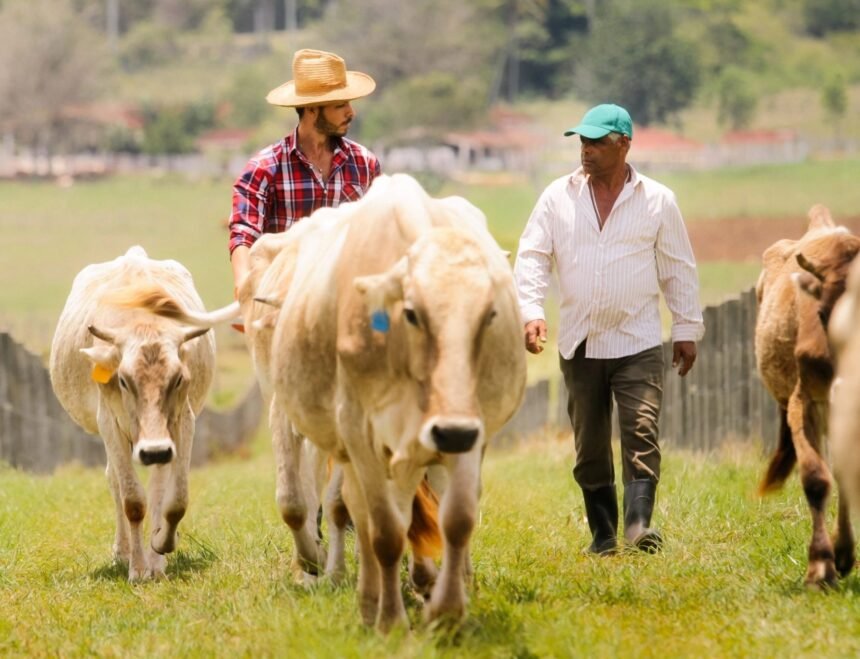
Mexico’s cattle production industry is a vibrant tapestry woven into the country’s rich agricultural heritage. From lush pastures to bustling markets, cattle farming plays a pivotal role in both local economies and cultural traditions. Yet, as global awareness of environmental issues grows, the need for sustainable practices in Mexican cattle production has never been more pressing. The challenge lies not only in meeting rising demand but also in preserving the natural resources that sustain this vital sector. This blog will delve deep into how sustainability is reshaping cattle ranching across Mexico, highlighting innovative practices being embraced by farmers and exploring their far-reaching impacts on the environment and society alike. Join us on this journey toward greener pastures and discover how sustainable practices can redefine an age-old tradition while paving the way for future generations.
The importance of sustainability in the industry
Sustainability is crucial in the cattle production industry, especially in Mexico. The growing demand for beef creates pressure on natural resources. Unsustainable practices can lead to deforestation, soil degradation, and water scarcity.
A focus on sustainable methods helps mitigate these impacts. It encourages responsible land management and preserves biodiversity. Sustainable practices also enhance animal welfare by ensuring healthier living conditions.
Moreover, sustainability fosters long-term economic viability for farmers. By adopting eco-friendly techniques, they can reduce costs related to feed and veterinary care while attracting consumers who prioritize ethical sourcing.
As climate change becomes an urgent global issue, embracing sustainability becomes a shared responsibility within the industry. Stakeholders must recognize its importance not just for today but for future generations as well. This shift could redefine the landscape of Mexican cattle production and inspire similar changes worldwide.
Current practices and their impact on the environment
The current practices in Mexican cattle production often prioritize high yields over environmental health. Intensive grazing, for example, can lead to soil degradation. When land is overgrazed, it loses its ability to retain nutrients and water.
Furthermore, the use of chemical fertilizers and pesticides poses risks not only to ecosystems but also human health. These substances can leach into waterways, causing pollution that affects aquatic life and drinking sources.
Methane emissions from livestock contribute significantly to climate change. The traditional feeding methods amplify these emissions as they rely on grain-heavy diets instead of more sustainable forage options.
However, understanding these impacts is crucial for driving change. As awareness grows around the ecological footprint of cattle farming, there’s a push for innovative solutions that balance productivity with environmental stewardship in Mexico’s rich agricultural landscape.
Sustainable practices being implemented by Mexican farmers
Mexican farmers are embracing a variety of sustainable practices to enhance cattle production. Rotational grazing is one such method, allowing pastures time to recover while reducing soil erosion. This technique also improves the quality of forage available for livestock.
Integrated pest management (IPM) strategies help control pests using fewer chemicals. Farmers combine biological controls with natural repellents, creating a healthier ecosystem on their farms.
Water conservation techniques are gaining traction as well. Many producers capture rainwater and utilize drip irrigation systems to reduce water waste in their operations.
Additionally, agroforestry is being explored by some ranchers, who incorporate trees into grazing areas. This not only boosts biodiversity but also provides shade for cattle and enhances carbon sequestration.
Through these innovative approaches, Mexican farmers are paving the way toward more environmentally friendly cattle production methods that benefit both nature and agriculture alike.
Benefits of sustainable cattle production for the environment, economy, and society
Sustainable cattle production offers a wealth of benefits that extend beyond the farm. For the environment, it reduces greenhouse gas emissions and promotes biodiversity. Healthy soils improve water retention, which leads to more resilient landscapes.
Economically, these practices can enhance profitability for farmers. By adopting efficient resource management techniques, they reduce costs associated with feed and water usage. This efficiency often translates into better quality products that meet consumer demand.
Socially, sustainable methods create healthier communities. They encourage local employment opportunities and support family farms over industrial-scale operations. Communities thrive when farmers invest in eco-friendly practices that yield nutritious food while respecting animal welfare.
Moreover, consumers increasingly favor sustainably-produced goods. Supporting such practices fosters a positive cycle where both people and the planet benefit from mindful agricultural choices.
Challenges and obstacles faced by farmers in adopting sustainable practices
Farmers in Mexico face several challenges when transitioning to sustainable practices. One significant hurdle is the financial investment required for new technologies and methods. Many small-scale farmers struggle with limited access to funds, making it tough to implement changes.
Additionally, a lack of education and training hampers progress. Understanding sustainable practices can be complex, and without proper guidance, farmers may feel overwhelmed or uncertain about how to proceed effectively.
Cultural norms also play a role. Traditional farming techniques have been passed down through generations, creating resistance to change among some communities.
Moreover, market pressures often prioritize quantity over sustainability. Farmers might fear losing customers if they switch to more eco-friendly methods that could initially reduce yield.
Climate variability poses an ongoing challenge. Unpredictable weather patterns can impact the effectiveness of sustainable strategies that rely on specific environmental conditions.
Government policies and initiatives promoting sustainable cattle production in Mexico
The Mexican government plays a vital role in promoting sustainable practices within the cattle production sector. Through various policies, they encourage farmers to adopt environmentally friendly techniques.
Programs like “Progan” provide financial incentives for ranchers who implement sustainability measures. These include pasture management and water conservation strategies that enhance productivity while reducing environmental impact.
Additionally, initiatives focusing on research and development help disseminate best practices among farmers. Educating producers about the benefits of regenerative agriculture is essential for fostering long-term change.
Collaboration with non-governmental organizations further amplifies these efforts. Training workshops equip ranchers with knowledge on biodiversity preservation and soil health improvement.
Such multifaceted support from the government not only empowers farmers but also contributes positively to Mexico’s agricultural landscape as a whole. Sustainable cattle production can flourish when there’s a strong policy framework backing it up.
Success stories of farmers who have adopted sustainable practices
Across Mexico, numerous farmers have embraced sustainable practices with remarkable results. One such example is a rancher in Jalisco who integrated rotational grazing into their operations. This method not only improved soil health but also increased pasture yield and reduced the need for chemical fertilizers.
In another region, a dairy farmer transitioned to organic feed and implemented water conservation techniques. As a result, they saw an increase in milk quality and production while minimizing environmental impact.
Additionally, a cooperative of beef producers in Chiapas has adopted agroforestry systems that promote biodiversity. Their approach combines cattle farming with tree planting, which enhances ecosystem resilience and provides additional income streams through timber sales.
These stories showcase how sustainable practices can lead to thriving farms while protecting the environment. They inspire others to consider similar paths toward sustainability in agriculture.
Role of consumers in supporting sustainable
Consumers play a pivotal role in shaping the future of sustainable practices in Mexican cattle production. Their choices influence farming methods and drive demand for products that prioritize environmental stewardship. When consumers opt for sustainably sourced beef, they send a clear message to producers: sustainability matters.
By supporting brands that adopt eco-friendly practices, shoppers encourage farmers to invest in more responsible techniques. This consumer-driven approach can lead to a ripple effect throughout the industry. As awareness grows, so does the market for organic and grass-fed beef options.
Moreover, education is key. Consumers who understand the impact of their purchasing decisions are more likely to seek out sustainable options. Engaging with local farms or participating in community-supported agriculture programs helps bridge the gap between producers and consumers.
Social media also plays an influential role by amplifying voices advocating for sustainable practices. It allows informative campaigns about ethical consumption to reach wider audiences quickly.
When individuals embrace sustainability as part of their lifestyle choices, it fuels change within agricultural systems like cattle production in Mexico. Collectively, these actions foster an environment where both nature and communities thrive together—creating a more resilient food system that benefits everyone involved.