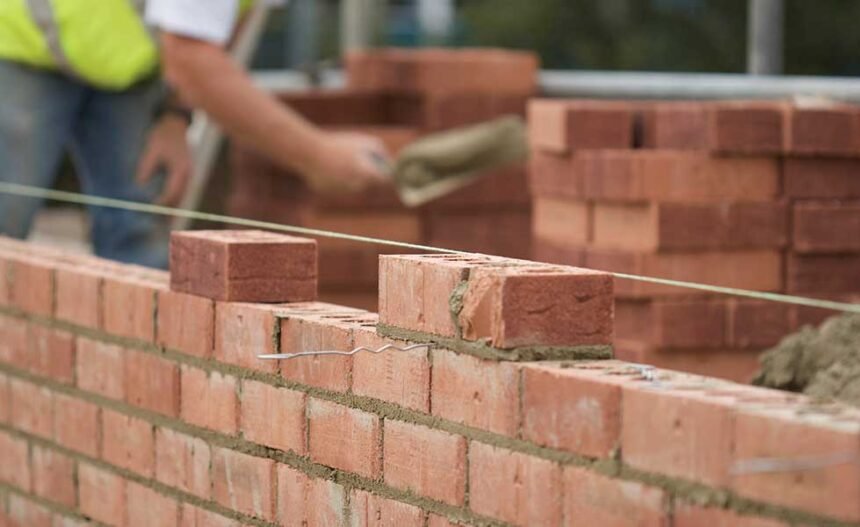
Introduction to Masonry Walls
Masonry walls have stood the test of time, offering a combination of beauty and strength that few other building materials can match. Whether you’re constructing a new home or renovating an existing structure, these walls provide an ideal blend of functionality and aesthetic appeal. From classic brick to elegant stone finishes, masonry offers endless possibilities for design while ensuring durability and efficiency.
As we delve into the key features and benefits of masonry walls, you’ll discover why they are a top choice among architects, builders, and homeowners alike. Get ready to explore how these versatile structures can enhance your living space in more ways than one!
Types of Masonry Walls
Masonry walls come in various types, each serving distinct purposes and aesthetic preferences. The most common are brick masonry walls, known for their classic charm and strength. They provide excellent insulation and can withstand harsh weather conditions.
Concrete block walls are another popular choice. These blocks offer versatility in design while ensuring structural integrity. Their large size speeds up construction time, making them a favorite for many builders.
Stone masonry is celebrated for its natural beauty and durability. While more expensive than other options, it adds an elegant touch to any building project.
Reinforced masonry combines traditional materials with modern technology. Steel reinforcement enhances stability, making these walls ideal for high-rise structures or earthquake-prone areas.
Choosing the right type depends on individual needs and environmental factors. Each offers unique characteristics that contribute to different architectural styles.
Advantages of Masonry Walls
Masonry walls stand out for their exceptional strength and stability. Constructed from solid materials like brick, stone, or concrete blocks, they can withstand various forces without compromising integrity.
These walls provide excellent sound insulation. They minimize noise transfer between spaces, making interiors more peaceful and serene.
Fire resistance is another compelling advantage. Masonry doesn’t burn easily, offering enhanced safety against fire hazards.
Moreover, masonry walls are resistant to pests such as termites that often damage wooden structures. This durability ensures longevity with minimal risk of infestations.
The thermal mass of masonry helps regulate indoor temperatures effectively. It keeps spaces cooler in summer while retaining warmth during winter months.
The timeless appeal of masonry offers aesthetic versatility. You can customize finishes and textures to suit different architectural styles effortlessly.
Durability and Safety
Masonry walls stand out for their exceptional durability. Made from materials like brick, stone, and concrete, they can withstand various environmental challenges. Whether it’s heavy rain or intense sunlight, these structures maintain their integrity over time.
Safety is another significant advantage of masonry walls. Their robust build provides excellent resistance against fire and pests. This feature enhances the overall security of any property.
Additionally, masonry walls offer great sound insulation. This quality helps create a peaceful indoor environment by reducing noise transmission from outside sources.
The structural strength of masonry also contributes to its ability to handle seismic forces better than many other building materials. Homeowners can feel secure knowing that these walls support their homes effectively during natural events.
With all these factors combined, it’s clear why people often choose masonry for long-term projects focused on safety and reliability.
Energy Efficiency
Masonry walls offer remarkable energy efficiency that makes them a preferred choice for many builders. Their thermal mass properties enable these walls to absorb heat during the day and release it slowly at night. This natural temperature regulation reduces the need for excessive heating or cooling.
Additionally, masonry materials are excellent insulators, minimizing air leakage. This tight seal helps maintain comfortable indoor temperatures regardless of external weather conditions.
The inherent density of masonry also contributes to soundproofing benefits, creating quieter living spaces. With less reliance on HVAC systems, homeowners can enjoy significant savings on energy bills over time.
Moreover, many modern masonry products incorporate eco-friendly components that further enhance sustainability. Choosing this material not only benefits your home but also promotes environmentally responsible construction practices.
Aesthetics and Design Options
Masonry walls offer a wealth of aesthetic possibilities. From classic brick to elegant stone, these materials can enhance any architectural style. Homeowners often choose masonry for its timeless appeal.
The versatility in colors and textures allows for personalized designs. Whether you prefer a rustic look or sleek modern lines, there’s a masonry solution that fits perfectly. This adaptability extends to patterns as well; options like herringbone or stacked bond create unique visual interest.
In addition to traditional styles, contemporary treatments make masonry walls stand out even more. Incorporating finishes such as plaster or paint opens up further design avenues while preserving the wall’s structural integrity.
Outdoor spaces also benefit from masonry features like patio walls and outdoor kitchens, seamlessly blending functionality with beauty. With so many choices available, integrating masonry into your home enhances both character and charm without sacrificing quality.
Cost-effectiveness
When considering construction options, cost-effectiveness is crucial. Masonry walls stand out in this aspect for several reasons.
First, the initial investment might seem higher than other materials. However, their long lifespan often means fewer replacements are needed over time. This durability can translate into significant savings.
Additionally, masonry provides excellent insulation properties. This results in reduced heating and cooling costs throughout the year. Homeowners appreciate lower utility bills that come from energy efficiency.
Moreover, the maintenance required for masonry walls is minimal compared to alternatives like wood or vinyl siding. With proper care, they resist weathering and damage well.
In many cases, insurance premiums may also be lower due to increased safety features related to fire resistance and structural integrity. These factors combine to enhance overall financial value for property owners seeking longevity and reliability in their buildings.
Maintenance and Longevity
Masonry walls are known for their impressive longevity. With proper care, they can last for decades, even centuries. This durability stems from the materials used—brick, stone, and concrete all stand up well against time.
Maintenance is relatively simple compared to other building materials. Regular inspections help catch minor issues before they escalate into costly repairs. Checking for cracks or signs of moisture intrusion ensures that your masonry remains structurally sound.
Cleaning is another key aspect of upkeep. A gentle wash with water and mild detergent can keep surfaces looking fresh without damaging them.
Sealing joints every few years can also prevent water damage and enhance the wall’s lifespan. Investing a little effort in maintenance pays off greatly over time by preserving both functionality and appearance.
Conclusion
Masonry walls stand out as a durable and versatile choice for both residential and commercial construction. Their ability to withstand harsh conditions while providing aesthetic value makes them an attractive option for builders and homeowners alike.
With various types available, including brick, block, and stone masonry, there is a suitable option to meet any design preference or structural requirement. The advantages are clear: from enhanced durability that offers safety against the elements to energy efficiency that reduces heating and cooling costs.
Aesthetic options abound with masonry; its natural textures and colors can complement any architectural style. Cost-effectiveness plays a significant role too—masonry walls often require less maintenance over time compared to other materials.
By investing in masonry walls today, you secure not only the integrity of your structure but also contribute positively towards long-term savings on repairs and energy bills. Embracing this building technique allows one to enjoy lasting beauty alongside dependable performance for years ahead.