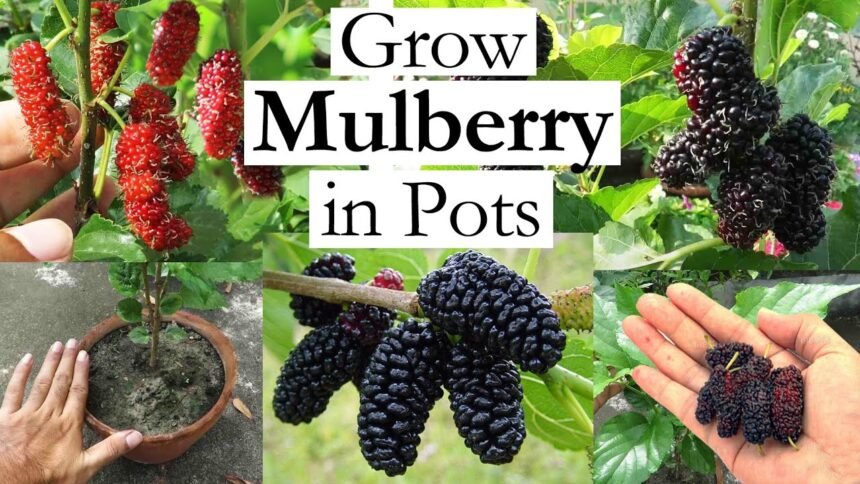
Introduction to Mulberry Trees
Mulberry trees are truly a treasure in the world of gardening. Their lush, green foliage and sweet, juicy berries can transform any backyard into a fruit lover’s paradise. Not only do these trees provide delicious snacks straight from nature, but they also attract birds and create beautiful shade during hot summer days.
If you’re considering starting your own mulberry journey, growing them from seeds is both rewarding and fulfilling. You’ll find that nurturing these little gems brings immense satisfaction as you watch them grow into vibrant trees over time. Whether you’re an experienced gardener or just beginning to explore the joys of planting, this guide will help you navigate how to plant and care for mulberry tree seeds successfully. Let’s dig in!
Benefits of Growing Mulberry Trees from Seeds
Growing mulberry trees from seeds offers a rewarding experience for gardeners. It allows you to witness the entire life cycle of the plant, from seedling to fruitful tree.
Starting with seeds can be more economical than purchasing young plants. You’ll have access to various mulberry varieties, each with its unique flavor and growth characteristics.
Another advantage is customization. By planting seeds, you can nurture your tree in a way that suits your preferences and local climate conditions.
Plus, it encourages biodiversity in your garden. Mulberries attract birds and beneficial insects while providing shade and aesthetic appeal.
Growing mulberries from seeds fosters patience and commitment as you cultivate these beautiful trees over time. The joy of nurturing them adds depth to gardening that store-bought plants simply can’t match.
Preparing the Seeds for Planting
Preparing mulberry seeds for planting is the first crucial step toward a thriving tree. Start by collecting ripe berries from healthy trees. Once you have your harvest, mash them gently to free the seeds.
Next, rinse the mixture under running water to remove any pulp and debris. This helps prevent mold during germination. After rinsing, spread the seeds on a paper towel to dry completely.
Cold stratification can enhance germination rates. Place your clean seeds in a damp paper towel and store them in a sealed plastic bag inside your refrigerator for about 30 days. This mimics winter conditions they would experience naturally.
After this chilling period, it’s time to sow! You’ll notice that preparing your mulberry seeds carefully sets the foundation for strong growth ahead. Each of these steps adds an extra layer of success when planting those little gems into soil.
Choosing the Right Location and Soil
Selecting the ideal location for your mulberry tree is crucial. These trees thrive in full sun, so look for a spot that receives at least six hours of direct sunlight each day. This ensures robust growth and sweeter fruits.
Soil quality plays an equally important role. Mulberries prefer well-draining soil rich in organic matter. Sandy loam or clay loam types are excellent choices, as they provide both drainage and nutrients.
Before planting, check the soil’s pH level; it should ideally be between 6.0 and 7.5. If your soil leans toward acidity or alkalinity, consider amending it with lime or sulfur to create a balanced environment.
Avoid areas prone to waterlogging or heavy foot traffic. A sheltered spot can protect young trees from harsh winds while promoting healthy development over time.
Planting and Caring for Mulberry Tree Seeds
Planting mulberry tree seeds requires careful attention. Start by soaking the seeds in water for about 24 hours. This helps to soften the seed coat, encouraging germination.
Once soaked, plant them in a well-draining potting mix. Aim for a depth of about half an inch. Space them out to give each seed room to grow.
Keep the soil consistently moist but not soggy. Using a spray bottle can help regulate moisture without overwhelming the seeds.
Place your pots in bright, indirect sunlight. Germination typically occurs within two weeks if conditions are right.
As seedlings emerge, thin them out if necessary, leaving only the strongest plants. Once they reach several inches tall and have developed sturdy roots, it’s time to consider transplanting them into larger containers or directly into your garden bed!
Ongoing care includes regular watering and ensuring they get enough light as they grow taller and stronger over time.
Common Pests and Diseases
Mulberry trees can face a few challenges from pests and diseases. One of the most common culprits is the mulberry caterpillar, which feasts on leaves and can defoliate your young tree if left unchecked.
Spider mites are another concern. These tiny pests thrive in dry conditions and create fine webbing on the undersides of leaves. They suck out plant juices, leading to yellowing foliage.
Fungal infections like powdery mildew may also appear during humid weather. This white coating affects leaf health but usually doesn’t kill the tree outright.
To combat these issues, regular monitoring is key. Natural remedies such as neem oil can be effective against many pests without harming beneficial insects. Maintaining good airflow around your plants helps prevent fungal growth too, ensuring that your mulberry tree stays healthy and productive throughout its growing season.
Harvesting and Enjoying Your Mulberry Tree’s Fruits
When your mulberry tree is laden with ripe, juicy fruits, it’s time to reap the rewards of your hard work. Mulberries typically ripen in late spring or early summer, depending on the variety and climate.
To harvest them, gently grasp the berries and pull them from their stems. They should come off easily when they’re fully ripe. Be careful not to crush them as they are delicate.
Enjoy fresh mulberries straight off the branch for a burst of flavor. You can also incorporate them into smoothies, jams, or baked goods for an extra twist. Their sweet-tart taste pairs well with many recipes.
If you’re feeling adventurous, try making mulberry wine or syrup! The possibilities are endless when it comes to incorporating this versatile fruit into your meals and treats. Don’t forget to share some with friends; they’ll love tasting what you’ve grown!
Conclusion
Growing mulberry trees from seeds can be a rewarding experience. With patience and proper care, you will enjoy the rich fruits that these trees produce. Start with quality seeds, prepare them thoughtfully, and choose an ideal location for planting. Regular maintenance will keep your tree healthy and thriving.
Be mindful of potential pests or diseases that may affect your plants. Addressing these issues promptly ensures a bountiful harvest year after year.
As you cultivate your mulberry tree, you’ll not only benefit from its delicious fruits but also create a beautiful addition to your landscape. Embrace the journey of growing this exceptional tree and savor every moment it brings into your garden!