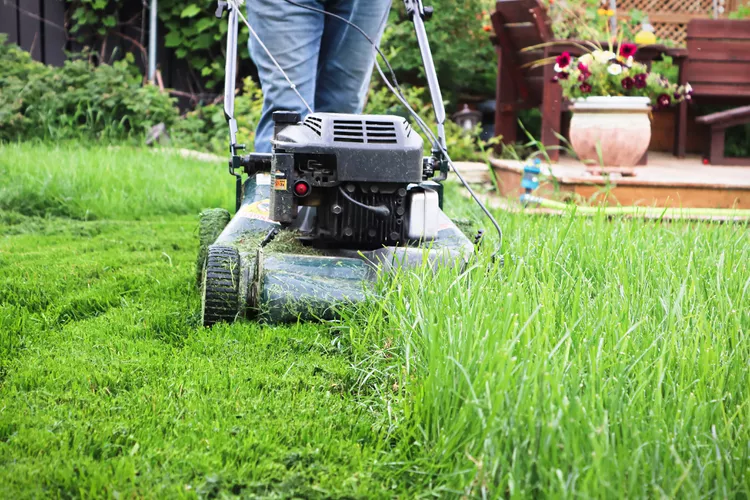
The question many homeowners grapple with during the rainy season is: should you cut wet grass? It’s a dilemma that can send even seasoned lawn enthusiasts into a tailspin. On one hand, your yard might look like a jungle begging for some TLC, while on the other, cutting wet grass could lead to unforeseen consequences. So what’s the right move when Mother Nature throws in her two cents? Let’s dive into this grassy debate and explore both sides of the story. Your lawn—and potentially your safety—might depend on it!
The Argument Against Cutting Wet Grass
Cutting wet grass is often seen as a bad idea for several reasons. First, the clumping effect can occur when mowing damp blades. This not only creates an uneven look but also makes it harder for your lawn to breathe.
Wet grass can also lead to soil compaction. Heavy mowers pressing down on soggy ground disturb the delicate root system, potentially stunting growth.
Moreover, cutting while it’s still drizzly or after a rain shower may result in damage to your mower’s blades. Grass can stick and clog up mechanical parts, leading to costly repairs.
Additionally, thick mud left behind from mowing can create patches that are vulnerable to pests and diseases. These factors combine into an argument strong enough for many homeowners: waiting until the grass dries out might just be worth it.
Potential Damage to Your Lawn
Cutting wet grass can lead to several challenges for your lawn. When the ground is soggy, mower wheels may sink into the soil, creating ruts and compaction. This disrupts root growth and can harm the overall health of your grass.
Mowing wet grass also causes clumping, which results in uneven cutting. These patches not only look unkempt but can also smother parts of your lawn, leading to brown spots over time.
Moreover, excess moisture on blades makes it easy for diseases to spread. Fungal infections thrive in damp conditions. By mowing when it’s wet, you risk transferring spores from one area to another.
The combination of these factors could leave you with a patchy yard that takes longer to recover. In essence, giving your lawn proper care means respecting its need for dry conditions before reaching for that mower.
Safety Concerns for the Person Mowing
Mowing wet grass poses serious safety risks that shouldn’t be overlooked. The slippery surface can lead to loss of footing, increasing the chance of falls and injuries.
Wet grass creates a slick environment for both the mower and the operator. A sudden slip could result in accidents, particularly if you’re using a push mower or riding lawnmower on uneven terrain.
Electrical hazards are another concern. If your mower is corded, moisture can create dangerous conditions where electrocution becomes possible. Even battery-operated mowers may malfunction when exposed to excessive water.
Additionally, visibility issues arise with wet grass clippings flying everywhere. This debris can obstruct your view and make it harder to navigate around obstacles safely.
Taking these factors into account is crucial before deciding whether or not to mow under such conditions. Always prioritize personal safety over getting the job done quickly.
Alternatives to Cutting Wet Grass
If the grass is too wet to cut, consider letting it dry. Give nature a chance to do its job. A few hours of sunshine can make a significant difference.
Another option is to mow at a higher setting. This allows you to trim without risking damage while avoiding clumping and leaving behind unsightly patches.
You might also explore using a string trimmer or weed eater for small areas. These tools provide more control in muddy conditions and are less likely to compact the soil.
Think about mulching leaves or other organic debris instead of mowing. This keeps your yard tidy while allowing your lawn some time to recover from recent rains. Each alternative helps maintain your lawn’s health and appearance without compromising safety or quality.
The Benefits of Cutting Wet Grass
Cutting wet grass can sometimes be advantageous. The moisture helps to keep the blades from flying around, resulting in a more even cut. For those looking for precision, this can make a significant difference.
When you mow wet grass, it often clumps together rather than dispersing like dry cuttings. This means you might not have to deal with as much cleanup afterward.
Mowing during damp conditions can also lead to healthier lawn growth. The moisture acts as a natural fertilizer, allowing nutrients to seep into the soil more effectively.
Additionally, mowing when it’s slightly moist may minimize dust and allergens that typically kick up during drier days. This makes for a fresher environment while you work on your yard.
Cutting wet grass is sometimes necessary if you’re facing an impending weather change. It ensures that your lawn stays tidy before the rain arrives again or other unpredictable elements take over.
How to Properly Cut Wet Grass
When tackling wet grass, timing is everything. Wait until the dew has dried off, ideally after mid-morning. This reduces clumping and helps your mower perform better.
Ensure your mower blades are sharp. Dull blades can tear the grass rather than cut it cleanly, leading to additional stress on the plants.
Adjust your cutting height as well. Cutting too short can weaken the grass, especially when it’s wet. Aim for a moderate height to keep it healthy.
Mow in straight lines whenever possible. This minimizes disruptions and allows for a more even cut across damp patches.
Consider using a mulching mower if you have one available. It chops up clippings finely and returns nutrients back to the soil while helping with moisture retention during those wetter days ahead.
Conclusion
When deciding whether to cut wet grass, it’s essential to weigh the pros and cons. Cutting wet grass can lead to a range of issues, from potential damage to your lawn’s health to safety risks for those operating the mower. However, if you are equipped with the right tools and techniques, mowing when conditions aren’t ideal might be necessary.
If you choose not to cut during wet conditions, consider alternative strategies like waiting for drier weather or using a mulching mower during light rain. These options help maintain lawn health without causing harm.
Keeping an eye on weather patterns and knowing your lawn’s needs will serve you well in making this decision. The key is balancing practicality with care for your green space while ensuring safe mowing practices at all times.