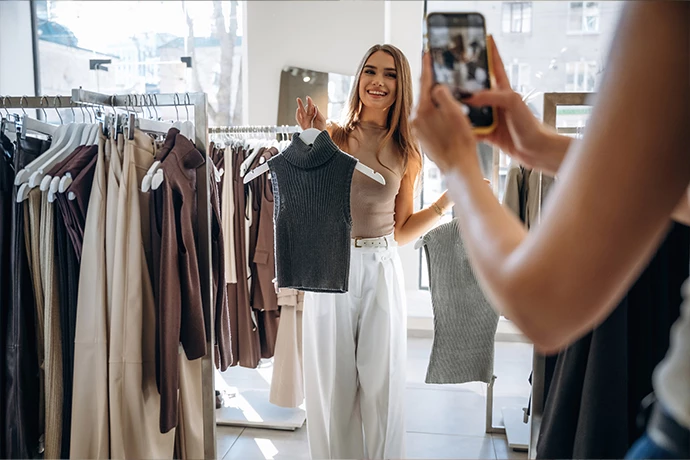
If you’ve ever bought a jacket because it looked perfect on someone in your feed, you already understand the power of fashion social platforms. Apps like LookBerry are built around a simple idea: people don’t just want product pages—they want to see real outfits, real styling, and real reactions. When shopping starts with an outfit post instead of a catalog, the path to purchase becomes faster, more personal, and more confident.
Why outfit posts are stronger than traditional product browsing
A classic online store shows you a clean photo, a price, and a short description. That helps, but it leaves out the biggest question: “How will this look in real life?”
Outfit posts answer that instantly. They show:
- how a piece fits on a body,
- how it moves in normal lighting,
- what it looks like with other items,
- and whether it matches a certain vibe (minimal, bold, street, elegant).
This is why fashion social platforms are changing shopping decisions. You’re not only evaluating the clothing. You’re evaluating the styling. And styling is what most people actually buy into.
The new “social shopping” mindset
On fashion social platforms, shopping is not a separate activity. It’s woven into discovery and social interaction. People scroll for inspiration, but the inspiration is connected to real products.
This changes buyer behavior in three big ways:
- People shop earlier in the decision process
Instead of searching “black midi skirt” on a store site, users discover a skirt through a look they already like. - People trust the product more
When you see an item styled well, it feels tested. It feels “approved” by someone with taste. - People buy with a plan
An outfit post usually shows how to wear an item. That makes the purchase feel less risky because you can picture at least one full look.
From post to purchase: what actually happens
Most purchases on fashion social platforms follow a repeatable journey. It looks simple, but every step matters.
- A user sees an outfit post that matches their style
The key here is relevance. Platforms learn what you like based on what you view, save, or interact with. - The user checks the details
They zoom in, read the caption, and look for the brand tag or product tag. This is where clear tagging becomes a sales tool, not just a feature. - The user looks for proof
They check comments, other posts by the same creator, or similar looks. If the platform shows community feedback (likes, reactions, or even “hot likes” type signals), it adds social proof. - The user takes action
They tap through to shop, add to cart, or save for later. If there is a discount, referral reward, or limited drop, that urgency often pushes the final decision.
This is why “shoppable posts” work so well. They remove friction. The moment a user feels desire, the platform makes purchasing only a few taps away.
Features that influence buying decisions the most
Not every “fashion app” drives purchases. The platforms that influence shopping decisions usually have a few specific features that shape user behavior.
Here are the ones that move people from interest to checkout:
- Product tagging inside outfit content
When tags are accurate and easy to tap, shopping feels natural instead of forced. - Creator-led discovery
Users trust people more than banners. A creator’s style becomes a filter for quality and taste. - Microbrand visibility
Smaller brands often feel fresher and more unique. When a platform highlights microbrands and limited collections, users feel like they are finding something “not everywhere.” - Rewards and commission systems
When creators earn from sales, they have a reason to share styling that converts—not just content that gets likes. - Community-driven selection
Voting systems, fashion battles, or ambassador picks give users a sense that the community is shaping what’s trending, not an algorithm alone. - Private or club-style spaces
Membership layers can raise the quality of interaction. When a platform adds verification, casting-style opportunities, or private communities, it can attract more serious creators and more engaged users.
The result is a shopping environment that feels like a mix of a style community and a marketplace, where inspiration and checkout live in the same place.
How creators and ambassadors shape what people buy
Creators influence fashion because they reduce uncertainty. They show “how to wear it,” which is often more valuable than “what it is.”
On platforms that support ambassadors (sometimes called “Berries” or similar roles), the influence gets even stronger because it becomes structured. Ambassadors typically:
- share looks regularly,
- tag products clearly,
- offer discounts or referral links,
- and earn a commission if followers buy.
This setup changes the content style. Instead of random outfit photos, creators focus on posts that help people decide. You’ll see more practical captions like sizing notes, fabric feel, or where an item works best (work, dinner, daily wear).
For shoppers, this is useful because it turns content into guidance. For brands, it’s powerful because it creates a sales channel that doesn’t feel like an ad.
Why microbrands benefit more than big brands on fashion social platforms
Big brands already have attention. Microbrands often don’t. Fashion social platforms level the playing field by letting products win through styling, not budget.
Microbrands also tend to sell limited drops, small-batch pieces, or unusual designs. That fits perfectly with social discovery because users want to feel like they found something special.
When microbrands show up in real outfit posts:
- the brand story spreads naturally,
- the product gains trust faster,
- and the audience is more targeted (people who like that exact style).
This is why social platforms can be a growth engine for small fashion labels. They don’t need to outspend anyone. They need to be styled well and posted consistently.
Practical tips to shop smarter on fashion social platforms
If you want better buys (and fewer regrets), treat outfit posts like a research tool, not just entertainment.
Here’s a quick checklist you can use before purchasing:
- Save 2–3 looks featuring the same type of item (for example, cargo pants or a satin skirt).
- Compare how the item looks in different lighting and styling.
- Look for creator notes on size, comfort, and fabric.
- Check if the platform offers discounts, referral rewards, or limited-time drops.
This approach keeps shopping fun but also makes your decisions more reliable.
Conclusion
Fashion social platforms influence shopping decisions because they match how people really choose clothes. We don’t fall in love with product pages. We fall in love with looks.
When an app combines outfit content, product tagging, creator recommendations, and community signals, buying becomes more confident and more immediate. Whether you’re a shopper looking for your next favorite piece, a creator turning style into income, or a microbrand trying to grow, the message is the same: the quickest path to purchase is a real outfit that feels wearable, personal, and worth copying.