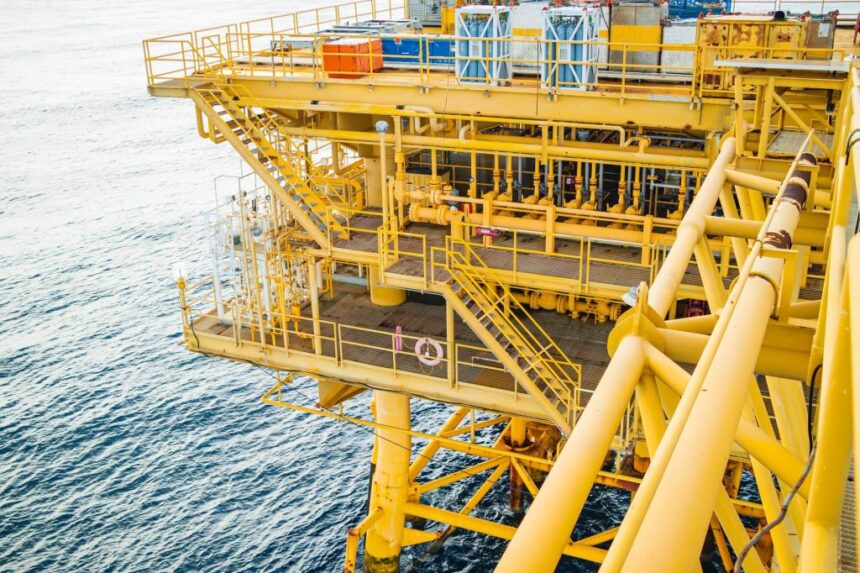
Offshore oil and gas platforms, once they reach the end of their operational life, must be responsibly retired through a process known as offshore decommissioning. But decommissioning is far from a simple teardown it’s a multi-faceted operation involving engineering precision, environmental sensitivity, regulatory compliance, and complex logistics.
For industry professionals, project managers, and stakeholders in energy sectors, developing an effective offshore decommissioning strategy is crucial. Poorly executed strategies can lead to cost overruns, regulatory violations, and long-term environmental harm. On the other hand, a well-thought-out approach can reduce costs, protect marine ecosystems, and streamline timelines.
This article outlines 15 best practices that will help organizations build a smart, efficient, and sustainable decommissioning plan, aligning safety, compliance, and performance with real-world demands.
1. Start Strategic Planning Early
One of the most common pitfalls in offshore decommissioning is delayed planning. Ideally, strategic planning should begin during the late operational life of the asset. Early preparation enables accurate forecasting, smoother stakeholder coordination, and better financial planning.
By starting early, operators can build a buffer for unexpected issues whether regulatory, environmental, or logistical.
2. Conduct a Comprehensive Asset Assessment
Before any action is taken, conduct a full inventory and condition assessment of the offshore asset. This includes topside structures, subsea infrastructure, well integrity, and environmental risk areas. The more detailed the data, the more precise the planning.
This step sets the baseline for everything that follows removal methods, environmental impact assessments, and equipment reuse or disposal decisions.
3. Define Clear Objectives and KPIs
What does success look like for your decommissioning project? Whether it’s minimal environmental disruption, cost savings, or faster turnaround, define your success metrics early on. Establishing KPIs ensures that all teams are aligned and accountable throughout the project.
Tracking KPIs like HSE (Health, Safety, and Environmental) performance, schedule adherence, and budget variance can provide valuable mid-project insights and course correction opportunities.
4. Incorporate Stakeholder Engagement from the Start
Stakeholders in decommissioning projects often extend beyond internal teams. Regulators, environmental groups, local communities, and indigenous populations may all have a say in how the process unfolds. Early and transparent engagement reduces friction, builds trust, and can even surface innovative solutions to common challenges.
It’s not just about compliance effective stakeholder communication can drive long-term reputational value.
5. Ensure Regulatory Alignment
Offshore decommissioning is governed by national and international regulations that vary by jurisdiction. Engage early with regulatory agencies to understand reporting requirements, environmental assessments, and permits.
This alignment not only ensures legal compliance but also reduces the risk of costly project delays due to missed approvals.
6. Use Integrated Project Management Tools
Modern decommissioning projects often involve multiple contractors, suppliers, and stakeholders. To manage complexity, adopt integrated project management systems that provide real-time tracking of budgets, logistics, safety metrics, and more.
These tools enhance collaboration, eliminate silos, and help identify risks before they escalate.
7. Consider Environmental Impact Holistically
Environmental responsibility is at the heart of any offshore decommissioning strategy. Go beyond minimum compliance by investing in environmental risk modeling, seabed scanning, and impact mitigation strategies.
By considering long-term marine ecosystem health, companies can avoid ecological damage and uphold corporate social responsibility.
8. Optimize for Recycling and Reuse
A modern approach to offshore decommissioning solutions emphasizes sustainability. Evaluate which parts of your platform (e.g., steel structures, cables, mechanical equipment) can be recycled, reused, or repurposed.
Designing for circularity not only reduces environmental footprint but can also lower total project costs by recovering material value.
9. Adopt Digital Twins and Simulation Modeling
Digital twin technology allows operators to create a virtual replica of the offshore asset. Teams can simulate different removal techniques, test risk scenarios, and optimize processes without real-world exposure.
These digital insights are increasingly vital for improving safety, reducing downtime, and eliminating guesswork from high-stakes decisions.
10. Prioritize Well Plugging and Abandonment Safety
Plugging and abandonment (P&A) of wells is one of the most critical and hazardous parts of the decommissioning process. Ensure that highly qualified teams, proper cementing materials, and state-of-the-art equipment are employed.
Also, conduct pressure testing, verification logs, and long-term monitoring to safeguard against future hydrocarbon leaks.
11. Evaluate Single Lift vs. Piece Small Removal Methods
When it comes to removing topside structures, companies must choose between “single lift” and “piece small” approaches. Each has pros and cons:
- Single Lift: Faster and reduces offshore exposure but requires large vessels and higher upfront costs.
- Piece Small: More flexible but labor-intensive and time-consuming.
Choose the method that aligns best with your project’s safety, budget, and logistics priorities.
12. Ensure Proper Waste Handling and Documentation
From asbestos to hydrocarbons, offshore platforms often contain hazardous materials. Develop a rigorous waste management plan that includes classification, labeling, tracking, and final disposal.
In many jurisdictions, waste handling documentation is not just best practice it’s a legal requirement that must stand up to audits.
13. Leverage Local Supply Chains Where Possible
Engaging local vendors and supply chains can reduce costs, lower carbon footprint, and foster goodwill in the region. Local expertise can also provide valuable insight into regional regulations, logistics challenges, and workforce availability.
In regions with developing decommissioning sectors, this can be a win-win strategy that supports both business and community development.
14. Conduct Post-Decommissioning Monitoring
The work doesn’t end when the last piece of infrastructure is removed. Most authorities require post-decommissioning surveys to assess seabed clearance and ecological recovery. Use sonar mapping, ROVs (remotely operated vehicles), and environmental sampling to confirm site remediation success.
These reports not only ensure compliance but also provide data that can inform future projects.
15. Perform Lessons Learned Reviews
Once the decommissioning is complete, conduct a thorough review of what went right and what could be improved. Capture lessons on contractor performance, environmental outcomes, cost efficiency, and stakeholder engagement.
Use this knowledge to refine internal frameworks and improve future offshore decommissioning strategy planning. Organizations that treat every project as a learning opportunity build a stronger, more adaptive operational culture.
Conclusion
Offshore decommissioning is a complex undertaking, but with the right strategy, it becomes an opportunity for operational excellence, environmental stewardship, and innovation. The 15 best practices outlined here ranging from early planning and stakeholder engagement to waste management and digital modeling, are designed to help organizations navigate this complexity with confidence.
By applying these insights, companies can not only meet regulatory demands but also reduce costs, protect marine ecosystems, and ensure a smooth transition from active operation to responsible closure.
Ultimately, a well-executed decommissioning strategy isn’t just about dismantling; it’s about creating a blueprint for future offshore projects that value efficiency, safety, and sustainability from start to finish.