Your BMW wasn’t built on an assembly line like every other car. It was engineered in Bavaria with precision that borders on obsession. Every component, from the variable valve timing to the sophisticated suspension system, reflects decades of German engineering excellence. So why would you trust its care to just any mechanic?
The relationship between a BMW owner and their vehicle runs deeper than simple transportation. These machines represent a commitment to performance, luxury, and driving dynamics that mass-market vehicles simply can’t match. When something goes wrong—and eventually, something always does—the quality of repair work can make the difference between restoring your BMW to its original glory or turning it into an expensive disappointment.
Understanding what sets BMW repair apart from generic auto service isn’t just about protecting your investment. It’s about preserving the driving experience that made you choose a BMW in the first place.
The Hidden Complexity Behind BMW’s Performance
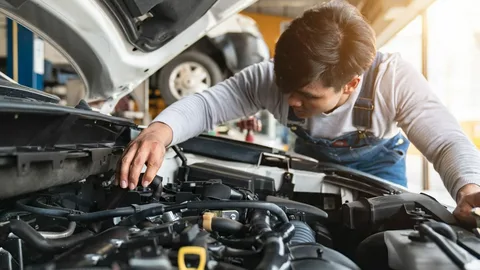
Walk into any BMW engine bay, and you’ll immediately notice the difference. Where other manufacturers might use simple mechanical linkages, BMW engineers often implement electronic solutions. The throttle-by-wire system, for instance, doesn’t just open and close based on pedal input—it communicates with the engine management system, transmission, and stability control to optimize performance in real-time.
This integration creates a driving experience that feels almost telepathic. Your BMW anticipates what you want before you fully commit to the action. But it also means that diagnosing problems requires more than basic automotive knowledge.
Consider the N54 twin-turbo engine found in many BMW models from the mid-2000s. When this engine develops issues, generic diagnostic tools might point to fuel system problems. A BMW specialist, however, knows that the high-pressure fuel pump, wastegate rattle, and carbon buildup issues are common failure points that require specific diagnostic procedures and specialized tools to address properly.
Why German Motors’ Expertise Makes the Difference
German automotive engineering follows a different philosophy than most manufacturers. Where American cars prioritize simplicity and Japanese vehicles focus on reliability, German engineering pursues precision and performance above all else. This creates unique challenges that require specialized knowledge.
Take BMW’s VANOS system, which controls valve timing. When it malfunctions, generic repair shops might suggest expensive engine work because they don’t understand how the system integrates with the engine management computer. A specialist familiar with German motors recognizes the symptoms immediately and can often resolve the issue with targeted repairs that cost a fraction of what an unknowledgeable shop might charge.
The diagnostic equipment alone tells the story. BMW uses proprietary communication protocols that generic OBD-II scanners can’t fully access. Proper BMW diagnosis requires tools like INPA, DIS, or ISTA that can communicate with every control module in the vehicle. These aren’t cheap investments, which explains why many general repair shops avoid specializing in German vehicles.
The Real Cost of Cutting Corners
Saving money on BMW repairs often proves more expensive than paying for proper service from the start. Generic parts might fit, but they rarely perform to BMW’s exacting standards. Aftermarket brake pads, for example, might stop the car adequately but lack the progressive feel and fade resistance that BMW engineered into the original components.
Engine oil provides another clear example. BMW specifies particular oil grades and change intervals based on extensive testing with their engines. Using generic oil or following standard 3,000-mile intervals can actually harm BMW engines, which are designed for longer service intervals with high-quality synthetic oils. A knowledgeable BMW repair specialist understands these requirements and stocks the correct fluids for your specific model year.
The integration between BMW’s various systems means that subpar repairs in one area often create problems elsewhere. Installing non-BMW brake pads might cause the ABS to behave differently, which affects the stability control system, which influences how the transmission shifts. What starts as a simple brake job becomes a cascade of related issues when proper procedures aren’t followed.
Finding the Right BMW Auto Repair Partnership
Not all BMW specialists are created equal. The best shops invest heavily in training, equipment, and genuine BMW parts inventory. They maintain relationships with BMW parts distributors and often have access to technical service bulletins that help diagnose unusual problems.
Look for repair facilities with BMW-certified technicians who attend regular training updates. BMW’s technology evolves constantly, and yesterday’s expertise doesn’t always apply to this year’s models. The diagnostic equipment should be current; older tools can’t communicate with newer BMW control modules.
A quality BMW repair shop will also maintain detailed service records and follow BMW’s prescribed maintenance intervals rather than generic recommendations. They understand that BMW’s Condition-Based Service system tracks actual wear patterns rather than simple mileage, and they can reset service indicators properly after completing work.
The Investment in Proper Care
BMW auto repair goes beyond routine maintenance—it’s an investment in your vehicle’s reliability, performance, and long-term value. Proper care from knowledgeable specialists allows your BMW to reach high mileage while maintaining the driving experience and precision engineering that define the brand.
The key is partnering with a repair facility familiar with your specific BMW model and its common issues. Experienced technicians can anticipate problems before they become costly, providing maintenance that prevents failures rather than just addressing them after the fact.
Your BMW deserves attention that matches its engineering excellence. Investing in specialized BMW auto repair ensures your vehicle continues to perform at its best, preserving both its value and the driving enjoyment that made you choose it.