Water damage ranks among the costliest home repairs, with the average claim reaching $11,000 according to the Insurance Information Institute. Yet one of the most destructive types of water damage often goes unnoticed for months or even years: slab leaks.
These hidden culprits develop beneath your home’s concrete foundation, silently wreaking havoc on your property’s structural integrity and your wallet. The good news? Modern detection methods and proactive homeowners are turning the tide against these expensive disasters.
Understanding what causes slab leaks and recognizing the early warning signs can mean the difference between a manageable repair and a financial catastrophe.
What Makes Slab Leaks So Destructive
A slab leak occurs when water pipes running beneath your home’s concrete foundation develop cracks or breaks. These pipes, typically made of copper or plastic, carry water throughout your house. When they fail, water seeps into the surrounding soil and concrete, creating a cascade of problems.
The concrete slab acts like a sponge, absorbing water and transferring it to surrounding materials. Wood framing begins to rot, metal components corrode, and the foundation itself can shift or crack. What starts as a small pipe leak transforms into widespread structural damage over time.
Unlike visible plumbing leaks that homeowners spot quickly, slab leaks operate in darkness. By the time you notice symptoms, significant damage has often already occurred.
The Hidden Costs Beyond Repair Bills
Direct repair costs tell only part of the story. Emergency slab leak repairs typically range from $2,000 to $10,000, depending on the location and severity. However, the secondary damage often proves more expensive.
Flooring replacement can cost $3,000 to $8,000 for an average home. If the leak affected hardwood floors, you might face complete subflooring replacement as well. Mold remediation adds another $1,000 to $4,000 to your bill, while structural repairs to damaged framing or foundation elements can reach $15,000 or more.
Insurance coverage varies significantly. While many policies cover sudden pipe breaks, they often exclude damage from long-term leaks classified as “maintenance issues.” This leaves homeowners facing massive out-of-pocket expenses.
Revolutionary Detection Technology Changes Everything
Gone are the days when finding a slab leak required jackhammering random sections of concrete. Today’s detection methods pinpoint problems with surgical precision.
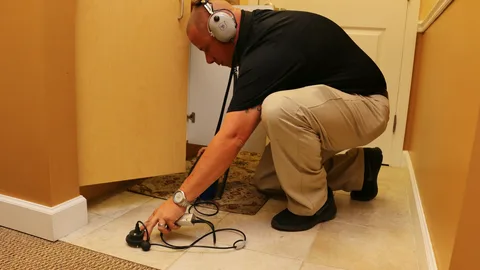
Electronic amplification equipment allows technicians to hear water moving through pipes beneath concrete. These sensitive devices detect the unique sound signatures of leaking water, even through several feet of concrete and soil.
Thermal imaging cameras reveal temperature variations on floor surfaces that indicate water movement below. Cold spots often mark active leak locations, while warm areas might suggest hot water line problems.
Ground-penetrating radar creates detailed images of subsurface pipe layouts without any digging. This technology maps pipe locations and identifies potential problem areas before breaks occur.
Smart Monitoring Systems Prevent Disasters
Homeowners increasingly rely on smart water monitoring systems to catch problems early. These devices install at your home’s main water line and track usage patterns 24/7.
Advanced systems learn your family’s normal water consumption habits. When usage suddenly spikes—even by small amounts—they send alerts to your smartphone. Some systems automatically shut off the water supply when they detect potential leaks.
Pressure monitoring adds another layer of protection. Gradual pressure drops often indicate developing leaks before they become major problems. Smart pressure sensors detect these subtle changes and alert homeowners to investigate.
Early Warning Signs Homeowners Often Miss
Several subtle indicators suggest potential slab leak development. Unexplained increases in water bills, particularly gradual rises over several months, often signal hidden leaks. Even small continuous leaks add up to significant water waste.
Hot spots on floors, especially over concrete areas, might indicate hot water line problems beneath. These areas feel noticeably warmer than the surrounding flooring, particularly on tile or hardwood surfaces.
The sounds of running water when all fixtures are off deserve immediate investigation. This often indicates active leaks somewhere in the system. The sound might be faint, requiring quiet listening during low-activity periods.
Cracks in walls, especially near the foundation, can signal foundation movement caused by soil saturation. While not all cracks indicate slab leaks, new cracks warrant professional evaluation.
Professional vs. DIY Detection Methods
Professional detection services cost $200 to $500 but provide accurate leak location and damage assessment. Trained technicians use multiple detection methods to confirm findings and avoid unnecessary concrete cutting.
Some homeowners attempt DIY detection using basic pressure tests or visual inspections. While these methods might identify obvious problems, they often miss developing issues or provide inaccurate location information.
The cost of professional detection pales compared to the expense of incorrect repairs. Cutting concrete in the wrong location adds thousands to repair costs while delaying actual problem resolution.
Modern Repair Techniques Minimize Disruption
When slab leaks occur, modern repair methods reduce both cost and home disruption. Pipe relining technology allows repairs without removing concrete in many cases. Technicians insert new pipe linings through existing access points, creating durable repairs that last for decades.
Epoxy pipe coating provides another non-invasive option for certain leak types. This method seals small leaks and prevents future corrosion without major excavation.
For extensive pipe damage, rerouting water lines above ground or through walls eliminates future slab leak risks. While more expensive initially, this approach prevents recurring problems in aging pipe systems.
Your Foundation’s Best Defense Starts Now
Slab Leak prevention starts with awareness and action, because the most effective protection strategy combines proactive monitoring with regular professional inspections. Annual plumbing checkups by qualified technicians can identify small issues before they escalate into full-blown emergencies that threaten your home’s foundation.
Installing water monitoring systems adds an extra layer of 24/7 protection, often paying for themselves by preventing just one major leak event. If you notice any warning signs—even subtle ones—professional leak detection ensures early intervention that almost always costs less than emergency repairs.
Smart homeowners who stay vigilant about potential slab leak risks avoid unnecessary stress, financial loss, and structural damage. Your commitment to prevention and timely action protects both your property’s integrity and your long-term financial security.