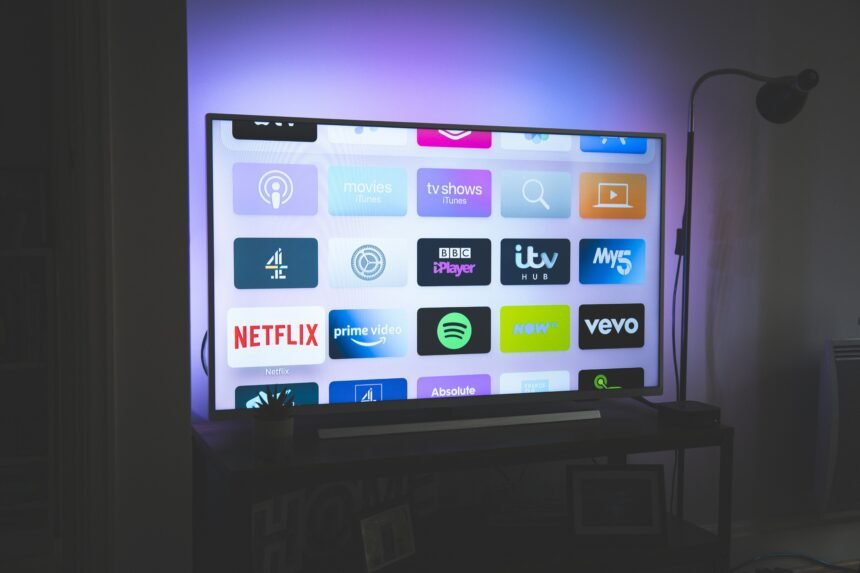
The advertising world has changed dramatically in recent years, and Connected TV (CTV) is leading the transformation. Traditional television viewership continues to decline while streaming platforms multiply, and marketers are realizing something crucial: CTV advertising isn’t just another channel to add to the mix—it’s becoming the foundation of modern digital marketing strategies. What’s driving this shift? It’s a combination of evolving consumer habits, rapid technological innovation, and the way CTV blends television’s immersive storytelling with the precision and measurability of digital advertising. To understand why CTV is positioned to dominate the future, let’s explore its unique advantages, how audiences are changing, and the advanced targeting capabilities that make it so effective.
The Evolution of Viewing Habits
Consumer viewing habits have undergone a fundamental shift. Cord-cutting is accelerating across all demographics, with millions of households abandoning cable and satellite in favor of streaming services like Netflix, Hulu, and Amazon Prime Video. This trend isn’t limited to younger audiences—older generations are embracing streaming and smart TV technology as well. The pandemic accelerated this movement as people sought more entertainment options and became increasingly comfortable with digital platforms. Today, streaming is the norm, and advertisers must adapt to meet audiences where they are.
Precision Targeting Capabilities in CTV
One of the most compelling reasons to invest in CTV advertising is its ability to deliver sophisticated targeting that rivals other digital channels while maintaining television’s premium viewing experience. Traditional TV relied on broad demographic assumptions based on programming schedules. CTV changes that entirely. Advertisers can now target specific households using behavioral data, purchase history, geographic location, and psychographic insights. Instead of guessing who might be watching, marketers can build audience segments based on real consumer behavior.
This precision extends to sequential messaging strategies, allowing brands to deliver different creative messages to the same household over time and guide viewers through the purchase journey. When planning campaigns, many marketers leverage advanced audience targeting solutions to refine segmentation and improve performance. These tools use data analytics to identify high-value viewers and optimize delivery, ensuring ads resonate with the right people. Combined with frequency capping across devices, CTV ensures audiences see relevant messages without being overwhelmed, maximizing both reach and efficiency.
Enhanced Measurement and Attribution
CTV advertising solves one of television’s longest-standing challenges: proving return on investment. Traditional TV relied on panel-based systems that estimated viewership. CTV provides deterministic data at the household or device level, showing exactly who saw an ad and when. This enables advanced attribution modeling that connects ad exposure to tangible outcomes like website visits, online purchases, and in-store conversions. For marketers, this level of transparency transforms television from a branding tool into a measurable performance channel.
Bridging Brand Building and Performance Marketing
CTV uniquely combines the strengths of brand-building and performance-driven marketing. Traditional TV excelled at creating emotional connections but struggled to demonstrate direct response. Digital channels delivered measurable results but lacked the immersive experience of television. CTV brings these worlds together, offering full-screen, sight-sound-motion creative environments alongside precise targeting and real-time analytics. This synergy allows brands to build awareness while driving measurable actions, making CTV an essential component of modern marketing strategies.
Programmatic Efficiency and Scale
The programmatic infrastructure behind CTV has matured rapidly, enabling advertisers to buy and optimize campaigns with unprecedented efficiency. Programmatic CTV buying provides access to inventory across hundreds of streaming platforms and connected devices through unified platforms, eliminating the need for manual negotiations. Real-time bidding ensures fair pricing while maximizing publisher revenue. Dynamic creative optimization further enhances performance by delivering tailored messages to different audience segments based on live data and predefined rules.
Conclusion
CTV advertising represents the natural evolution of television and digital marketing, combining the best of both worlds while addressing their limitations. As streaming consumption continues to rise and traditional TV declines, CTV’s strategic importance will only grow. Its ability to deliver premium viewing experiences, advanced audience targeting, robust measurement, and programmatic efficiency positions it as the future centerpiece of digital marketing strategies. Brands that invest in CTV now will gain a competitive edge, reaching consumers with precision and impact while proving ROI in ways that were impossible just a few years ago.