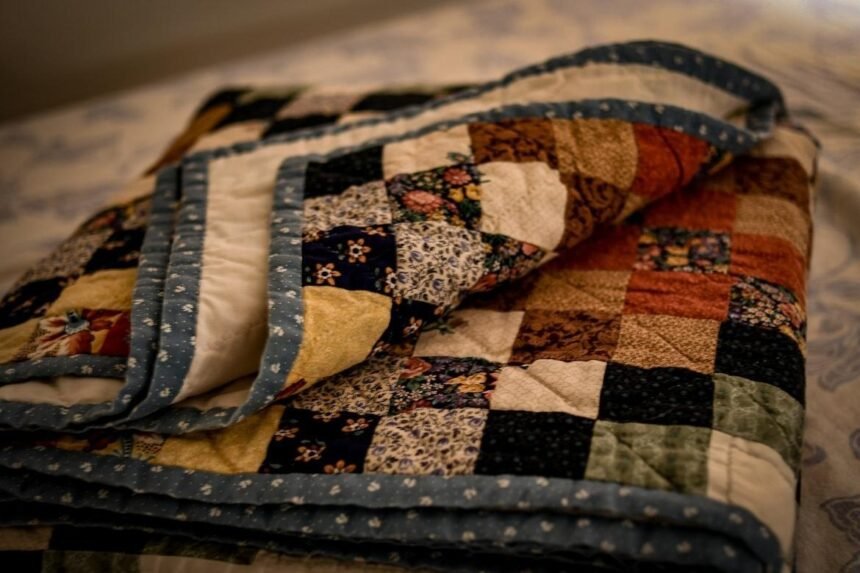
When you picture a cosy, inviting bedroom—the kind that makes you exhale as soon as you walk in—there’s usually a beautiful quilt anchoring the look. A quilt isn’t just about warmth; it’s a statement piece that adds texture, colour, and personality to your space. It can be minimalist or vibrant, classic or modern, and it instantly ties the room together. If you’re shopping for one, or simply wondering why quilts get so much love from designers and sleep enthusiasts alike, this comprehensive guide covers everything you need to know.
What Makes Bedroom Quilts Essential?
Quilts are more than bedding; they’re functional décor. On a practical level, they offer comfort without bulk, making them ideal in a wide range of climates and seasons. On a stylistic level, quilts bring dimension—think stitched patterns, patchwork designs, and tactile fabrics that turn a bed into the focal point of the room. Because they’re typically lighter than duvets and more structured than blankets, quilts can be used as bedspreads for a crisp, tailored look or casually layered for a lived-in, cosy feel.
Well-chosen quilts do double duty: they keep you comfortable through the night and elevate your bedroom’s design during the day. That versatility is why they’re beloved by interior stylists and everyday sleepers alike.
Benefits of Choosing the Right Quilt
1) Year-Round Comfort
A good quilt balances warmth and breathability. Unlike heavy comforters, the best quilts use lightweight batting that traps just enough air for insulation without making you overheat. That makes quilts perfect for all seasons: use one alone during warmer months, then layer it with a blanket or duvet when temperatures drop.
2) Style Upgrade
From understated solids to intricate stitching and bold patterns, quilts add sophistication and visual interest. The texture of quilting—whether diamond, channel, or ornate motifs—introduces depth to a room, and the colour or pattern can complement or contrast your existing palette to create a cohesive look.
3) Easy Care
Most modern quilts are machine-washable, and many are tumble-dry friendly on low heat. That means simpler maintenance than dry-clean-only bedspreads. Plus, quilts often show less wear after repeated laundering compared to lofty comforters that can clump.
4) Versatility
Quilts shine in multiple roles:
- As a bedspread, they provide a clean, hotel-like finish.
- As a decorative throw, they bring colour and texture to the foot of the bed or a reading chair.
- As an extra layer, they add warmth during cool nights without the weight of a full duvet.
5) Durable and Long-Lasting
Quality quilts with strong stitching and resilient materials withstand daily use, frequent washing, and seasonal changes without losing shape or softness.
Anatomy of a Quilt: What’s Inside Matters
Understanding how a quilt is made helps you choose wisely:
- Shell (Top & Back Fabric): This is the fabric you see and feel. Cotton is common for softness and breathability, while Tencel/lyocell blends offer a silky, cool touch. Microfibre (polyester) can be more durable and wrinkle-resistant.
- Batting (Fill): The insulating layer sandwiched between the top and back. Batting thickness and material determine warmth, weight, and drape.
- Quilting (Stitching): The stitches that hold everything together. Besides being decorative, quilting prevents the batting from shifting, ensuring even warmth and a neat appearance over time.
Materials: Pros and Cons
Cotton
- Pros: Breathable, soft, natural feel, easy to wash.
- Cons: Can take longer to dry; pure cotton may wrinkle more than blends.
Microfibre/Polyester
- Pros: Durable, wrinkle-resistant, budget-friendly, quick-drying.
- Cons: May feel warmer; breathability depends on fabric weave.
Tencel/Lyocell
- Pros: Smooth, cool-to-the-touch, excellent moisture management, eco-forward production process.
- Cons: Usually higher price point; care labels may recommend gentler cycles.
Blends (Cotton-Poly, Cotton-Tencel)
- Pros: Balanced performance (softness + durability), reduced wrinkling, easier care.
- Cons: Feel can vary widely; check fabric weight and weave for breathability.
Batting Options
- Cotton batting: Breathable, flatter profile, great for warm climates and a sleek bedspread look.
- Polyester batting: Lofty, lightweight, and often warmer for the weight; dries quickly.
- Wool batting: Excellent temperature regulation; warm without being sweaty.
- Bamboo-derived batting: Soft, breathable, and moisture-wicking; often marketed as eco-friendly.
Tip: If you sleep hot, prioritise breathable shells (cotton, Tencel) and lighter batting. If you want more warmth without bulk, wool or high-loft polyester can be ideal.
Size and Fit: Getting the Proportions Right
A quilt should fit your bed comfortably and drape to your taste. Here are general guidelines (measure your mattress height too, especially if you use toppers):
- Single/Twin: ~170–180 cm x 220–230 cm
- Double/Full: ~200–210 cm x 230–240 cm
- Queen: ~230–240 cm x 240–260 cm
- King: ~260–280 cm x 260–280 cm
- California King: ~270–290 cm x 260–290 cm
If you prefer a bedspread look (edges reaching near the floor), go a size up or choose “oversized” quilts. For a modern layered look (exposed bed skirt or frame), standard sizes are fine.
Warmth and Breathability: Reading Between the Labels
Quilts don’t always list “tog” like duvets. Instead, look for clues such as GSM (grams per square metre) for the batting or overall fabric weight. Lower GSM typically means lighter, cooler quilts; higher GSM indicates more warmth and heft. Fabric weave matters, too: percale feels crisp and breathable, while sateen feels smoother and slightly warmer.
Rule of thumb:
- Warm/humid climates: Lighter GSM, cotton or Tencel shell, cotton or bamboo batting.
- Cooler seasons: Mid-to-high GSM, polyester or wool batting, or layer a light quilt over a blanket.
Design and Style: Make It Yours
- Solids and Neutrals: For minimalist or serene bedrooms, choose neutral solids (white, cream, taupe, sage) with subtle quilting like channel or diamond for understated texture.
- Patterned & Patchwork: Add character with florals, geometrics, stripes, or classic patchwork. These can either complement your colour scheme or become a bold focal point.
- Wholecloth Quilts: A single fabric with ornate stitching; perfect if you want texture without busy prints.
- Colour Strategy:
- Tie in with curtains, rugs, or cushions for cohesion.
- Use complementary colours (e.g., navy and mustard; blush and charcoal) for contrast.
- Introduce seasonal accents—lighter hues for warm months, richer tones for cooler months.
Extra Features That Add Value
- Cooling Technologies: Moisture-wicking fibres (Tencel, bamboo viscose), breathable weaves, and lightweight batting.
- Hypoallergenic: Tight-weave shells and synthetic or treated fills to reduce allergen retention.
- Organic Certifications: Organic cotton shells and eco-certified dyes for those prioritising sustainability.
- Reversible Designs: Two looks in one—great for quick style refreshes.
- Pre-Washed or Garment-Washed: Softer hand-feel and reduced shrinkage out of the box.
How to Choose the Perfect Bedroom Quilt (Step-by-Step)
- Define Your Priority: Comfort (cool/warm), style (minimalist/bold), easy care, or sustainability.
- Pick Materials:
- Hot sleeper? Cotton or Tencel shell; low to mid GSM batting.
- Need warmth? Wool or lofty polyester batting.
- Select the Look: Decide on colour palette, pattern scale, and quilting style that suits your room’s vibe.
- Check Size: Measure mattress width/length and depth (especially tall mattresses). Consider oversizing for a luxurious drape.
- Evaluate Care Labels: Ensure it’s machine-washable and dryer-safe on low if you prefer easy maintenance.
- Assess Durability: Reinforced stitching, quality binding, and well-distributed quilting prevent bunching and premature wear.
- Set a Budget: Balance quality with price. A mid-range quilt with durable materials often outlasts cheaper, poorly stitched options.
Care and Maintenance: Keep It Beautiful
- Wash Frequency: Every 4–8 weeks for regular use; more often if used as a top layer with skin contact.
- Washing: Gentle cycle, cold to warm water, mild detergent. Avoid bleach and fabric softeners (they can weaken fibres and finishes).
- Drying: Tumble dry on low with dryer balls to keep the quilt fluffy and distribute batting; or air-dry flat to preserve shape.
- Storage: Store clean, fully dry quilts in a breathable cotton bag. Avoid plastic containers that trap moisture.
- Sun & Fresh Air: Occasionally air out your quilt to release odours and moisture—indirect sunlight helps, but avoid prolonged exposure that could fade colours.
Layering and Styling Tips
- Hotel-Style: Lay your quilt as a full bedspread, fold the top 20–30 cm down over crisp sheets, and add two to four pillows plus a pair of euro shams.
- Designer Casual: Drape the quilt two-thirds across the bed with a contrasting throw at the foot. Mix textures—linen sheets, velvet cushions—for depth.
- Seasonal Switch: Rotate colours and weights with the seasons. Light neutrals and breathable fabrics for warm months; deeper hues and plusher textures for cooler months.
- Pattern Play: If your quilt is patterned, keep sheets solid. If the quilt is solid, play with patterned shams or a textured throw.
Common Mistakes to Avoid
- Choosing Style Over Comfort: A beautiful quilt that traps heat won’t see much use. Match materials to how you sleep.
- Ignoring Fit: A too-small quilt can look skimpy; a too-large one may drag on the floor. Measure before buying.
- Hard-to-Care Fabrics: If you want an everyday quilt, make sure it’s machine-washable and dryer-safe on low.
- Colour Clashes: Test how the quilt looks with your existing sheets, curtains, and wall colour. Order fabric swatches if possible.
Budget vs. Premium: Where to Invest
- Worth the Splurge: High-quality shell fabric (long-staple cotton, Tencel), robust quilting, and well-chosen batting. These directly impact comfort and longevity.
- Save Smart: Simple designs, polyester blends, and reversible styles can be budget-friendly without sacrificing everyday performance.
Sustainability Considerations
Look for organic or responsibly sourced materials, low-impact dyes, and durable construction that reduces the need for frequent replacement. Timeless colours and patterns help your quilt remain stylish for years, supporting a more sustainable wardrobe for your home.
Quick Buying Checklist
- Comfort Goal: Cooling / All-season / Warm
- Shell Fabric: Cotton / Tencel / Microfibre / Blend
- Batting: Cotton / Polyester / Wool / Bamboo-derived
- Size & Drape: Standard vs. Oversized; mattress height measured
- Design: Solid / Patterned / Patchwork / Wholecloth; quilting style
- Care: Machine-washable? Dryer-safe on low?
- Durability: Reinforced stitching, even quilting, quality binding
- Extras: Hypoallergenic, reversible, organic certifications
Upgrade Your Sleeping Space With a Bedroom Quilt
A bedroom quilt is more than a practical layer—it’s an investment in comfort and style. Choose the right materials and fit, align the design with your décor, and care for it properly, and you’ll have a versatile piece that transforms your room into a warm, inviting retreat that truly reflects your personality. Whether you favour timeless elegance or modern flair, there’s a quilt out there ready to complete your space.