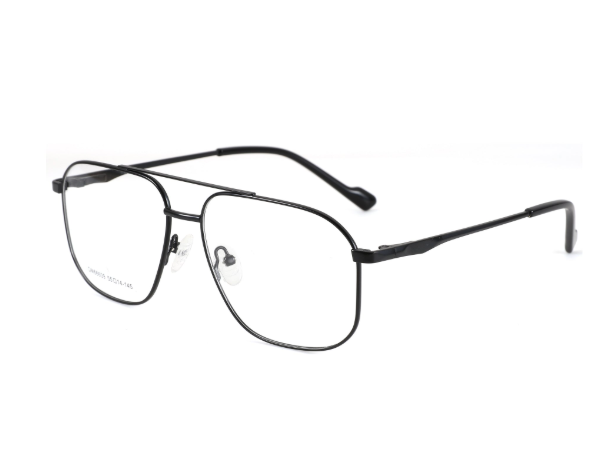
Have you ever tried on a pair of glasses in a shop, glanced in the mirror, and thought something felt slightly off, even though you could not name what it was? That quiet hesitation is worth paying attention to. Eyewear sits on the most expressive part of the body, and the frame you choose can either echo the character of your face or work against it. Men who invest time in shirts, watches, and shoes often overlook this detail, then wonder why their look never quite locks in. This guide walks through the practical questions worth asking before your next pair lands on your nose, from face shape and lifestyle to material, color, and long-term comfort. The goal is not to chase trends but to help you recognize what actually works for you.
Why Frame Choice Matters More Than Most Men Realize
Glasses are one of the few accessories worn continuously, from morning coffee to late-night reading. Because of that constant presence, even small mismatches, such as a bridge that sits too low or a temple that pinches slightly, are amplified over the course of a day. A well-chosen pair does the opposite. It disappears into your routine while quietly sharpening how you present yourself. Many men treat eyewear as a purely medical purchase, then feel disconnected from the finished look. Treating it as a considered style decision, on par with a good jacket, changes the outcome. If you are exploring options and want a broad starting point, a curated collection of Men’s Eyeglasses can help you see the range of shapes, materials, and finishes side by side before narrowing down.
How Do You Read Your Own Face Shape Honestly?
Face shape is the foundation, and most men either guess wrong or skip the step entirely. The classic categories, round, oval, square, rectangular, oblong, and heart-shaped, are useful starting points rather than strict boxes. A quick way to check is to pull your hair back, look straight into a mirror, and notice which line dominates. Is your jawline the widest part, or your cheekbones? Are the sides of your face nearly parallel, or do they taper? It also helps to snap a straight-on photo in flat, even lighting, since a still image reveals proportions your eye tends to smooth over in real time. Measure roughly with your fingers if you want a sanity check: the width of your forehead, cheekbones, and jaw usually tells the story within a few seconds. The general principle is contrast. Softer, curved faces tend to look more defined with angular frames, while sharper, angular faces are balanced by rounder or slightly softened shapes. Oval faces have the most flexibility and can experiment freely. This is not about hiding anything. It is about letting the frame set up a visual conversation with your features rather than repeating them.
What Should Your Lifestyle Tell You About Frames?
Style rarely survives contact with real life if the frame does not match how the day actually unfolds. A man who commutes, sits through video calls, drives at dusk, and reads before bed has different needs than someone who spends the day outdoors or on a workshop floor. Think about how many hours the glasses will be on your face, whether you switch between screens and street, and how often you handle them with one hand. Consider the little friction points too: pulling a sweater over your head, tucking the glasses into a shirt pocket, or setting them face-down on a desk during a call. Frames that survive those small habits without loosening or scratching are the ones you actually keep reaching for. Light, flexible materials feel easier during long wear. Sturdier acetate holds up well to daily commuting and gives a warmer look. Metal frames read clean and modern but can feel colder in winter. If you rotate between formal meetings and casual weekends, a pair that leans neutral, neither too bookish nor too bold, tends to travel best across situations.
Are You Choosing Color That Actually Works With You?
Frame color deserves more thought than it usually gets. It interacts with your skin tone, hair color, eye color, and the palette of clothes you already own. Warm complexions tend to sit comfortably alongside tortoise, honey, amber, and warm browns. Cooler complexions often pair well with black, gunmetal, dark navy, and clear or crystal finishes. If your wardrobe leans toward earth tones, a matte brown or olive frame can feel like a natural extension. If you wear a lot of monochrome and structured pieces, a defined black or dark tortoise adds shape without noise. A quick test is to hold two contrasting options up to your face in natural daylight. The one that makes your features look rested, rather than washed out or overshadowed, is usually the right direction.
What Details Separate a Good Fit From a Great One?
Fit is where most disappointment happens, and it is often invisible in photos. The top rim of the frame should sit at or just below your eyebrows, not cut through them. Your eyes should land roughly in the horizontal center of each lens. The temples should rest lightly on the sides of your head without leaving marks after a few hours, and the bridge should hold the frame in place without sliding when you look down. Pay attention to how the frame behaves when you smile or laugh, since cheeks lifting into the lower rim is a common oversight that only surfaces once you leave the shop. Nose pads on metal frames can be adjusted, but the base shape of the frame cannot, so start with something close to right. Weight distribution matters too. A frame that looks perfect but presses on one spot will become unbearable by evening. Small trials at home, such as reading for thirty minutes or walking a block, often reveal what a quick mirror check misses.
How Should Materials and Craftsmanship Influence Your Pick?
Materials shape both feel and longevity. Acetate, a plant-based plastic, offers rich color depth and a substantial hand feel that many men prefer for everyday wear. Titanium frames are exceptionally light, resistant to corrosion, and forgiving on the skin, which makes them a strong choice for anyone sensitive to heavier materials. Stainless steel sits in between, offering durability and a slim profile. Combination frames pair a metal bridge or temples with acetate fronts, blending strength and warmth. Look at the hinges as well. Well-made hinges open and close with quiet resistance rather than a loose flop, and spring hinges add flexibility for men who tend to push glasses on and off frequently. Brands that pay attention to these small mechanical details, ZENOTTIC among them, usually deliver frames that stay comfortable long past the first month of wear.
Should You Adapt Your Look Across Seasons?
Some men own a single pair and rotate it through every season and setting. Others build a small rotation, similar to how they might approach shoes. Neither approach is wrong, but each has trade-offs. A single well-chosen pair simplifies life and encourages a consistent visual identity. A rotation allows you to shift between a lighter, more relaxed frame in summer and a sturdier, richer frame in colder months. If you decide to build a rotation, start with one versatile everyday frame in a neutral color, then add a second that offers contrast, perhaps a bolder shape, a warmer color, or a different material. Avoid buying two very similar pairs. The point of a second frame is to expand what you can express, not to duplicate what you already have.
What Common Mistakes Are Worth Avoiding?
A few missteps come up repeatedly. Choosing frames that are too small for the face shrinks features and creates a boxed-in look. Choosing frames that are too large, especially with heavy fronts, can overwhelm softer features. Following a trend that clashes with your face shape rarely ages well in photos. Ignoring the fit of the bridge is another quiet mistake, because a slipping frame is not just annoying, it also throws off how your lenses align with your eyes. Finally, buying glasses under harsh store lighting without checking them in daylight can lead to color surprises. Taking a short walk outside with the frame on before committing is a simple, revealing step.
How Can You Make the Final Decision With Confidence?
Once you have narrowed the field to two or three candidates, stop looking for the perfect answer and start looking for the honest one. Which frame do you keep glancing back at? Which one feels like something you would wear in a photo you actually like? Which one your friends and family recognize as unmistakably you? Confidence comes from alignment, when the frame supports the version of yourself you already are, rather than trying to become someone else. Trust that quieter signal. It is usually right.
Turning a Simple Purchase Into a Signature Choice
The right pair of glasses is not the loudest one in the shop or the one currently trending online. It is the pair that fits your face, matches your rhythm, and holds up across seasons and situations. By paying attention to face shape, lifestyle, color, fit, and material, you replace guesswork with a set of clear, personal filters. Take your time, try more than one option, and give each candidate a real chance to prove itself in daylight and daily wear. Whether you are refreshing a long-standing look or building your first considered rotation, the effort pays back every time you catch your reflection and feel something quietly click. That is what a signature choice feels like.