Introduction
For those interested in Jewish culture and traditions, a common question might arise: What Jewish holiday is today? Jewish holidays hold deep religious and cultural significance, often offering moments for celebration, reflection, or remembrance. Understanding the rich tapestry of these holidays can provide a deeper insight into the Jewish faith and its customs.
In this article, we will explore the importance of Jewish holidays, how to determine which one is being observed today, and delve into some of the most notable holidays celebrated throughout the year.
Jewish Holidays: A Snapshot
Jewish holidays are rooted in the Hebrew calendar, which differs from the Gregorian calendar used in much of the world today. The Hebrew calendar is based on both lunar and solar cycles, and as a result, Jewish holidays occur on different dates each year in the Gregorian calendar. The holidays typically follow a spiritual or agricultural theme, commemorating key events from Jewish history, the Torah, and seasonal changes.
The Hebrew Calendar
Unlike the widely recognized Western calendar, the Hebrew calendar contains 12 months in a regular year and 13 months in a leap year. The months begin with the new moon, and each month has either 29 or 30 days. This unique calendar system means that Jewish holidays are not fixed to specific dates each year. Instead, they vary, which is why the question What Jewish holiday is today? can change each year.
Common Jewish Holidays
1. Rosh Hashanah: The Jewish New Year
What is Rosh Hashanah?
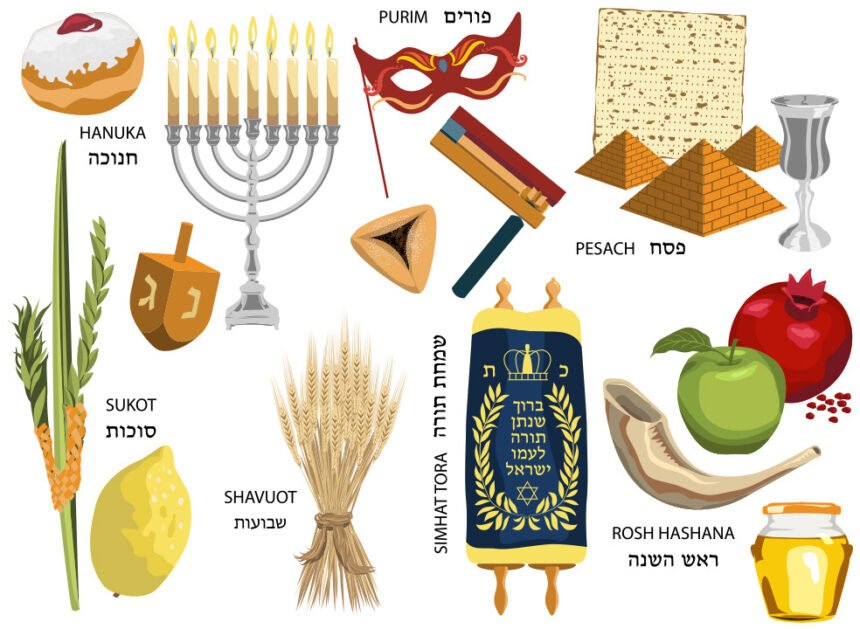
Rosh Hashanah marks the beginning of the Jewish New Year, typically celebrated in September. It is a time for reflection, repentance, and renewal. The holiday is observed with prayer services, blowing the shofar (a ram’s horn), and a festive meal featuring sweet foods like apples dipped in honey to symbolize a sweet year ahead.
Rosh Hashanah in the Context of Jewish Holidays
Rosh Hashanah is not just a celebration of the new year but also a time for personal and communal reflection. It begins the “Ten Days of Repentance,” culminating in Yom Kippur, the Day of Atonement.
2. Yom Kippur: The Day of Atonement
The Meaning of Yom Kippur
Yom Kippur is one of the holiest days in the Jewish calendar. Observed 10 days after Rosh Hashanah, it is a day dedicated to fasting, prayer, and seeking forgiveness. Jews believe that on Yom Kippur, God seals the fate of individuals for the upcoming year, making it a critical time for personal introspection and spiritual renewal.
3. Passover (Pesach): A Time of Liberation
Passover and Its Significance
Passover is a springtime holiday that commemorates the Exodus, the liberation of the Israelites from slavery in Egypt. It is celebrated with a special meal known as the Seder, where families gather to retell the story of the Exodus through prayers, songs, and the consumption of symbolic foods like matzah (unleavened bread) and bitter herbs.
The Key Themes of Passover
Passover highlights themes of freedom, deliverance, and the importance of remembering historical events that shaped Jewish identity. It’s a time for Jewish families to come together and reflect on the struggles and triumphs of their ancestors.
4. Hanukkah: The Festival of Lights
What is Hanukkah?
Hanukkah, often referred to as the Festival of Lights, is an eight-day holiday celebrated in late November or December. It commemorates the rededication of the Second Temple in Jerusalem and the miracle of the oil that burned for eight days despite only having enough oil for one. During Hanukkah, families light a menorah, eat traditional foods like latkes (potato pancakes), and exchange gifts.
5. Shabbat: The Weekly Day of Rest
Shabbat’s Importance
Shabbat, observed every week from Friday evening to Saturday evening, is a central aspect of Jewish life. It’s a day dedicated to rest, reflection, and family. Observant Jews refrain from work and engage in prayer, meals, and time with loved ones. Shabbat serves as a reminder of the creation of the world and the covenant between God and the Jewish people.
How to Determine Which Jewish Holiday is Today
Because Jewish holidays are based on the Hebrew calendar, it’s not as simple as just looking at the date on the calendar. There are several ways to find out which Jewish holiday is being observed today:
1. Using a Jewish Calendar
One of the easiest ways to check what Jewish holiday is today is by using a Jewish calendar. These calendars are available both online and in print, and they provide the exact dates for each holiday, along with the corresponding day of the week.
2. Checking Online Resources
Several websites and apps offer up-to-date information on Jewish holidays. Sites like Chabad.org, MyZmanim, and Hebcal provide a calendar of Jewish events and include the specific date for each holiday, helping users stay informed.
3. Community and Synagogue Notices
Many synagogues and Jewish community centers will display a list of upcoming holidays and services. It’s common for these institutions to send out newsletters or post announcements regarding which holiday is coming up, so you can easily find out what holiday is being celebrated today.
4. Consult a Jewish Religious Leader
If you are unsure about which holiday is today, consulting a rabbi or other religious leader in the Jewish community is always a reliable option. They can offer guidance on the current holiday and its significance.
Key Jewish Holidays in Detail
1. Sukkot: The Festival of Booths
What is Sukkot?
Sukkot, also known as the Festival of Booths, takes place in the fall, typically in September or October. It commemorates the Israelites’ journey through the desert after their escape from Egypt. Jews build temporary booths, called sukkahs, where they eat meals and sometimes sleep during the holiday. The holiday emphasizes hospitality, with a focus on the transient nature of life and God’s protection.
2. Purim: A Time for Celebration
The Story of Purim
Purim, celebrated in the spring, marks the salvation of the Jews in Persia as told in the Book of Esther. It is a joyful holiday that involves reading the Megillah (the Book of Esther), giving gifts of food to friends, and charitable donations. The holiday is characterized by feasting, merriment, and the wearing of costumes.
Why Are Jewish Holidays Important?
Jewish holidays provide more than just a reason to gather and celebrate. They offer a chance to reconnect with Jewish traditions, history, and spirituality. Each holiday teaches something new about faith, values, and the Jewish community’s role in the world. Whether it’s the introspection of Yom Kippur, the celebration of freedom during Passover, or the joy of Hanukkah, Jewish holidays serve to foster a sense of community and remind people of their rich heritage.
Conclusion
So, what Jewish holiday is today? The answer depends on the time of year and the specific holiday cycle in the Jewish calendar. With holidays ranging from the somber observance of Yom Kippur to the joyful celebration of Hanukkah, each holiday has its unique significance. Understanding the meaning behind these holidays can provide a deeper appreciation of Jewish culture, tradition, and faith.
If you are ever wondering which Jewish holiday is being observed today, checking a Jewish calendar, using online resources, or visiting a local synagogue will give you the information you need. In the meantime, embrace the spirit of the current holiday and reflect on its meaningful traditions.