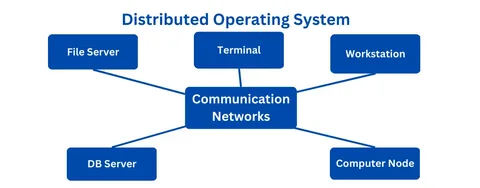
In software development, applications are often built using a distributed system architecture. With the rise of microservices, APIs, and cloud-native technologies, troubleshooting and debugging these complex systems can become a challenge. Developers need the right tools and strategies to pinpoint issues and ensure smooth operation.
One such tool that has become indispensable in debugging distributed systems is the Trace ID. But what is trace ID, and how does it help in debugging? Let’s understand these aspects in this blog.
What Is Trace ID?
A trace ID is a unique identifier assigned to a request as it travels through various services in a distributed system. Think of it as a “tracking number” that enables developers to track the lifecycle of a request across multiple services, databases, and APIs.
In distributed systems, requests often move through multiple services, each performing specific tasks. These services communicate via APIs, message queues, or event-driven architectures. While this approach enables more modular and scalable systems, it can also lead to challenges when attempting to trace errors or issues in a request’s journey.
The trace ID solves this problem by providing a way to track each request across all the microservices and components it interacts with. It ensures that developers can monitor each request as it passes through the system and easily correlate logs and events to troubleshoot problems.
Dive deeper into what is trace ID and how it can transform your debugging process.
Why Is Trace ID Important in Distributed Systems?
Distributed systems, by their very nature, are complex. In a microservices architecture, a single user request might trigger a series of microservices to fulfill the task. The sheer number of moving parts can make traditional debugging methods, such as reviewing logs, feel overwhelming and inefficient. However, trace IDs provide a relief from this complexity, making it much easier to pinpoint and resolve issues.
Here’s where trace IDs come into play.
- When a request passes through various services, the trace ID ensures that every action it triggers can be consistently tracked and logged.
- This helps developers view the entire journey of a request from start to finish, making it much easier to pinpoint where an issue occurs.
Example: Consider a scenario where a customer purchases on an e-commerce website. The transaction may involve multiple services, including authentication, inventory check, payment gateway, order processing, and shipping. If there is a problem with the order, a trace ID enables developers to track the request across all these services, making it easier to identify where the issue originated.
Additionally, when issues arise in distributed systems, it’s often difficult to identify whether the problem lies on the client side, the server side, or somewhere in between. With trace IDs, developers can have complete visibility of each step, ensuring that they can narrow down the cause of an issue much faster.
How Does Trace ID Work in Debugging?
To understand how trace ID helps in debugging, let’s break down how it works in practice.
-
Assigning a Trace ID to a Request
The trace ID is usually generated when a request first enters the system, typically at the entry point, which in many cases is the API gateway. The API gateway is the first point of contact for a request and is responsible for assigning a unique trace ID to it. This trace ID is then passed along to subsequent services as the request continues its journey through the system.
-
Tracking the Request Across Services
As the request travels through different microservices, each service adds its logs and metadata related to the request. The trace ID is included in all these logs, ensuring that developers can see the request’s progress and trace its flow across different components.
-
Analyzing Trace Data to Debug
Once the trace ID has been tracked across the system, developers can utilize tools such as distributed tracing systems to analyze the data. These tools aggregate trace data, providing a visual representation of how requests move across services.
In most cases, they generate a trace map that allows them to see the path of each request and understand how long each service took to respond.
If there’s an error in the process, the trace map will highlight the service or component where the request failed or took too long. For example, a slow response from a database or an API call failure can be easily traced back to its source using the trace ID.
Additionally, trace data is often enriched with logs and other metadata, which can help you identify specific issues.
Example: If a request takes longer than expected, the trace map will show you which service is causing the delay, allowing you to investigate further.
By using trace IDs, you can quickly identify issues, improve system performance, and enhance the overall user experience.
Explore what is trace ID to gain a deeper understanding of how it works and how you can implement it to quickly identify issues, optimize system performance, and improve the overall user experience.
Practical Example of Using Trace ID in Debugging
Let’s examine a practical example to see how trace IDs can aid in debugging a real-world issue in a distributed system.
Scenario: A Failed Payment Transaction
Imagine you’re working on an e-commerce platform, and a customer complains that their payment didn’t go through, but the order still seems to have been placed.
Without trace IDs, debugging this issue would require manually checking logs from various services, such as the payment gateway, order service, and inventory service. You’d likely have to search through massive amounts of log data to correlate information, which could take hours or even days.
But with trace IDs, this becomes much simpler.
- Step 1: Trace the Request: When the payment is processed, a trace ID is generated at the API gateway. The trace ID was then passed through the payment gateway, the order service, and the inventory service. Using distributed tracing tools, you can now search for that trace ID and view its path.
- Step 2: Analyze the Trace: The trace map displays the entire flow of the request, showing that the order was placed successfully in the order service; however, the payment service failed due to an API timeout. The trace map highlights this failure, allowing you to pinpoint precisely where the issue occurred.
- Step 3: Debug the Payment Service: Now that you’ve identified that the issue lies in the payment service, you can investigate the logs from the payment service. The trace ID is included in the payment logs, which indicate that the service was unable to reach the payment processor due to network issues.
With this information, you can resolve the network problem and ensure the payment gateway functions as expected.
By using trace IDs, you’ve not only pinpointed the issue quickly, but you’ve also saved time and effort that would have been spent manually checking logs across multiple services.
Conclusion
In a distributed system, understanding and debugging the flow of requests is essential to ensure the reliability and efficiency of your application. Trace IDs play a crucial role in this process, providing a means to track requests as they progress through various services. They make it easier to identify where failures occur and what might be causing performance bottlenecks.
To learn how distributed tracing and trace ID integration can enhance your debugging process, contact HyperTest.