Have you ever spotted a tiny wasp and wondered what it actually looks like? Baby wasps, often overlooked, play a crucial role in the life cycle of these fascinating insects. While many people focus on adult wasps with their distinctive yellow and black stripes, baby wasps deserve some attention too. Understanding what they look like can help demystify these creatures and provide insight into their behavior. So, let’s dive into the world of baby wasps and uncover their unique physical characteristics!
Physical Characteristics of Baby Wasps
Baby wasps, or larvae, are fascinating creatures that start their lives quite differently from adults. Initially, they appear as tiny white grubs. Their bodies lack the distinct coloration seen in mature wasps.
As they develop within the nest, baby wasps undergo a transformation. They grow slightly larger and may show subtle changes in color. However, this stage remains largely unremarkable compared to their adult counterparts.
One notable aspect is their structure. Baby wasps lack wings and have limited physical features beyond a soft body and small mouthparts for feeding on provided nutrients.
Their environment plays a crucial role in shaping them too. The warmth of the nest helps them thrive during early development stages before they eventually transition into fully formed adult wasps with vibrant colors and striking patterns.
Life Cycle of a Wasp
The life cycle of a wasp is fascinating and consists of four distinct stages: egg, larva, pupa, and adult. It all begins when a queen lays her eggs in the nest. These tiny eggs are usually hidden away for protection.
After about three to five days, the eggs hatch into larvae. At this stage, they look like small white grubs and depend entirely on adult wasps for food. Workers bring them protein-rich meals such as insects or even sugary substances.
As the larvae grow, they enter the pupal stage. Here, they undergo metamorphosis inside a protective cocoon. This transformation can take several days to weeks, depending on environmental conditions.
Mature wasps emerge from their cocoons ready to join their colony’s activities—whether that’s gathering food or defending their home against intruders.
Differences Between Baby Wasps and Adult Wasps
Baby wasps, often referred to as larvae, differ significantly from their adult counterparts. At the larval stage, these young wasps are typically small and white or cream-colored. They lack wings and eyes, appearing more like maggots than insects.
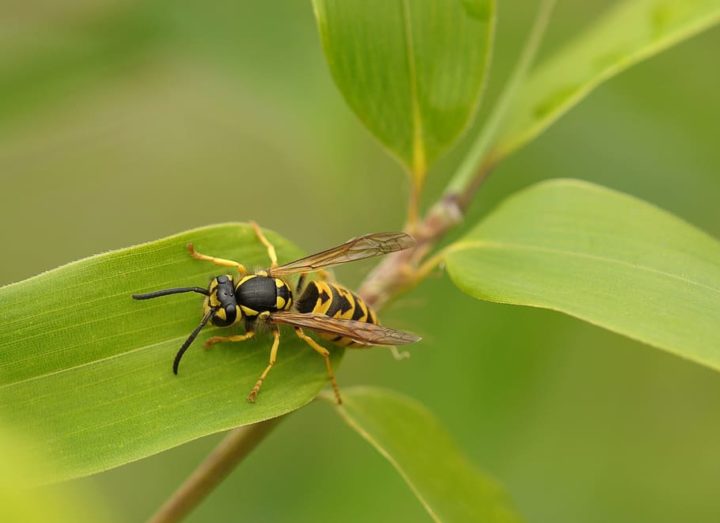
In contrast, adult wasps boast vibrant colors that can range from yellow to black patterns. Their bodies are sleek and elongated with distinct segments divided by narrow waists. Adult wasps also possess wings and a stinger for defense.
Behaviorally, baby wasps depend entirely on the colony for nourishment. They consume food brought to them by worker wasps. Adults have more versatility; they forage for food independently while also caring for new brood.
Understanding these differences helps in identifying which stage of development you’re encountering. It’s crucial when considering safety measures around nests or hives since adults pose a greater risk due to their aggressive nature when threatened.
The Role of the Queen Wasp in Reproduction
The queen wasp holds a vital role in the reproductive cycle of her colony. She is essentially the heart of the nest. Her primary task is to lay eggs, ensuring the continuation of her lineage.
Unlike worker wasps, queens have a unique seasonal life cycle. They emerge from hibernation in spring and set out to establish new colonies. Once they find a suitable location, they start laying fertilized eggs that will become future workers.
These worker wasps take on various tasks within the colony, including foraging and maintaining the nest. The queen also lays unfertilized eggs that develop into males, further contributing to reproduction.
Her pheromones help maintain harmony among colony members by signaling when it’s time for specific roles or actions. This chemical communication is crucial for survival and efficiency within their social structure.
How to Identify a Nest of Baby Wasps
Identifying a nest of baby wasps can be tricky, but certain signs can help you out. Start by looking for small, papery structures that resemble a grayish or brownish ball. These nests often hang from trees, eaves, or fences.
Keep an eye out for activity around the nest. If you see adult wasps buzzing in and out frequently, that’s a strong indication there are larvae inside. They’re usually on the move during warm days.
If you’re feeling adventurous, check for tiny holes at the base of the nest where adults might enter and exit to feed their young.
Be cautious! Disturbing a nest can provoke aggressive behavior from adult wasps protecting their young ones. Always maintain your distance if you suspect a baby wasp colony nearby; it’s wise to observe rather than engage directly.
Safety Tips for Dealing with Baby Wasps
When encountering baby wasps, it’s essential to prioritize safety. First, maintain a safe distance from any nest you may find. Baby wasps are still protected by their parents.
Wear protective clothing if you must be near their habitat. Long sleeves and pants can offer some defense against potential stings.
Avoid swatting at them or making sudden movements; this can provoke the adult wasps nearby. Instead, remain calm and slowly back away.
If you’re dealing with a nest in your home or yard, consider contacting pest control services rather than attempting removal yourself. They have the expertise and tools necessary for safe extraction.
Educate children about avoiding nests. Instilling awareness helps prevent accidental encounters that could lead to stings or allergic reactions. Remember that patience is key when navigating areas where baby wasps reside.
Conclusion
Understanding what baby wasps look like and their behavior is essential for anyone who encounters them. These tiny creatures can be fascinating, with distinct physical characteristics that set them apart from adults. As they grow through their life cycle, the role of the queen wasp becomes increasingly important in ensuring the survival of the colony.
Identifying a nest of baby wasps may help you avoid unwanted encounters. Remember to exercise caution if you come across one, as safety should always be your priority when dealing with these insects. With proper knowledge and awareness, you can appreciate these little beings without unnecessary fear or harm.