The toilet fill valve is a crucial component of your toilet’s flushing system. It plays a vital role in ensuring that your toilet tank fills with the right amount of water after each flush. Despite its importance, the fill valve is often overlooked until it malfunctions. This guide will explain what a toilet fill valve is, how it works, how to choose the right one, and how to maintain and replace it.
What is a Toilet Fill Valve?
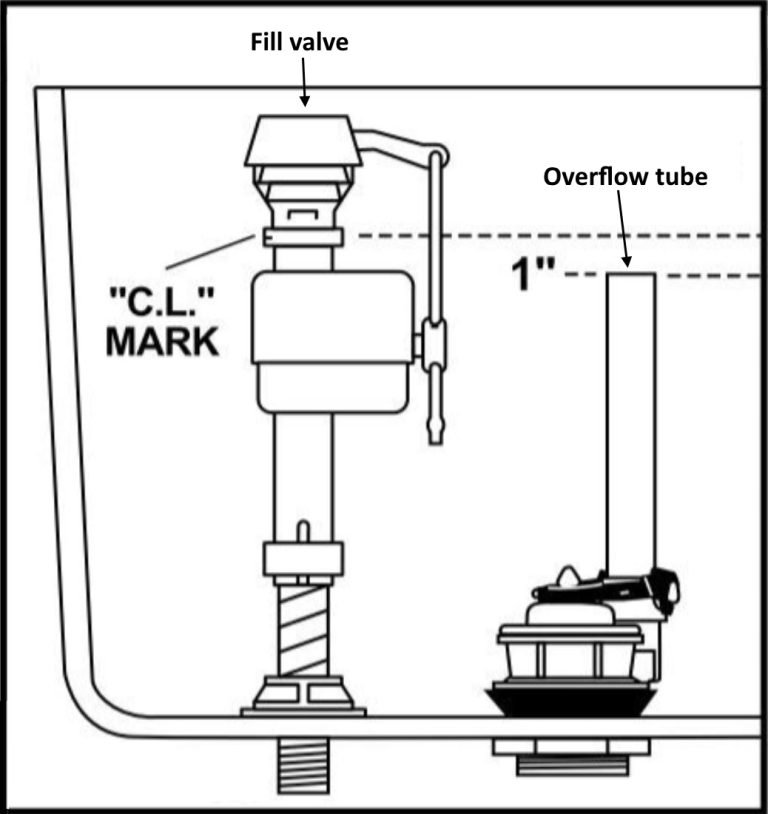
The toilet fill valve is an essential part of the toilet’s water supply system. It controls the flow of water into the toilet tank after a flush and ensures that the tank fills to the correct level. Once the tank reaches the desired water level, the fill valve shuts off the water flow. This system is necessary to maintain the proper water level in the tank, which is required for the toilet to flush effectively.
How Does a Toilet Fill Valve Work?
The fill valve works in tandem with other components of the toilet’s flushing system, such as the flush valve and flapper valve. Here’s a basic overview of how the fill valve operates:
-
Flush Initiated: When you flush the toilet, the water in the tank drains into the bowl through the flush valve.
-
Water Replenishment: As the water level drops, a float mechanism inside the tank drops as well. This triggers the fill valve to open and allow fresh water from the water supply line to flow into the tank.
-
Water Reaches the Correct Level: Once the tank reaches the preset water level, the fill valve automatically shuts off the water flow. This ensures that the tank doesn’t overflow or waste water.
-
Cycle Repeats: This process repeats every time the toilet is flushed, maintaining a consistent water level in the tank.
Types of Toilet Fill Valves
There are several types of toilet fill valves, each with different features and mechanisms. Understanding the differences will help you select the best one for your toilet. The most common types of fill valves include:
Float-Cup Fill Valve
The float-cup fill valve is one of the most commonly used types of fill valves in modern toilets. It features a floating cup that moves up and down with the water level. As the water level rises, the float cup moves upward, closing the valve to stop the flow of water when the tank is full.
Benefits of Float-Cup Fill Valves:
-
Quiet operation: Float-cup valves tend to operate quietly when filling the tank.
-
Compact design: These valves take up less space in the tank, which can be beneficial for toilets with limited space.
-
Adjustable: The float cup is adjustable, allowing you to control the water level in the tank.
Float-Arm Fill Valve
The float-arm fill valve has a float ball attached to an arm that moves up and down with the water level. This traditional design has been used in toilets for many years. When the water level drops, the float ball drops, triggering the valve to open and refill the tank.
Benefits of Float-Arm Fill Valves:
-
Durable: Float-arm fill valves are known for their longevity and durability.
-
Simple design: These valves have a straightforward mechanism, making them easy to repair and maintain.
Pressure-Assisted Fill Valve
A pressure-assisted fill valve is typically used in high-efficiency toilets. It uses air pressure to push water into the tank at a higher rate than a standard gravity-fed fill valve. These valves are known for providing faster tank refills.
Benefits of Pressure-Assisted Fill Valves:
-
Faster refills: Pressure-assisted fill valves can fill the tank more quickly, reducing waiting time between flushes.
-
Energy-efficient: These valves are used in modern low-water usage toilets, which help conserve water.
Common Problems with Toilet Fill Valves
Over time, the toilet fill valve may encounter issues that prevent it from working properly. Recognizing and addressing these problems promptly can help prevent damage to the toilet and save you from costly repairs. Here are some common issues with toilet fill valves:
Toilet Fill Valve Continues to Run
If the toilet fill valve continues to run after the tank has filled, it could indicate a malfunctioning valve or a problem with the float mechanism. This can result in a constant flow of water into the tank, leading to water wastage and increased water bills.
Possible Causes:
-
The float is set too low, causing the valve to stay open.
-
The fill valve is clogged or damaged.
-
A worn-out washer or seal can prevent the valve from closing completely.
Weak or Inconsistent Water Flow
If you notice that your toilet is filling slowly or the water flow seems weak, there could be a problem with the fill valve. The issue may stem from mineral deposits or dirt clogging the valve, which can restrict the water flow.
Possible Causes:
-
Clogged valve: Sediment buildup from hard water can clog the fill valve over time.
-
Low water pressure: If your home has low water pressure, the fill valve may not function properly.
Leaking Fill Valve
A leaking fill valve can waste a significant amount of water and increase your water bill. Leaks can occur around the valve or where the water supply line connects to the valve.
Possible Causes:
-
Loose connection: The connection between the fill valve and the water supply may be loose, causing water to leak out.
-
Damaged seal: A damaged seal or gasket on the valve can cause water to leak out.
How to Choose the Right Toilet Fill Valve
Selecting the right toilet fill valve is important to ensure efficient operation and avoid future problems. Here are some factors to consider when choosing a fill valve for your toilet:
Type of Toilet
Different types of toilets may require different fill valve designs. For example, a high-efficiency toilet may work better with a pressure-assisted fill valve, while a traditional toilet may perform well with a float-arm or float-cup valve. Be sure to choose a fill valve that is compatible with your toilet model.
Water Pressure
If your home has high or low water pressure, this may influence the type of fill valve you choose. Pressure-assisted fill valves are ideal for homes with high water pressure, while low-pressure systems may benefit from a quieter, slower float-cup fill valve.
Ease of Installation
Some fill valves are easier to install than others. If you are replacing the fill valve yourself, consider choosing a model that is easy to install and comes with clear instructions. Many modern fill valves are designed for DIY installation and require no special tools.
How to Replace a Toilet Fill Valve
Replacing a faulty toilet fill valve is a straightforward task that most homeowners can do themselves. Here’s a step-by-step guide to replacing the fill valve:
Turn off the Water Supply
Before working on the toilet, make sure to turn off the water supply. You can usually do this by shutting off the valve located behind the toilet.
Empty the Tank
Flush the toilet to drain the water from the tank. Use a sponge or towel to remove any remaining water in the tank.
Remove the Old Fill Valve
Loosen the lock nut that secures the fill valve to the bottom of the tank. Once it’s loose, pull the old valve out and disconnect the water supply line.
Install the New Fill Valve
Insert the new fill valve into the tank and secure it in place with the lock nut. Reattach the water supply line to the valve and tighten the connection.
Adjust the Water Level
Most fill valves allow you to adjust the water level in the tank. Use the adjustment screw or dial to set the water level to the manufacturer’s recommended height.
Turn on the Water Supply
Turn the water supply back on and allow the tank to refill. Check for leaks around the connections and ensure the fill valve is functioning properly.
Maintaining Your Toilet Fill Valve
Regular maintenance can help extend the life of your toilet fill valve and keep it functioning efficiently. Here are some tips for maintaining your fill valve:
Clean the Fill Valve
Over time, mineral deposits from hard water can clog the fill valve. Periodically clean the valve by removing it and soaking it in a mixture of vinegar and water to dissolve any buildup.
Check for Leaks
Inspect the fill valve regularly for leaks, especially around the connection points. If you notice any leaks, tighten the connections or replace damaged seals as needed.
Replace Worn Parts
If you notice any issues with the fill valve, such as slow water flow or running water, replace worn or damaged parts immediately to avoid further problems.
Conclusion
The toilet fill valve is a crucial component of your toilet system, responsible for ensuring that your tank fills with the correct amount of water after each flush. Whether you’re dealing with a malfunctioning valve or simply replacing an old one, understanding how the fill valve works, choosing the right one, and maintaining it properly are all essential for a smoothly functioning toilet.
With the proper knowledge, replacing and maintaining a toilet fill valve can be an easy DIY task. By taking care of your fill valve, you can prevent leaks, save water, and ensure your toilet works efficiently for years to come.