In recent years, mental health professionals have increasingly turned to Compassion Focused Therapy (CFT) as an effective approach for clients who struggle with shame, self-criticism, and low self-worth. Developed by Dr. Paul Gilbert, CFT integrates principles from evolutionary psychology, neuroscience, and cognitive-behavioral therapy to encourage the development of a compassionate mind and promote emotional well-being. By focusing on how individuals relate to themselves and applying compassionate strategies, CFT supports emotional regulation and resilience in the face of psychological distress.
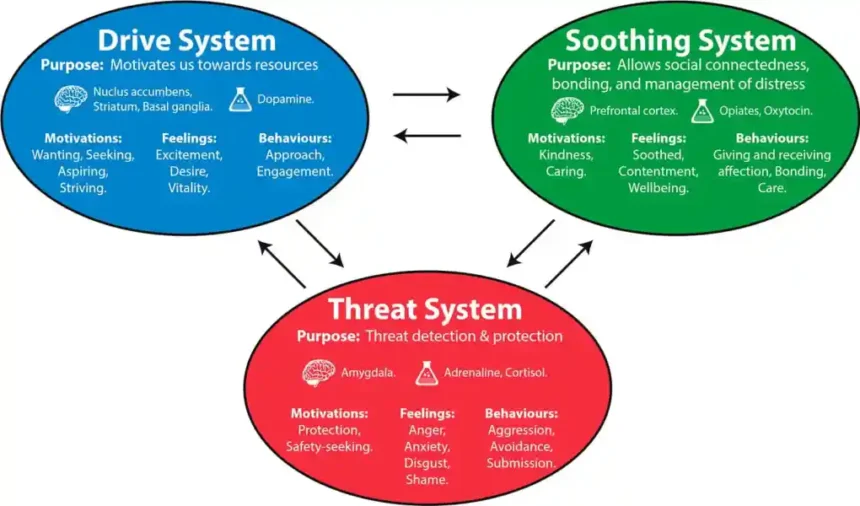
One of the central ideas behind CFT is the understanding that our brains have evolved with systems designed for threat detection, drive, and soothing. When the threat system dominates—as is common in individuals with high levels of self-criticism—people may become stuck in patterns of anxiety, depression, and avoidance. CFT works to strengthen the soothing system, thereby improving emotional balance and psychological flexibility. For practitioners seeking to develop these skills in clinical settings, compassion focused therapy training courses provide a robust foundation in both theoretical knowledge and applied techniques.
Core to CFT are three affect regulation systems:
the threat protection system, the incentive/resource-seeking system, and the soothing/contentment system. Each plays a unique role in how individuals respond to their internal and external experiences. People suffering from mental health challenges are often dominated by their threat system. CFT promotes the cultivation of the soothing system through imagery, compassionate self-talk, and mindfulness, helping clients rebalance their emotional responses and develop healthier internal dialogues.
A fundamental technique in CFT is the use of compassionate imagery.
This involves guiding clients to imagine a version of themselves or another entity that embodies warmth, strength, and understanding. Over time, this practice helps clients internalize a self-compassionate voice that can respond to distressing thoughts or emotions in a supportive, nonjudgmental way. This exercise can be particularly helpful for people recovering from early experiences of neglect or harsh parenting, where the internal critic has been shaped by years of unkind self-perception.
In addition to imagery.
CFT incorporates methods such as compassionate letter writing, role-playing between the inner critic and the compassionate self, and grounding techniques. These interventions not only foster emotional stability but also engage clients in the process of re-scripting their life narratives. The therapist plays an active, encouraging role in helping the client challenge distorted beliefs and replace them with compassionate and realistic alternatives.
The theoretical backbone of CFT is informed by evolutionary psychology and attachment theory. Understanding how fears of rejection or feelings of unworthiness can arise from early attachment patterns allows therapists to contextualize the emotional pain their clients experience. CFT offers a framework for recognizing these origins and developing pathways toward greater acceptance and kindness, both internally and externally.
Another important aspect of CFT is addressing the blocks and fears that many individuals have around compassion. Some clients equate compassion with weakness or indulgence due to past experiences or cultural influences. CFT therapists explore these barriers carefully, helping individuals understand that compassion also involves strength, courage, and commitment to reduce suffering. Incorporating practices like body awareness, breathing regulation, and behavioral activation ensures that clients begin to experience the benefits of compassionate engagement rather than instinctively retreating from it.
CFT continues to grow in popularity because of its adaptability to a wide range of conditions, including depression, anxiety, trauma, eating disorders, and personality disorders. As it emphasizes the importance of relating compassionately to oneself as part of the healing journey, CFT encourages clients to take an active role in their mental wellness. Therapists trained in CFT report that it enhances therapeutic alliance and deepens the level of emotional work possible in both individual and group sessions.
In clinical practice, the grounding foundation CFT offers ensures that all other therapeutic efforts are supported by a stable emotional platform. When clients are able to respond to setbacks or distressing emotions with compassion rather than criticism, long-term improvements in self-esteem and life satisfaction result. In this sense, CFT is not just a method for alleviating symptoms, but a transformational approach that helps individuals foster inner strength and thrive amid life’s challenges.