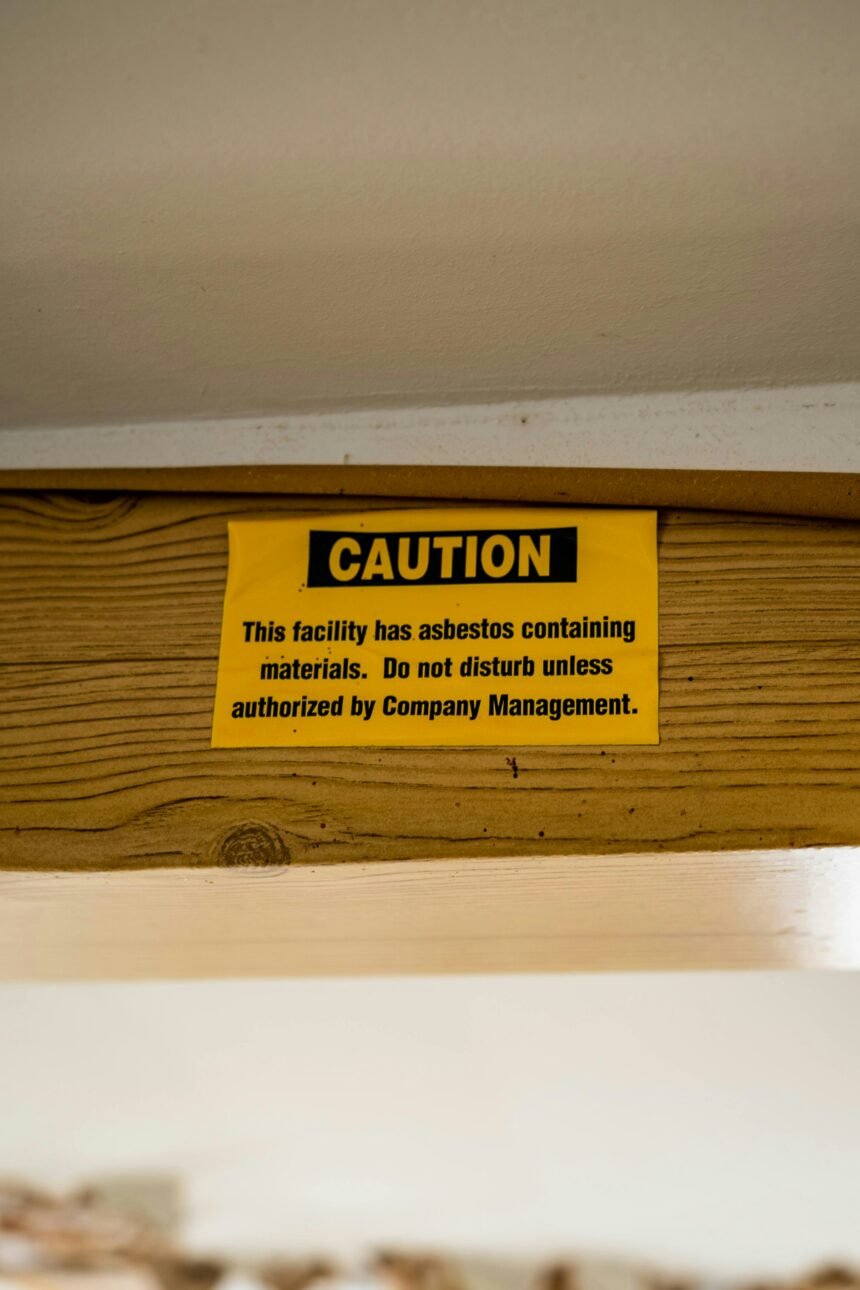
Asbestos is actually a group of naturally occurring mineral fibers that became incredibly popular throughout the 20th century. Manufacturers and builders loved it for good reason, these microscopic fibers offered remarkable heat resistance, durability, and insulation capabilities that seemed almost too good to be true. Unfortunately, they were. The construction industry, automotive manufacturers, and countless other sectors incorporated asbestos into their products without fully understanding the devastating consequences.
The Medical Connection: How Asbestos Causes Mesothelioma
Mesothelioma isn’t just rare, it’s one of the most aggressive cancers known to medicine, primarily attacking the protective lining surrounding the lungs, abdomen, or heart. This protective tissue, called the mesothelium, becomes the battlefield where asbestos wages its destructive campaign. What’s truly alarming is that approximately 80 percent of all mesothelioma cases can be directly linked back to asbestos exposure. So how exactly does this happen? When someone inhales asbestos fibers, these microscopic particles travel deep into the respiratory system and become permanently lodged in the pleural lining.
High-Risk Occupations and Exposure Scenarios
Certain professions have historically carried significantly higher risks when it comes to asbestos exposure. Construction workers, shipyard employees, automotive mechanics, firefighters, and military veterans have been among the hardest hit due to their frequent contact with asbestos-laden materials. Think about the peak years of asbestos use, roughly from the 1940s through the 1970s, when millions of workers handled products containing this hazardous substance daily, often with zero protective equipment or warnings. Industries like shipbuilding, insulation installation, demolition work, and manufacturing essentially operated with asbestos as a routine part of the job.
Recognizing Symptoms and Seeking Early Diagnosis
One of mesothelioma’s most frustrating characteristics is how easily its early symptoms can be mistaken for common, far less serious conditions. Initial warning signs, persistent cough, chest pain, shortness of breath, unexplained weight loss, and persistent fatigue, could easily be attributed to aging, stress, or minor respiratory issues. That’s exactly what makes this disease so difficult to catch early. As mesothelioma advances, symptoms typically become more pronounced and severe, including difficulty swallowing, swelling in the face and arms, night sweats that drench the sheets, and fluid accumulation around the lungs or abdomen. The decades-long gap between asbestos exposure and symptom onset means many patients don’t receive their diagnosis until the disease has already reached advanced stages, when treatment becomes significantly more challenging. Anyone who’s ever worked around asbestos or lived in environments where exposure was possible should make their healthcare provider aware of this history. Regular screening examinations can be genuinely life-saving. Modern diagnostic tools, including advanced imaging scans, specialized blood tests, and tissue biopsies, enable medical professionals to accurately identify mesothelioma and differentiate it from other conditions with similar symptoms. When dealing with potential asbestos-related health concerns, patients and their families can benefit from accessing mesothelioma resources that provide comprehensive information about diagnosis, treatment options, and support services.
Treatment Options and Medical Advancements
While mesothelioma remains an incredibly difficult disease to treat, there’s actually reason for cautious optimism, medical advancements in recent years have genuinely improved both patient outcomes and quality of life. Today’s standard treatment approach typically involves what doctors call a multimodal strategy, combining surgery, chemotherapy, and radiation therapy in ways specifically tailored to each patient’s particular type and stage of mesothelioma. Surgical interventions range widely in scope and intent. Some procedures focus purely on palliative care, designed to relieve painful symptoms and improve breathing, while others take a more aggressive approach, attempting to remove as much cancerous tissue as surgically feasible.
Legal Rights and Compensation for Victims
Here’s something every mesothelioma patient should know: there are important legal rights and potential compensation available for those suffering from asbestos-related illness. This isn’t about frivolous lawsuits, it’s about accountability. Many companies that manufactured, distributed, or routinely used asbestos-containing products were actually aware of the health risks long before the general public, yet they failed to adequately warn workers or implement proper safety measures. That’s not just negligent, it’s unconscionable.
Conclusion
The connection between asbestos exposure and mesothelioma development stands as one of the most significant public health tragedies in modern history. Despite increased awareness, stricter regulations, and dramatically reduced asbestos use compared to decades past, thousands of people continue receiving devastating diagnoses each year due to exposures that occurred 30, 40, or even 50 years ago. Understanding this connection isn’t just academic, it genuinely empowers individuals with histories of asbestos exposure to monitor their health proactively and seek medical attention at the first sign of concerning symptoms. The medical community continues pushing forward with research into better treatments and earlier detection methods.