Public transit systems are evolving faster than ever. With growing urban populations and rising expectations for faster, more reliable service, agencies and operators need innovative solutions that help them plan, schedule, and optimize service. At the heart of this transformation is bold and advanced software that powers smarter decision‑making and resource efficiency.
What is Transportation Software and Why It Matters
Transportation software refers to digital platforms and applications that enable transit agencies to manage routes, schedules, operations, and rider experience more intelligently. It includes tools for data analytics, scenario planning, real‑time tracking, and performance monitoring. These technologies help optimize resources while improving service reliability and passenger satisfaction. Modern systems integrate artificial intelligence and machine learning to automate route planning and adapt to demand changes quickly.
Enhancing Planning and Scheduling with Advanced Tools
Effective transit planning goes beyond mapping routes on a spreadsheet. Today’s software platforms, like cloud‑based solutions, allow planners to visualize entire networks, test multiple scenarios, and make data‑driven decisions in minutes. These tools allow agencies to balance efficiency with service quality by evaluating trade‑offs between frequency, coverage, and cost.
By leveraging capabilities such as predictive runtimes and demand forecasting, transit planners can build schedules that minimize delays and maximize on‑time performance. This leads to better resource allocation and more dependable service for riders.
Key Benefits of Smart Transit SoftwareOperational Efficiency and Cost Savings
Using sophisticated optimization algorithms, transit agencies can reduce operational inefficiencies. This includes improved crew scheduling, optimized vehicle deployment, and reduced idle time. These improvements collectively lower costs without compromising service quality.
Improved Passenger Experience
Real‑time data and analytics empower transit systems to deliver accurate arrival information, better connection timing, and smoother travel experiences for riders. This transparency increases trust and ridership.
Agility Through Scenario Planning
Transportation software enables planners to create and evaluate multiple operational scenarios quickly. Whether preparing for peak demand periods or adapting to route changes, this flexibility boosts responsiveness and long‑term planning confidence.
Data‑Driven Decision Making
Deep analytics can reveal underlying patterns in performance data, such as on‑time percentages across specific routes and time periods. These insights guide strategic adjustments that directly improve network reliability.
How Agencies Are Leveraging Modern Platforms
Leading transit agencies around the world are adopting next‑generation platforms to unify all aspects of service management. These systems combine planning, scheduling, rostering, depot operations, and passenger communications in one place, making life easier for both operations teams and commuters.
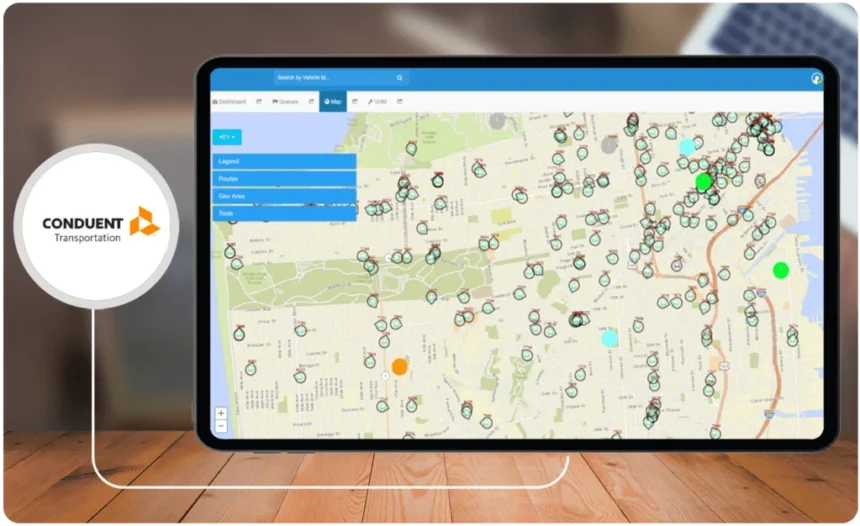
For example, the platform offered by transportation software provides end‑to‑end capabilities for public transit agencies. From strategic network planning to real‑time operations, this system empowers planners to respond to complex urban mobility demands efficiently.
Integrating Real‑Time Technology and Predictive Features
The most advanced transportation systems now incorporate real‑time tracking, GPS data, and predictive analytics to further enhance operations. By understanding where vehicles are at any given moment and forecasting future conditions, agencies can tailor services to meet demand as it unfolds.
These integrated technologies also support dynamic adjustments to timetables and dispatching, which reduces passenger wait times and improves overall service reliability.
Future Trends in Public Transit Software
The future of public transit is data‑driven and highly automated. Artificial intelligence continues to play a bigger role, enabling platforms to handle complex tasks such as demand prediction, dynamic routing, and automated scheduling at scale. The result is a smarter, more resilient transit network capable of responding to changing urban mobility needs.
Conclusion
In an era where urban transportation systems face pressure to deliver higher efficiency and better service, transportation software is a strategic investment. By harnessing the power of advanced data analytics, AI, and cloud‑native optimization tools, transit agencies can unlock smarter planning, streamlined operations, and improved passenger experiences. Upgrading to modern digital platforms is no longer optional for ambitious transit organizations. It is a necessity for building the future of public mobility.