Water damage is one of the most expensive and disruptive problems a homeowner can face. A small leak behind a wall can quietly cause structural damage, mold growth, and thousands of dollars in repairs before anyone even realizes there’s an issue.
That’s why more homeowners are turning to smart water leak detection systems.
But what are the real benefits? Is this just another “smart home” gadget, or is it something that truly protects your property?
The short answer: a smart water leak detection system can dramatically reduce the risk of catastrophic water damage, lower insurance claims, and give homeowners real-time control over their plumbing system.
Let’s break down exactly how—and why—it matters.
What Is a Smart Water Leak Detection System?
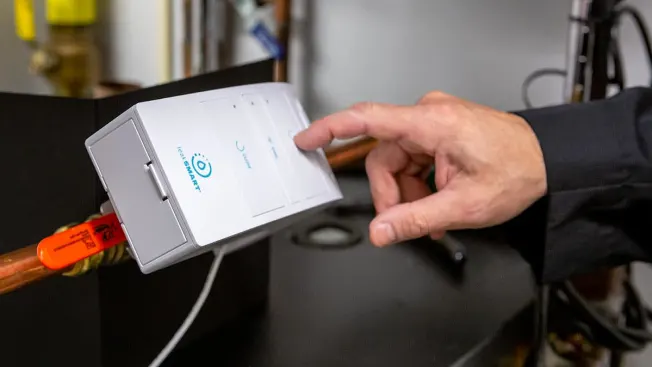
A smart water leak detection system is a device—or combination of devices—that monitors water flow within a home and alerts you to abnormal usage or active leaks.
Most systems include:
- A flow-monitoring device installed on the main water line
- Wireless sensors placed near appliances or vulnerable areas
- A smartphone app for real-time alerts
- An automatic shutoff valve that stops water flow when a leak is detected
Unlike traditional leak alarms that only beep when water reaches them, smart systems actively monitor flow patterns and can shut off the water supply automatically—even when you’re not home.
Why Water Damage Is Such a Big Risk
Water damage isn’t always dramatic. In fact, the most expensive damage often comes from slow, hidden leaks.
Common causes include:
- Failed water heater tanks
- Burst supply lines under sinks
- Washing machine hose failures
- Slab leaks
- Toilet supply line bursts
- Ice maker line cracks
- Frozen pipe ruptures in cold climates
According to industry data, water damage and freezing account for a significant percentage of homeowner insurance claims each year. Many of these claims involve tens of thousands of dollars in repairs.
The real problem? Most homeowners don’t find out about a leak until visible damage appears.
A smart system changes that equation.
1. Early Leak Detection Prevents Major Damage
The most obvious benefit is early detection.
Smart systems monitor your home’s water flow continuously. If water is running longer than expected—or if flow patterns don’t match normal usage—the system sends an alert.
For example:
- Continuous flow for 45 minutes at 2 a.m.
- Unusual water usage while you’re on vacation
- Small but steady water movement consistent with a pinhole leak
Catching these issues early can prevent:
- Rotting wood framing
- Mold growth
- Damaged drywall
- Floor replacement
- Cabinet replacement
The sooner a leak is stopped, the less damage it causes. It’s that simple.
2. Automatic Water Shutoff Minimizes Catastrophic Loss
One of the most powerful features of a smart water leak detection system is automatic shutoff.
If the system detects a significant leak, it can:
- Close the main water valve
- Stop active flooding
- Send a notification to your phone
Without this feature, a burst pipe can flood a home for hours before someone discovers it.
With automatic shutoff, the water flow can stop in minutes—or even seconds—dramatically reducing the scope of damage.
For homeowners who travel frequently or own vacation properties, this benefit alone can justify the investment.
3. Real-Time Monitoring From Anywhere
Modern leak detection systems connect to smartphone apps that allow you to:
- View real-time water usage
- Receive push notifications
- Shut off water remotely
- Monitor multiple properties
- Track usage trends
This gives homeowners visibility they’ve never had before.
If you’re at work and receive a leak alert, you can immediately check the system. If you’re on vacation and see unexpected usage, you can remotely shut off the water before damage escalates.
It’s not just about alerts—it’s about control.
4. Reduced Insurance Risk and Potential Discounts
Insurance companies have recognized the financial impact of water damage claims.
As a result, many insurers:
- Offer discounts for homes with automatic shutoff systems
- Encourage installation of smart leak detection
- View these systems as risk-reduction devices
While discounts vary by provider, installing a smart water leak detection system may reduce your long-term insurance costs.
Even if discounts are modest, avoiding one major water claim can preserve your claims history and prevent premium increases.
5. Detection of Hidden and Slow Leaks
Not all leaks are dramatic bursts. Some are subtle and persistent.
Examples include:
- Slab leaks beneath concrete foundations
- Slow toilet flapper leaks
- Underground irrigation leaks
- Pinholes in copper pipes
- Dripping fittings inside walls
Traditional leak alarms often miss these because they only activate when water physically touches the sensor.
Flow-based smart systems can detect abnormal continuous water movement—even when the leak is hidden.
That means you may identify issues months before visible damage appears.
6. Protection for High-Risk Appliances
Certain appliances are common sources of water damage:
- Washing machines
- Dishwashers
- Refrigerators with ice makers
- Water heaters
- Reverse osmosis systems
Smart leak detection systems can integrate with point-of-use sensors placed beneath these appliances.
If water is detected at the source, the system can trigger an alert—or shut off the entire house supply.
This layered protection is particularly valuable in finished basements or upper-floor laundry rooms.
7. Increased Home Value and Buyer Appeal
Smart home technology continues to grow in popularity.
Features like:
- Smart thermostats
- Security systems
- Video doorbells
- Leak detection systems
are increasingly viewed as value-added upgrades.
A home equipped with a smart water leak detection system signals proactive maintenance and risk management.
For buyers concerned about hidden plumbing issues, this feature can provide reassurance.
While it may not drastically increase resale value, it can strengthen buyer confidence and differentiate your home in competitive markets.
8. Water Conservation and Usage Insights
Beyond leak protection, many smart systems provide detailed water usage analytics.
Homeowners can see:
- Daily water consumption
- Appliance usage patterns
- Irrigation timing
- Long-term usage trends
This data can help identify inefficiencies and promote water conservation.
For example:
- A constantly running toilet may be discovered quickly.
- Excess irrigation usage can be corrected.
- Seasonal consumption spikes can be evaluated.
Over time, these insights may reduce water bills.
9. Peace of Mind for Frequent Travelers
For homeowners who travel often, water damage is a major concern.
Returning home to discover days of flooding can be devastating.
A smart water leak detection system provides:
- Real-time alerts while away
- Remote shutoff capability
- Continuous monitoring
This level of protection is especially valuable for:
- Vacation homes
- Rental properties
- Snowbird residences
- Second homes
Instead of worrying about the unknown, homeowners gain continuous visibility.
10. Integration With Smart Home Ecosystems
Many leak detection systems integrate with broader smart home platforms.
This allows coordination with:
- Security systems
- HVAC systems
- Home automation routines
For example, a detected leak might trigger:
- A push notification
- Interior lights to activate
- A smart home alert
- Integration with a monitoring service
This connectivity increases the overall resilience of the home.
Are There Any Limitations?
Like any technology, smart water leak detection systems are not perfect.
Potential limitations include:
- Upfront installation cost
- Need for professional installation on the main line
- Dependence on Wi-Fi for alerts
- Occasional false alerts in highly variable usage homes
However, when installed properly and calibrated correctly, these systems are generally reliable.
The key is understanding that no system replaces routine plumbing maintenance—it enhances it.
Who Should Consider Installing One?
A smart water leak detection system is especially beneficial for:
- Homes with older plumbing
- Properties with finished basements
- Homes with second-floor laundry rooms
- Households with aging water heaters
- Frequent travelers
- High-value properties
It is also worth considering in regions prone to freezing temperatures, where burst pipes are common during winter months.
The Bigger Picture: Risk vs. Cost
When evaluating whether to install a smart water leak detection system, it helps to think in terms of risk management.
The cost of installation is typically far lower than:
- Replacing hardwood flooring
- Remediating mold
- Rebuilding damaged cabinetry
- Repairing drywall and insulation
- Filing and managing insurance claims
Even one prevented incident can justify the investment.
More importantly, it transforms water from a hidden risk into a monitored system.
Final Thoughts
Installing a smart water leak detection system is less about convenience and more about protection.
Water damage can happen silently, quickly, and expensively. Traditional plumbing systems offer no warning until the damage is visible.
Smart systems change that dynamic.
They provide early detection, automatic shutoff, remote monitoring, and actionable data—turning your plumbing system into something you can actually see and control.
In a world where homes are becoming smarter and risks more costly, protecting against water damage is no longer just a reactive decision—it’s a proactive one.